
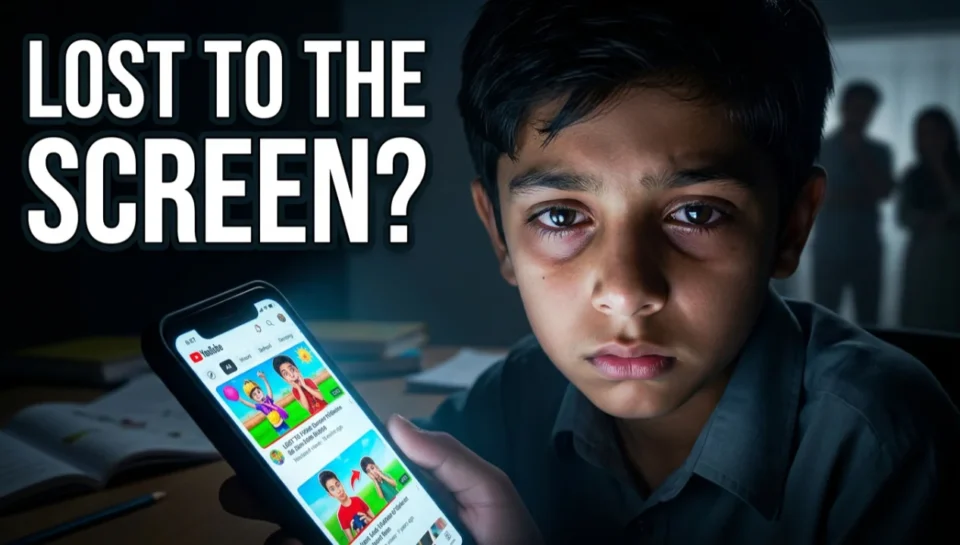
Children today are growing up in a world where screens are part of everyday life. While YouTube offers educational videos, entertainment, and creative content, excessive use can become a serious problem. In this guide, you’ll learn how to identify the signs of YouTube addiction in children, understand its impact on mental health and development, and discover when professional help from a rehab center Islamabad may be necessary.
Many parents believe their child is simply enjoying videos or relaxing after school. However, when YouTube begins affecting sleep, education, behavior, and relationships, it may indicate a deeper issue that requires attention.
Understanding YouTube Addiction in Children
YouTube addiction is a form of behavioral addiction where a child becomes excessively dependent on watching videos and struggles to control their viewing habits.
Unlike drug or alcohol addiction, behavioral addictions do not involve substances. Instead, they involve activities that repeatedly stimulate the brain’s reward system.
Every new video provides entertainment, excitement, or emotional satisfaction. Over time, children may develop a strong urge to keep watching, even when it negatively affects other areas of life.
Mental health professionals have increasingly recognized excessive screen use as a growing concern for children and teenagers worldwide.
Why YouTube Is So Addictive
YouTube is designed to keep users engaged for as long as possible.
Several platform features contribute to excessive viewing:
- Personalized recommendations
- Autoplay videos
- Endless content availability
- Short-form videos
- Instant gratification
- Constant novelty
Children are particularly vulnerable because their brains are still developing self-control and decision-making abilities.
What starts as watching one video can quickly turn into hours of continuous viewing.
Why Parents Often Miss the Warning Signs
Many parents assume excessive YouTube use is simply a modern childhood habit.
Unlike substance addiction, behavioral addictions can be difficult to identify because children are not using illegal drugs or engaging in obviously dangerous activities.
In many households, screen use has become normal.
As a result, warning signs may go unnoticed until they begin affecting academic performance, social relationships, and emotional health.
Signs Your Child Has Lost Control
Recognizing the early signs of YouTube addiction can help prevent long-term consequences.
1. Your Child Thinks About YouTube Constantly
Children struggling with addiction often think about videos even when they are not watching them.
You may notice:
- Constant discussions about YouTubers
- Obsession with upcoming videos
- Difficulty focusing on other activities
- Frequent requests for screen time
YouTube becomes the primary focus of their attention.
2. Extreme Reactions When Devices Are Taken Away
A child may feel disappointed when screen time ends.
However, addiction often produces stronger emotional reactions.
Warning signs include:
- Tantrums
- Anger
- Crying
- Aggressive behavior
- Emotional outbursts
These reactions suggest a deeper dependence on digital stimulation.
3. Declining School Performance
One of the most common signs of YouTube addiction is a decline in academic performance.
Children may:
- Ignore homework
- Lose interest in studying
- Perform poorly on tests
- Struggle with concentration
Teachers often notice these changes before parents do.
4. Sleep Problems
Many children stay awake late watching videos.
Excessive screen use before bedtime can disrupt sleep patterns and reduce sleep quality.
Signs include:
- Difficulty falling asleep
- Fatigue during the day
- Irritability
- Trouble waking up for school
Poor sleep can affect both mental and physical health.
5. Loss of Interest in Hobbies
Children who once enjoyed sports, reading, art, or outdoor activities may gradually abandon these interests.
Instead, they prefer spending nearly all their free time watching videos.
This imbalance can affect social development and creativity.
6. Social Withdrawal
Excessive YouTube use may reduce face-to-face interactions.
Children may begin avoiding:
- Family gatherings
- Friends
- Sports activities
- Community events
Over time, this isolation can impact emotional well-being.
7. Loss of Time Awareness
Many addicted children underestimate how long they spend online.
A child may intend to watch one video but continue watching for several hours without realizing it.
This inability to self-regulate is a common warning sign.
The Impact of YouTube Addiction on Mental Health
Mental health professionals are increasingly concerned about excessive screen use among children.
Anxiety
Constant stimulation can make it difficult for children to relax without screens.
Some children become anxious when they cannot access YouTube.
Depression
Excessive screen use may contribute to feelings of loneliness and emotional disconnection.
Children who spend less time interacting with family and friends may become socially isolated.
Reduced Attention Span
Fast-paced online content can make it harder for children to focus on slower activities such as reading or studying.
Many parents report increased attention difficulties after prolonged screen exposure.
Emotional Instability
Children addicted to YouTube often experience:
- Mood swings
- Irritability
- Frustration
- Emotional sensitivity
These symptoms may worsen when screen access is restricted.
Physical Health Consequences
The effects of YouTube addiction extend beyond mental health.
Eye Strain and Headaches
Long periods of screen exposure can cause:
- Dry eyes
- Blurred vision
- Headaches
- Eye fatigue
Reduced Physical Activity
Many children spend hours sitting while watching videos.
This can contribute to:
- Weight gain
- Reduced fitness
- Poor posture
- Lower energy levels
Neck and Back Problems
Extended device use often leads to poor posture.
Over time, children may develop:
- Neck pain
- Shoulder tension
- Back discomfort
Why Some Children Are More Vulnerable
Not every child develops an unhealthy relationship with YouTube.
Several factors increase risk.
Lack of Supervision
Children with unrestricted access to devices are more likely to develop excessive viewing habits.
Emotional Challenges
Children experiencing stress, anxiety, or loneliness may use YouTube as an escape.
Limited Alternative Activities
When children have few hobbies or opportunities for recreation, screens often become their primary source of entertainment.
Family Screen Habits
Children learn from observing adults.
Parents who spend excessive time on devices may unintentionally encourage similar behavior.
The Role of Parents in Prevention
Parents play a crucial role in managing healthy screen habits.
Set Clear Boundaries
Establish rules regarding:
- Daily screen time
- Device-free meals
- Bedtime screen restrictions
Consistency is important.
Encourage Physical Activity
Sports and outdoor activities help children maintain balance.
Examples include:
- Football
- Cycling
- Swimming
- Walking
- Family outings
Promote Offline Hobbies
Encourage activities such as:
- Reading
- Drawing
- Music
- Craft projects
- Board games
These alternatives reduce dependence on screens.
Create Screen-Free Zones
Consider keeping devices out of:
- Bedrooms
- Dining areas
- Family gatherings
This encourages healthier habits.
When Professional Help Is Needed
Sometimes parental efforts alone are not enough.
Professional support may be necessary when:
- Academic performance continues declining
- Family conflict becomes severe
- Screen use dominates daily life
- Emotional problems worsen
- Previous attempts to reduce usage fail
In such situations, a qualified psychiatric treatment centre can evaluate the child’s emotional and behavioral needs.
How an Addiction Treatment Centre Can Help
Many families are surprised to learn that behavioral addictions can benefit from professional treatment.
An experienced addiction treatment centre may provide:
- Behavioral assessments
- Individual counseling
- Family therapy
- Cognitive behavioral therapy
- Emotional regulation training
- Digital addiction treatment plans
The goal is not to eliminate technology completely but to create a healthy relationship with it.
Why Families Choose the Best Rehab Center in Islamabad
Parents searching for help often look for the best rehab center in Islamabad because they want professional guidance and evidence-based treatment.
A quality rehab center Islamabad can help children:
- Develop healthier habits
- Improve emotional regulation
- Rebuild academic focus
- Strengthen family relationships
- Reduce excessive screen dependence
Early intervention often leads to better outcomes.
Choosing the Right Rehabilitation Center Islamabad
Selecting the right facility is important.
Look for a rehabilitation center Islamabad that offers:
- Child-focused counseling
- Mental health services
- Family involvement
- Behavioral addiction treatment
- Long-term support
Families in the twin cities may also explore a reputable rehabilitation centre in Rawalpindi if specialized services are available.
Facilities such as Hayat Rehab Clinic and Hayat Rehab Center are recognized for providing comprehensive addiction and mental health support tailored to individual needs.
A Real-Life Example
Consider a 13-year-old boy who begins watching YouTube after school.
Initially, he spends an hour each day online.
Within months, screen time increases to five or six hours daily.
His grades begin falling.
He stops playing cricket with friends.
He becomes irritable whenever his parents limit device use.
After receiving counseling and structured support, he gradually reduces screen time, improves his academic performance, and reconnects with family and friends.
This scenario is becoming increasingly common in households throughout Pakistan and around the world.
Building Healthy Digital Habits
Technology itself is not the enemy.
The goal is balanced use.
Parents can encourage healthy habits by:
- Maintaining consistent rules
- Spending quality family time together
- Monitoring content consumption
- Encouraging outdoor activities
- Discussing online experiences openly
Small changes can make a significant difference.
Conclusion
YouTube addiction in children is a growing challenge that many families underestimate. What begins as harmless entertainment can gradually affect sleep, education, emotional health, and social development. Recognizing the warning signs early allows parents to intervene before the problem becomes severe.
If your child shows signs of excessive screen dependence, Contact best rehab center in Islamabad, a trusted rehab center Islamabad, a professional psychiatric treatment centre, or an experienced addiction treatment centre can help restore healthy habits. Facilities such as Hayat Rehab Clinic, Hayat Rehab Center, and other reputable rehabilitation providers offer guidance, counseling, and family support to help children build a healthier relationship with technology.
Key Takeaways
- YouTube addiction is a form of behavioral addiction.
- Warning signs include tantrums, declining grades, and social withdrawal.
- Excessive screen use can affect mental and physical health.
- Parents should establish clear boundaries and encourage offline activities.
- Early intervention improves recovery outcomes.
- Professional help may be needed in severe cases.
- The best rehab in Islamabad can provide structured support for behavioral addictions and related mental health concerns.