
Introduction
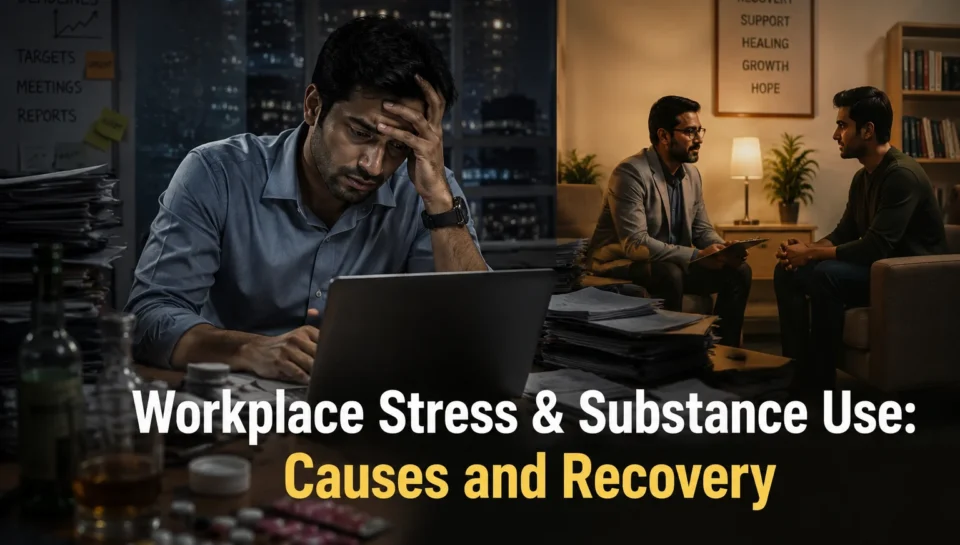
In today’s fast-paced corporate environment, workplace stress has become a growing concern in Pakistan. Long working hours, job insecurity, financial pressure, and poor work-life balance are pushing many professionals toward unhealthy coping strategies, including substance use.
If left unaddressed, this cycle can lead to addiction, mental health disorders, and long-term burnout. Understanding the connection between workplace stress and substance use is an important first step toward healthier coping and recovery.
Rising Workplace Stress in Pakistan
Professionals across industries such as corporate offices, IT, banking, healthcare, and sales are experiencing increasing stress due to:
- Long working hours and tight deadlines
- High competition and job insecurity
- Financial pressure and rising inflation
- Limited awareness of mental health at workplaces
- Cultural stigma around seeking psychological help
Over time, unmanaged stress can contribute to anxiety, depression, and emotional exhaustion.
How Workplace Stress Leads to Substance Use
Many individuals use substances as a temporary escape from pressure. Common patterns include:
- Alcohol use to relax after work
- Misuse of prescription medication for sleep or anxiety
- Drug use to manage burnout or increase focus
- Nicotine dependence during high-stress routines
Although these may provide short-term relief, they often worsen mental health and increase the risk of dependency.
Warning Signs of Stress-Related Substance Use
Early recognition can help prevent long-term addiction. Warning signs include:
- Persistent fatigue or insomnia
- Irritability, mood swings, or social withdrawal
- Declining work performance
- Increased reliance on alcohol or drugs after work
- Anxiety, panic attacks, or depressive symptoms
If these symptoms persist, professional help from an addiction treatment centre or psychiatric treatment centre is strongly recommended.
Healthy Coping Mechanisms for Professionals
Replacing unhealthy habits with positive strategies is essential for recovery and prevention.
Stress Management Techniques
- Mindfulness and breathing exercises
- Regular physical activity such as walking or yoga
- Structured daily routines
Mental Health Support
- Individual counseling or therapy
- Cognitive Behavioral Therapy (CBT)
- Psychiatric evaluation when needed
Work-Life Balance
- Setting clear boundaries at work
- Taking regular breaks and time off
- Limiting after-hours work communication
These strategies are most effective when supported by professional care at a rehabilitation centre.
When to Seek Professional Rehab Support
When substance use becomes habitual, self-management may not be enough. Professional rehabilitation provides:
- Medically supervised detox (if required)
- Integrated mental health and addiction treatment
- Confidential and structured recovery programs
- Long-term relapse prevention planning
A drug rehab centre or alcohol treatment centre ensures safe, personalized, and structured care, especially for working professionals.
Professional Recovery Is Possible
Choosing the right rehabilitation centre can make a life-changing difference. A trusted best rehab centre in Islamabad offers:
- Integrated addiction and psychiatric care
- Confidential programs for professionals
- Holistic recovery focused on long-term stability
Recovery does not mean ending a career; it means rebuilding it with clarity, balance, and resilience.
Conclusion
Workplace stress is unavoidable, but substance dependency is not. With early intervention, healthy coping strategies, and professional support from a reputable rehab centre, professionals in Pakistan can regain control of their mental health and careers.
Seeking help is not a weakness; it is a responsible step toward long-term success and well-being.