Introduction
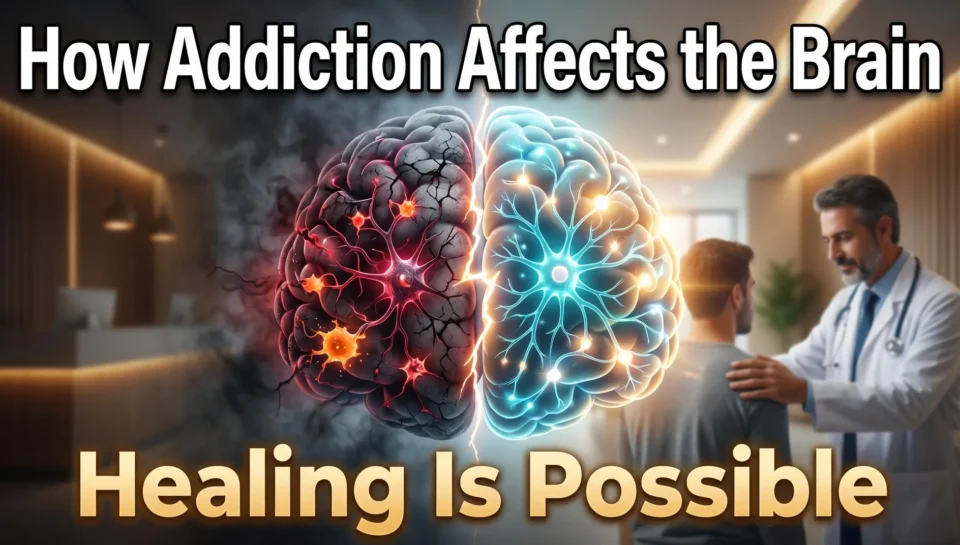
Addiction is often misunderstood as a lack of willpower or self-control. However, scientific research shows that addiction is a complex brain disorder that changes the way a person thinks, feels, and behaves.
Whether it involves substances such as drugs and alcohol or behavioral addictions like gambling or digital dependency, addiction directly affects the brain’s reward system. Understanding these changes helps us recognize addiction as a medical condition that can be treated with proper care at a rehabilitation centre in Islamabad or a drug rehab centre.
How Addiction Works in the Brain
Addiction develops through changes in brain chemistry, reward pathways, and learned behavior patterns.
1. The Reward System and Dopamine
The brain releases dopamine, a chemical linked to pleasure and motivation, when we experience natural rewards such as food, relationships, or achievements.
Addictive substances or behaviors cause an excessive dopamine release, leading to:
- Intense feelings of pleasure or “high”
- Reinforced desire to repeat the behavior
- Strong cravings over time
Eventually, the brain becomes less responsive to dopamine, meaning larger amounts of the substance or behavior are needed to achieve the same effect.
2. Impact on the Prefrontal Cortex
The prefrontal cortex is responsible for decision-making, judgment, and impulse control. Addiction weakens its function, leading to:
- Reduced self-control
- Increased risky behavior
- Strong cravings that override logical thinking
This explains why individuals may continue harmful behavior even when they understand the consequences.
3. Habit Formation in the Brain
Repeated substance use strengthens the basal ganglia, the part of the brain responsible for habits.
Over time, addiction becomes automatic and may involve:
- Using substances in response to stress
- Engaging in addictive behaviors at specific times or places
- Compulsive patterns such as gambling, gaming, or scrolling
At this stage, addiction shifts from choice-based behavior to a compulsive need.
4. Role of the Amygdala (Stress System)
The amygdala controls emotions and stress responses. In addiction, it becomes overactive, leading to:
- Anxiety and irritability
- Strong emotional triggers
- Withdrawal symptoms
- Emotional dependence on substances or behaviors
This reinforces the cycle of addiction as individuals rely on substances to manage emotional distress.
Why Addiction Is a Chronic Brain Disorder
Because addiction physically changes brain structure and function, it is classified as a chronic, relapsing medical condition—similar to diabetes or hypertension.
Relapse does not mean failure. It indicates that treatment plans or support systems may need adjustment at a psychiatric treatment centre or addiction treatment centre.
Can the Brain Heal from Addiction?
Yes. The brain can recover through a process called neuroplasticity, which allows it to form new, healthy connections.
Evidence-Based Treatment Approaches
1. Behavioral Therapy
- Cognitive Behavioral Therapy (CBT)
- Motivational Interviewing
- Mindfulness-based therapy
These therapies help individuals change thought patterns and manage triggers effectively.
2. Medication-Assisted Treatment (MAT)
In cases such as opioid or alcohol addiction, medications may be used to reduce cravings and stabilize brain chemistry under medical supervision at a drug rehab centre or alcohol treatment centre.
3. Lifestyle and Recovery Support
Healthy habits play a key role in brain recovery:
- Regular physical exercise
- Counseling and support groups
- Stress management techniques
- Positive social connections
These practices help restore the brain’s natural reward system.
Conclusion
Addiction is not a moral weakness or lack of discipline—it is a scientifically recognized brain disorder. It changes brain function, but recovery is possible with the right treatment, support, and understanding.
With professional care at a rehabilitation centre in Rawalpindi or a rehab centre in Islamabad, individuals can rebuild their lives through evidence-based treatment and long-term support.
Recovery is not only possible it is achievable with the right help.
Contact for Confidential Support
Call Now: +92 340 1531 371
Visit: HRCI Clinic