
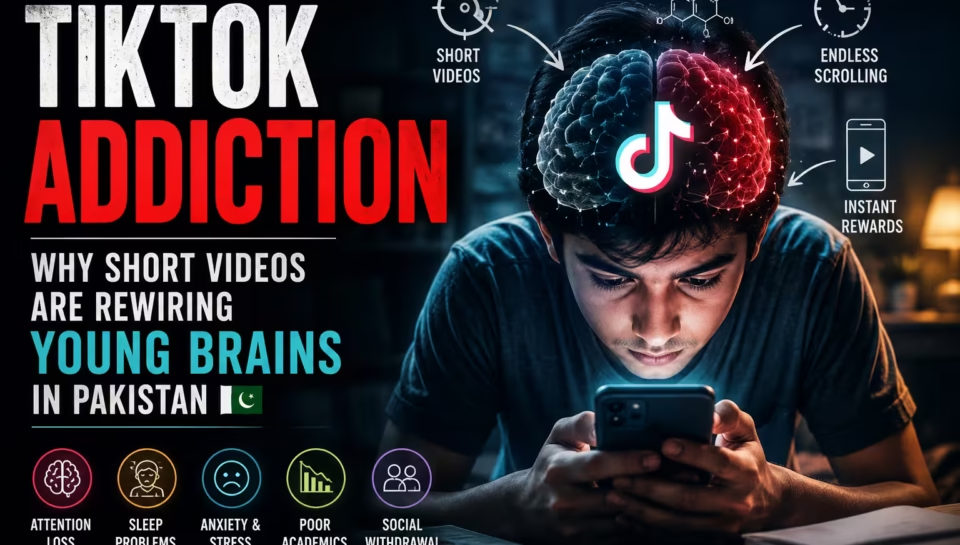
TikTok Addiction: Why Short Videos Are Rewiring Young Brains in Pakistan
TikTok has become one of the most popular social media platforms among children, teenagers, and young adults in Pakistan. While short videos can be entertaining and educational, excessive use may affect attention, sleep, academic performance, and mental health. In this article, you’ll learn how TikTok addiction develops, why short-form content is so addictive, its impact on young brains, warning signs to watch for, and practical ways parents and individuals can build healthier digital habits.
Many parents worry when their children spend hours scrolling through endless videos. Although enjoying social media is normal, spending excessive time on TikTok can interfere with daily life, relationships, and emotional well-being. Recognizing the difference between healthy use and problematic use is the first step toward preventing long-term consequences. Contact Best Rehab Centre in Islamabad
What Is TikTok Addiction?
TikTok addiction is a pattern of excessive or compulsive use of the TikTok app that becomes difficult to control despite negative effects on daily life.
While “TikTok addiction” is not a formal medical diagnosis, mental health professionals often discuss it as a form of problematic social media use or behavioral addiction.
A person may continue scrolling even when they know they should be studying, sleeping, working, or spending time with family.
Why Are Short Videos So Addictive?
TikTok is designed to keep users engaged for as long as possible.
The platform uses personalized recommendations to show videos based on what users watch, like, comment on, or share.
Every swipe brings something new.
This unpredictability keeps the brain curious and encourages users to keep scrolling.
The Brain’s Reward System
When someone watches entertaining or emotionally engaging content, the brain releases dopamine, a chemical involved in motivation and reward.
Because every video is different, the brain continues anticipating the next interesting clip.
This creates a habit loop:
- Open TikTok
- Watch a short video
- Experience temporary enjoyment
- Swipe for another video
- Repeat the cycle
Over time, this habit can become increasingly automatic.
Why Young People in Pakistan Are Especially Vulnerable
Pakistan has seen rapid growth in smartphone ownership and affordable internet access.
Children and teenagers often receive their first smartphone at a younger age than previous generations.
Several factors may contribute to excessive TikTok use:
- Easy access to smartphones
- Affordable mobile internet packages
- Peer influence
- Online trends and challenges
- Academic stress
- Boredom
- Lack of outdoor activities
- Limited parental supervision
- Desire for online popularity
For many teenagers, TikTok is not only entertainment but also a way to socialize and express creativity.
How TikTok Affects the Developing Brain
The brain continues developing into the mid-twenties.
During adolescence, areas responsible for attention, decision-making, impulse control, and emotional regulation are still maturing.
Frequent exposure to rapid, highly stimulating content may make it more difficult for some young people to stay focused on slower activities.
These may include:
- Reading books
- Completing homework
- Classroom learning
- Long conversations
- Studying for exams
Research continues to explore how long-term exposure to short-form digital media affects attention and learning, but many experts recommend balanced screen habits rather than excessive use.
Warning Signs of TikTok Addiction
Occasional binge-watching does not necessarily mean addiction.
However, repeated behaviors that interfere with daily life may be warning signs.
Possible signs include:
- Spending several hours on TikTok every day
- Losing track of time while scrolling
- Ignoring school or work responsibilities
- Reduced academic performance
- Staying awake late to watch videos
- Feeling restless without the app
- Constantly checking notifications
- Losing interest in hobbies
- Arguing with family about screen time
- Unsuccessful attempts to reduce use
The more these behaviors interfere with daily functioning, the more important it becomes to seek support.
Effects on Mental Health
Excessive TikTok use may affect emotional well-being in different ways.
Some users may experience:
- Anxiety
- Low mood
- Irritability
- Fear of missing out (FOMO)
- Poor self-esteem
- Social comparison
- Loneliness
Not everyone who uses TikTok will develop these problems.
However, spending many hours comparing oneself to idealized online content may affect confidence and emotional health.
Sleep Problems and Fatigue
Many teenagers use TikTok late at night.
Bright screens and continuous scrolling may delay bedtime.
Poor sleep can affect:
- Memory
- Learning
- Mood
- Concentration
- Physical health
- School performance
Parents should encourage device-free time before bedtime to support healthy sleep.
Academic Performance
Students who spend several hours each day on social media may find it harder to complete assignments.
Common problems include:
- Procrastination
- Reduced concentration
- Missed deadlines
- Lower grades
- Difficulty remembering information
Creating structured study schedules and limiting phone distractions during homework can improve focus.
Social Relationships
Ironically, spending more time online can sometimes reduce meaningful face-to-face communication.
Young people may:
- Spend less time with family
- Avoid outdoor activities
- Withdraw from friends
- Prefer online interactions over real conversations
Healthy friendships should include both online and offline connections.
Physical Health Effects
Long periods of screen use can also affect physical health.
Possible problems include:
- Neck pain
- Eye strain
- Headaches
- Poor posture
- Reduced physical activity
- Weight gain due to inactivity
Regular movement breaks and outdoor exercise help balance screen time.
Can TikTok Become a Behavioral Addiction?
Some researchers compare problematic social media use with other behavioral addictions because both may involve cravings, compulsive behavior, and difficulty stopping.
However, not everyone who spends a lot of time on TikTok has an addiction.
A mental health professional considers how much the behavior interferes with school, work, relationships, and overall well-being before determining whether intervention is needed.
When Parents Should Be Concerned
Parents should pay attention if a child:
- Refuses to stop using TikTok
- Becomes aggressive when the phone is removed
- Stops participating in family activities
- Experiences major grade declines
- Sleeps very little
- Shows signs of anxiety or depression
- Loses interest in hobbies
- Isolates themselves from friends
Early conversations are generally more effective than waiting until the problem becomes severe.
Practical Tips to Reduce TikTok Addiction
Healthy digital habits are more effective than punishment alone.
Families can try:
- Set daily screen time limits.
- Keep phones out of bedrooms at night.
- Encourage sports and outdoor play.
- Schedule family activities without screens.
- Turn off unnecessary notifications.
- Create phone-free meal times.
- Use built-in screen time tools.
- Encourage reading and creative hobbies.
- Be a positive role model by limiting your own screen time.
Small, consistent changes are often easier to maintain than strict rules.
When Professional Help May Be Needed
Professional support may be appropriate if excessive social media use is causing serious emotional distress or interfering with daily life.
A mental health professional can assess whether anxiety, depression, attention difficulties, or another condition is contributing to the behavior.
Treatment may include:
- Psychological assessment
- Cognitive Behavioral Therapy (CBT)
- Family counseling
- Stress management
- Healthy habit planning
- Treatment for underlying mental health conditions if necessary
If excessive screen use occurs alongside substance abuse or other behavioral addictions, comprehensive care may be beneficial.
Families looking for support may consider consulting a qualified mental health professional, a Psychiatric treatment centre, Hayat Rehab Center or an Addiction treatment centre if the behavior is part of broader addiction or mental health concerns.
Helping Young People Build Healthy Digital Habits
The goal is not to eliminate technology completely.
Social media can provide entertainment, education, and creativity when used responsibly.
Healthy habits include balancing screen time with:
- Physical activity
- Face-to-face conversations
- Adequate sleep
- Schoolwork
- Family time
- Creative hobbies
Teaching children healthy digital habits early can help them develop a balanced relationship with technology.
Key Takeaways
TikTok’s endless stream of short videos is designed to capture attention and keep users engaged.
While most people can enjoy the platform responsibly, excessive use may affect attention, sleep, learning, mental health, and relationships—especially among children and teenagers.
Parents should watch for warning signs such as excessive screen time, declining grades, sleep problems, mood changes, and social withdrawal.
Healthy screen limits, open communication, positive role modeling, and balanced daily routines can reduce the risk of problematic social media use.
If excessive TikTok use is seriously affecting daily life or mental health, professional guidance from a qualified mental health professional may be helpful.
Have concerns about your child’s screen habits? Share this article with other parents, leave a comment with your questions, or explore our related mental health and addiction awareness resources for more guidance.