
Introduction
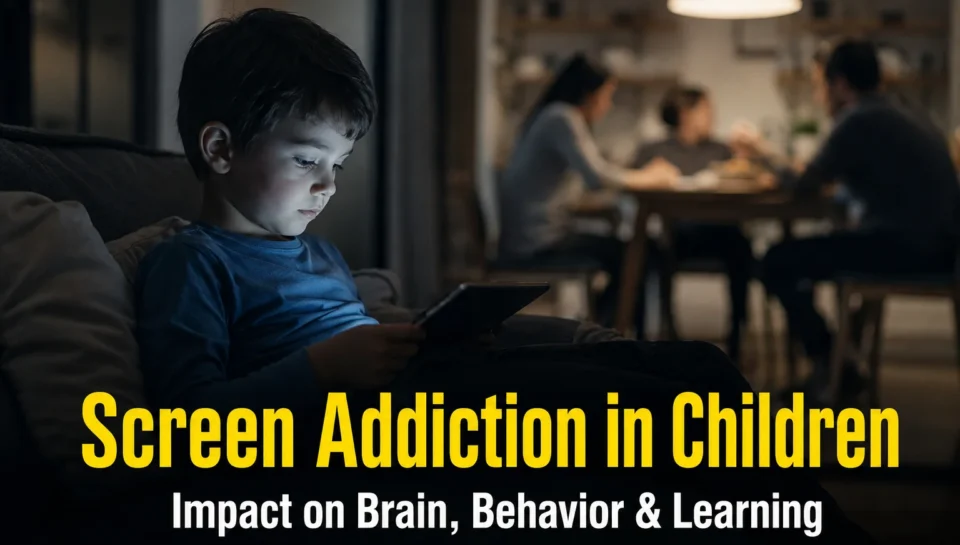
In today’s digital world, screens are everywhere. Mobile phones, tablets, laptops, and televisions have become a normal part of daily life, especially for children and teenagers. While technology offers many benefits, excessive screen time can negatively affect brain development and may contribute to smartphone addiction and internet addiction.
Understanding these effects helps parents and caregivers identify when professional support from an addiction treatment centre or rehabilitation centre may be required.
Why the Developing Brain Is More Vulnerable to Screen Addiction
A child’s brain continues developing into the mid-20s, making it highly sensitive to environmental influences. Healthy development depends on physical activity, quality sleep, social interaction, and emotional bonding.
When excessive screen use replaces these essential experiences, it can increase the risk of behavioural addiction, which may later require support from a rehab centre in Islamabad or Rawalpindi.
Impact of Excessive Screen Time on Attention and Focus
Frequent exposure to fast-paced digital content such as videos, games, and social media trains the brain to expect constant stimulation. Over time, this may lead to:
- Reduced attention span
- Difficulty concentrating on schoolwork
- Increased restlessness and impulsive behaviour
Many parents notice that children struggling with internet addiction often find it hard to focus on academic tasks.
Effect on Memory, Learning, and Academic Performance
Learning requires active engagement, while excessive screen use encourages passive consumption. This can negatively affect cognitive development, leading to:
- Reduced memory retention
- Decline in academic performance
- Delayed language development in younger children
These challenges are sometimes observed in individuals later referred to a psychiatric treatment centre or addiction rehab centre.
Emotional and Behavioural Changes Linked to Screen Addiction
Excessive screen use can also influence emotional stability and behaviour. Common effects include:
- Irritability or aggression
- Mood swings
- Anxiety and low frustration tolerance
Social media use and online gaming may expose children to cyberbullying and unrealistic comparisons, increasing the risk of mental health concerns that may require care from a psychiatric treatment centre.
Sleep Disturbance and Brain Health
Using screens before bedtime can disrupt melatonin production, a hormone that regulates sleep. Poor sleep quality can result in:
- Difficulty with memory and concentration
- Lower academic performance
- Increased stress and emotional imbalance
Sleep disturbances are often reported in individuals seeking help at a rehabilitation centre near me for screen or internet addiction.
Reduced Social and Communication Skills
Excessive screen time can limit face-to-face interaction, affecting the development of:
- Communication skills
- Emotional understanding
- Conflict-resolution abilities
In many cases, individuals receiving care at a rehab centre in Islamabad for behavioural addiction show signs of social withdrawal and difficulty maintaining relationships.
Risk of Internet and Smartphone Addiction
When screen use becomes compulsive and difficult to control, it may develop into internet or smartphone addiction. Warning signs include:
- Anxiety or anger when screens are taken away
- Loss of interest in offline activities
- Neglect of studies, family time, or personal hygiene
Cases of screen addiction among young people are increasing in Pakistan, leading many families to seek help from a rehabilitation centre in Islamabad or Rawalpindi.
What Parents Can Do to Prevent Screen Addiction
Healthy digital habits can support better brain development. Parents can:
- Set clear daily screen time limits
- Encourage outdoor play and physical activity
- Avoid screens in bedrooms, especially at night
- Promote reading, hobbies, and family interaction
- Seek early guidance from an addiction treatment centre if usage becomes difficult to control
When to Seek Professional Help
Professional support from a rehab centre in Islamabad or a rehabilitation centre in Rawalpindi should be considered if a child:
- Cannot function without screens
- Shows noticeable emotional or behavioural changes
- Experiences a decline in academic performance
- Becomes socially withdrawn or isolated
Early intervention at a qualified rehabilitation centre can help prevent long-term emotional and cognitive effects.
Final Thoughts
Technology itself is not harmful, but imbalance can create serious challenges. When screen time replaces sleep, learning, physical activity, and real-world interaction, it can affect brain development and increase the risk of addiction.
With awareness, structure, and timely support from a trusted rehabilitation centre in Islamabad, children and teenagers can rebuild healthy habits and restore balance in daily life.