
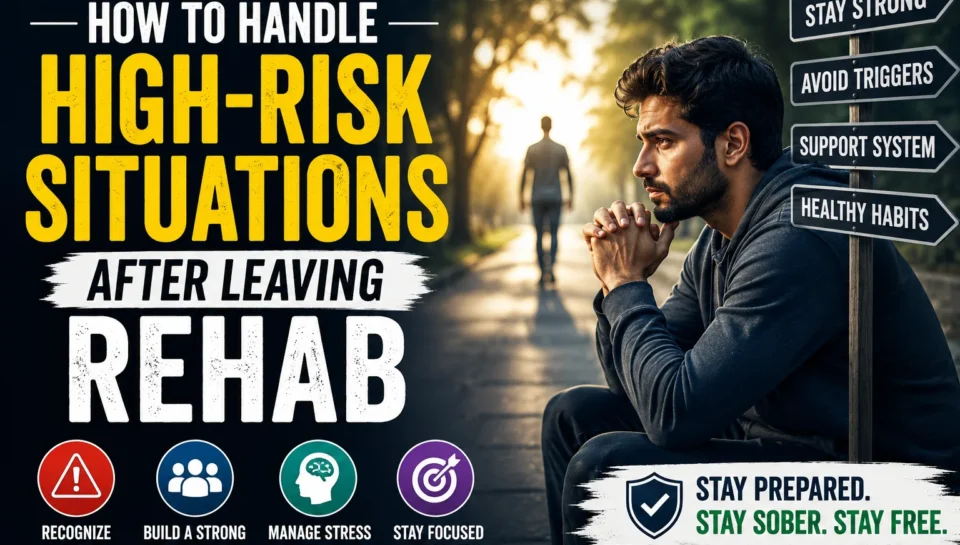
Leaving rehab is a major achievement, but it is only the beginning of the recovery journey. Many people believe that completing treatment means the hardest part is over. In reality, the weeks and months after rehab are often when individuals face their greatest challenges.
This article will help you understand what high-risk situations look like, why they can trigger relapse, and how to build practical strategies for staying sober. You’ll also learn when professional support from a rehab center Islamabad, addiction treatment centre, or psychiatric treatment centre may be necessary to maintain long-term recovery.
Recovery is not about avoiding life. It’s about learning how to handle life’s challenges without returning to drugs or alcohol.
What Are High-Risk Situations in Recovery?
A high-risk situation is any circumstance that increases the likelihood of relapse.
These situations can be emotional, social, environmental, or psychological.
Common examples include:
- Being around people who use drugs or alcohol
- Experiencing high levels of stress
- Family conflicts
- Financial problems
- Relationship difficulties
- Celebrations involving alcohol
- Feelings of loneliness or boredom
- Major life changes
Learning to identify these situations early is one of the most important relapse prevention skills.
Why Relapse Happens After Rehab
Relapse does not usually occur suddenly.
It often develops gradually through a series of emotional and behavioral changes.
Many individuals become overconfident after treatment and believe they no longer need support. Others underestimate the power of triggers they encounter in daily life.
Recovery requires continuous effort, awareness, and healthy coping strategies.
Common Triggers That Can Lead to Relapse
Emotional Triggers
Strong emotions often increase relapse risk.
These may include:
- Anxiety
- Depression
- Anger
- Frustration
- Loneliness
- Shame
Many people used substances in the past to cope with difficult feelings. Learning healthier coping skills is essential.
Social Triggers
Social environments can significantly influence recovery.
Examples include:
- Friends who still use substances
- Parties and celebrations
- Peer pressure
- Workplace drinking culture
Sometimes avoiding certain social situations is necessary during early recovery.
Environmental Triggers
Certain places can trigger cravings because they are associated with past substance use.
Examples include:
- Former drug-use locations
- Specific neighborhoods
- Bars or clubs
- Certain social gatherings
Recognizing environmental triggers helps individuals prepare before encountering them.
Create a Personal Relapse Prevention Plan
One of the best ways to stay sober after treatment is to develop a written relapse prevention plan.
This plan should include:
- Personal triggers
- Warning signs
- Healthy coping strategies
- Emergency contacts
- Support group information
Having a clear plan makes it easier to respond effectively during difficult moments.
Build a Strong Support Network
Recovery should never be a solitary journey.
Support systems may include:
- Family members
- Trusted friends
- Sponsors
- Therapists
- Support groups
- Recovery coaches
People with strong support networks generally experience better long-term recovery outcomes.
Learn Healthy Stress Management Techniques
Stress is one of the most common relapse triggers.
Healthy stress-management methods include:
- Exercise
- Deep breathing
- Meditation
- Journaling
- Prayer or spiritual practices
- Spending time outdoors
Replacing unhealthy coping methods with healthier alternatives strengthens recovery.
Avoid High-Risk People and Places
Many relapses occur because individuals return to old environments too quickly.
Ask yourself:
- Does this person support my recovery?
- Does this place increase cravings?
- Will this situation help or hurt my progress?
Protecting your recovery sometimes requires making difficult decisions about relationships and social activities.
The Importance of Routine
Structure helps reduce the risk of relapse.
A healthy routine may include:
- Consistent sleep schedules
- Regular meals
- Work or education goals
- Exercise
- Therapy appointments
- Family time
Predictability creates stability during recovery.
How Family Members Can Help
Families play an important role in long-term sobriety.
Supportive family members can:
- Encourage accountability
- Recognize warning signs
- Promote healthy communication
- Reduce unnecessary stress
- Support treatment recommendations
Recovery often becomes stronger when the entire family participates.
Warning Signs That Relapse May Be Approaching
Recognizing early warning signs allows individuals to seek help before relapse occurs.
Warning signs may include:
- Isolating from others
- Skipping support meetings
- Increased stress
- Mood swings
- Romanticizing past substance use
- Neglecting self-care
- Increased cravings
Taking action early can prevent a full relapse.
When Professional Help Is Needed
Sometimes recovery challenges become overwhelming.
Professional support may be necessary if:
- Cravings become intense
- Mental health symptoms worsen
- A relapse occurs
- Family conflicts increase
- Stress becomes difficult to manage
A qualified addiction treatment centre, drug rehab centre, or psychiatric treatment centre can provide additional support and guidance.
How the Best Rehab Center in Islamabad Supports Long-Term Recovery
Recovery does not end after discharge.
The best rehab center in Islamabad often provides:
- Aftercare planning
- Ongoing counseling
- Family therapy
- Relapse prevention programs
- Mental health support
- Recovery monitoring
These services help individuals maintain progress and navigate challenges after treatment.
Facilities such as Hayat Rehab Clinic and Hayat Rehab Center understand that long-term recovery requires continuous support, not just short-term treatment.
Recovery Is a Lifelong Process
Every person in recovery will face challenges.
The goal is not perfection.
The goal is learning how to respond to stress, emotions, and difficult situations without returning to substance use.
Each healthy choice strengthens recovery and builds resilience.
Conclusion
Learning how to handle high-risk situations after leaving rehab is one of the most important skills for maintaining long-term sobriety. Triggers, stress, emotional challenges, and social pressures are a normal part of life, but they do not have to lead to relapse.
With a strong support network, a clear relapse prevention plan, healthy coping strategies, and professional guidance from a rehabilitation center Islamabad, drug rehab centre, or best rehab center in Islamabad, individuals can successfully navigate recovery and build a healthier future.
Key Takeaways
- High-risk situations increase the likelihood of relapse.
- Emotional, social, and environmental triggers are common.
- A relapse prevention plan improves recovery success.
- Support networks play a critical role in sobriety.
- Healthy stress management reduces relapse risk.
- Early warning signs should never be ignored.
- Professional aftercare support strengthens long-term recovery.
Take the Next Step
Are you preparing for life after rehab or supporting a loved one in recovery? Share this article, leave a comment below, or contact our team to learn more about relapse prevention and long-term recovery support.