Mental health recovery is a journey that involves both emotional and physical healing. While therapy and medical care are essential, physical activity is increasingly recognized as a powerful support tool in recovery. Exercise improves physical health, strengthens emotional stability, reduces stress, and enhances overall well-being.
Many individuals receiving care at a rehab centre in Islamabad or a rehabilitation centre in Rawalpindi benefit from structured fitness programs as part of their treatment. These programs are often integrated into recovery plans at addiction treatment centres to support long-term healing and improve quality of life.
Why Exercise Matters in Mental Health Recovery
Exercise has a direct impact on brain function and emotional health. Physical activity stimulates the release of endorphins, which are natural chemicals that help improve mood and reduce stress.
Key benefits of exercise include:
- Reduced anxiety and depression symptoms
- Improved sleep quality
- Increased energy levels
- Better stress management
- Enhanced self-confidence
For individuals recovering from addiction, exercise provides a healthy and constructive alternative to substance use. Many psychiatric treatment centres include fitness as part of a holistic recovery approach.
How Rehab Centres in Islamabad Use Exercise in Treatment
Modern rehabilitation centres in Islamabad focus on treating the whole person, not just the condition. This includes physical, emotional, and psychological well-being.
Exercise programs are designed to:
- Support emotional healing
- Improve physical health
- Build routine and discipline
- Reduce cravings and withdrawal symptoms
At a well-structured rehab centre in Islamabad, fitness activities are supervised and tailored according to each individual’s recovery stage and physical ability.
Types of Exercise Used in Recovery Programs
Different forms of physical activity are used in rehabilitation settings, each offering unique benefits.
1. Aerobic Exercise
Activities like walking, jogging, cycling, and swimming help improve cardiovascular health and elevate mood.
2. Strength Training
Strength-based exercises improve physical power, confidence, and overall body function.
3. Yoga and Mindfulness Practices
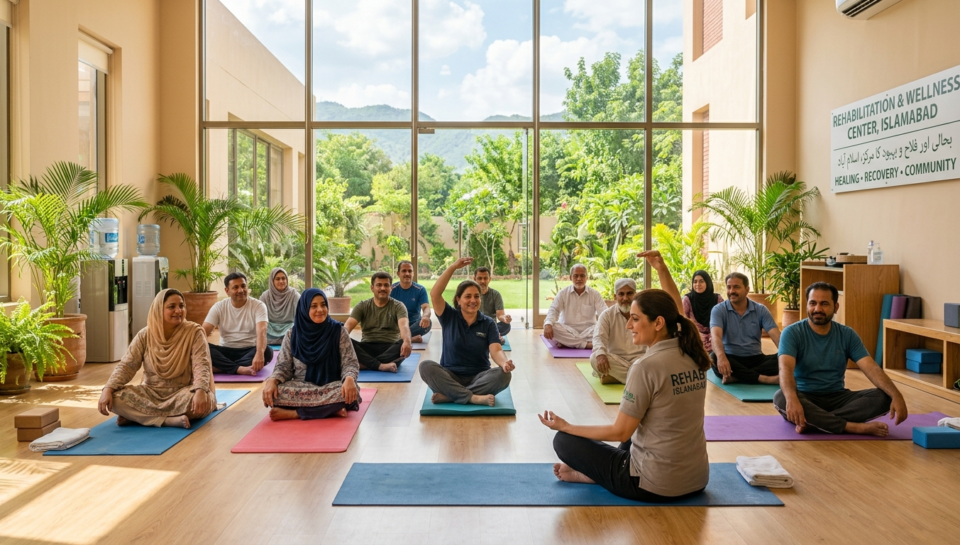
Yoga combines movement, breathing techniques, and mindfulness to reduce stress and improve emotional balance. It is widely used in psychiatric treatment centres to support mental clarity.
4. Group Fitness Activities
Group exercises encourage social interaction, teamwork, and emotional support during recovery. Both rehabilitation centres in Rawalpindi and Islamabad often include these sessions.
Exercise and Addiction Recovery
Exercise plays an important role in addiction recovery by addressing both physical and psychological challenges.
Benefits include:
- Reduced cravings for substances
- Improved mood stability
- Healthier coping mechanisms
- Increased motivation for recovery
- Better physical health overall
A drug rehab centre or alcohol treatment centre often incorporates structured exercise routines to support detoxification and long-term recovery.
Treatment Programs That Include Exercise
Exercise is most effective when combined with structured treatment programs.
Medical Detox (If Required)
Light physical activity may be introduced gradually under supervision during detox at a drug rehab centre or alcohol treatment centre.
Inpatient Rehabilitation
Inpatient programs provide a structured environment where exercise becomes part of daily routine.
Key benefits:
- Access to fitness facilities
- Supervised exercise sessions
- Balanced daily structure
- Comprehensive care and support
Many individuals prefer inpatient care at a rehabilitation centre in Islamabad due to its focused and supportive environment.
Outpatient Programs
Outpatient treatment allows individuals to continue daily life while attending therapy and exercise sessions. Both rehabilitation centres in Islamabad and Rawalpindi offer such programs.
Aftercare Support
Aftercare programs help individuals maintain healthy habits, including regular exercise, to support long-term recovery and prevent relapse.
How to Choose the Right Rehab Centre in Islamabad
Selecting the right facility plays a key role in successful recovery.
Important factors to consider:
- Comprehensive treatment approach combining therapy, medical care, and fitness
- Qualified and experienced professionals
- Personalized treatment plans
- Safe, structured, and supportive environment
- Convenient location (Islamabad or Rawalpindi)
A quality rehab centre in Islamabad will offer a balanced approach that integrates mental health care with physical wellness.
Frequently Asked Questions
1. Can exercise really help with mental health recovery?
Yes. Exercise improves mood, reduces stress, and supports emotional stability.
2. Is exercise safe during addiction recovery?
Yes, when supervised by professionals at a rehab centre in Islamabad.
3. What type of exercise is best for recovery?
A mix of aerobic exercise, strength training, and yoga is most effective.
4. Do all rehab centres include exercise programs?
Not all, but many modern rehabilitation centres in Rawalpindi and Islamabad do.
5. Can exercise continue after rehab?
Yes. Ongoing physical activity is strongly encouraged for long-term recovery.
Conclusion
Exercise is a vital part of mental health and addiction recovery. It supports emotional healing, improves physical strength, and helps build healthy daily routines.
Whether at a rehabilitation centre in Islamabad or a drug rehab centre, incorporating exercise into treatment can significantly improve recovery outcomes and long-term well-being.
Take the First Step Toward Recovery
If you or someone you know is struggling with addiction or mental health challenges, reaching out to a professional rehab centre in Islamabad can be an important first step toward healing and a healthier future.