
Introduction
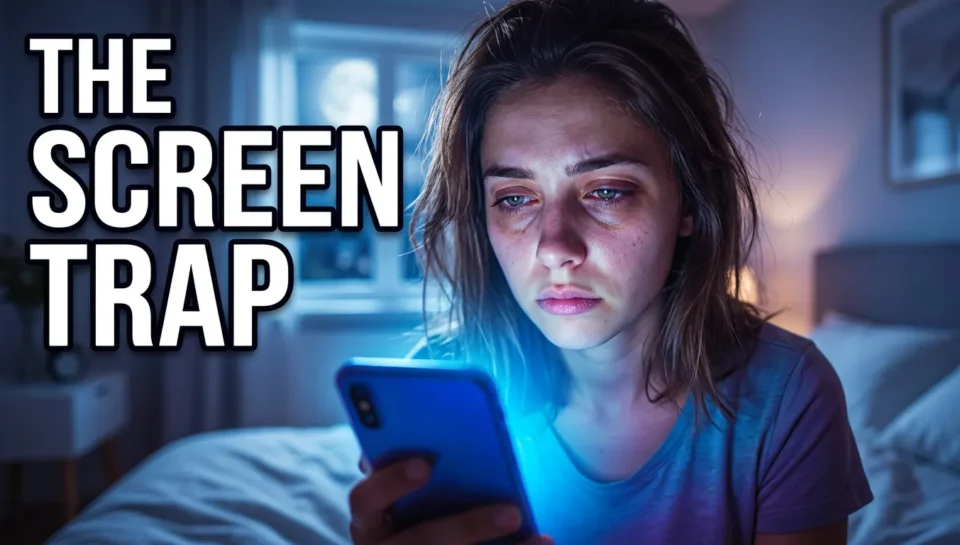
Late-night scrolling often feels harmless at first. One video turns into another, then messages, and suddenly it is past 2 a.m. with only a few hours left before waking up.
In cities like Islamabad and Rawalpindi, sleep disruption caused by excessive screen use is becoming more common. It is especially important for individuals dealing with stress, anxiety, or addiction recovery, where sleep plays a direct role in emotional stability and relapse prevention.
How Screen Overuse Disrupts Sleep
Smartphones, tablets, and laptops interfere with sleep in several key ways:
1. Blue light exposure
Screens emit blue light, which suppresses melatonin. This hormone regulates your sleep cycle and helps your body prepare for rest.
When melatonin drops, the body struggles to shift into sleep mode.
2. Delayed sleep onset
Even when you feel tired, continuous scrolling keeps the brain alert and active, making it harder to fall asleep.
3. Poor sleep quality
Sleep becomes lighter and less restorative, which means you wake up feeling exhausted even after several hours in bed.
4. Mood and energy imbalance
Lack of quality sleep often leads to irritability, low energy, anxiety, and difficulty concentrating the next day.
Why Screens Keep the Brain Awake
Beyond blue light, digital content itself plays a major role.
Social media, games, and streaming platforms activate the brain’s reward system. This increases dopamine activity, which keeps the mind engaged when it should be winding down.
Over time, the brain starts associating nighttime with stimulation instead of rest.
Why Sleep Is Critical in Addiction Recovery
Sleep is not optional during recovery. It is a core part of healing.
In structured addiction treatment settings, sleep is closely monitored because it directly affects:
- Emotional stability
- Impulse control
- Decision-making ability
- Stress regulation
- Brain recovery and repair
When sleep is disrupted, cravings can become stronger and emotional reactions more intense. Even small stressors may feel overwhelming.
The Link Between Sleep Loss and Relapse Risk
Sleep deprivation affects the same brain systems involved in addiction.
When a person is sleep-deprived:
- The brain seeks quick rewards
- Self-control weakens
- Cravings increase
- Emotional resilience drops
This combination can increase relapse risk, especially in early recovery stages where stability is still developing.
How Rehabilitation Centres Address Sleep and Digital Habits
Modern recovery programs do more than treat substance use. They also focus on lifestyle patterns that affect mental health.
1. Medical detox (if needed)
Doctors help stabilize the body during withdrawal and manage sleep disturbances safely.
2. Inpatient treatment programs
Structured routines reduce late-night screen use and help reset natural sleep cycles.
3. Outpatient programs
Therapists guide individuals in managing screen habits while continuing daily life at home.
4. Cognitive Behavioral Therapy (CBT)
CBT helps individuals:
- Identify triggers for late-night scrolling
- Break unhealthy bedtime habits
- Build structured nighttime routines
5. Psychiatric support
Sleep issues often connect with anxiety, depression, or trauma. Psychiatric care helps treat these underlying causes.
Choosing the Right Rehab Facility
When looking for support in Islamabad or Rawalpindi, it helps to focus on how a centre approaches overall recovery.
Key questions to consider:
- Is sleep quality monitored during treatment?
- Are digital habits addressed in therapy?
- Is psychiatric support available?
- Are structured routines part of the program?
- What kind of aftercare is offered?
A strong program looks at recovery as a complete lifestyle change, not just substance withdrawal.
Warning Signs That Screen Use Is Affecting Your Health
You may need to reassess your digital habits if you notice:
- Staying up late scrolling regularly
- Feeling anxious without your phone
- Waking up tired despite long sleep hours
- Increased caffeine dependence
- Mood swings after nighttime screen use
If these signs appear alongside substance use or mental health concerns, professional support may help restore balance.
Practical Ways to Improve Sleep
Before or during treatment, these habits can help improve sleep quality:
- Set a fixed bedtime routine
- Stop screen use 60 minutes before sleep
- Use blue light filters in the evening
- Keep phones out of the bedroom
- Replace scrolling with reading or relaxation techniques
These small changes can significantly improve sleep over time.
Frequently Asked Questions
Can screen overuse affect addiction recovery?
Yes. Poor sleep increases cravings, reduces emotional control, and raises relapse risk.
Do rehab centres limit phone use?
Many inpatient programs manage or restrict phone use to protect sleep and support recovery.
Is insomnia treated in rehab centres?
Yes. Sleep issues are commonly treated through medical and psychiatric support.
Can outpatient treatment help with screen addiction?
Yes. Therapy often includes strategies to reduce screen dependence and improve sleep habits.
Conclusion
Sleep disruption caused by excessive screen use may seem minor, but it can significantly impact mental health and addiction recovery. Quality sleep supports emotional stability, brain healing, and long-term recovery success.
Effective treatment goes beyond substance use and includes building healthier daily routines, including digital habits.