Introduction
Addiction recovery requires more than willpower. Professional treatment combines medical care, psychological therapy, and long-term support to help individuals regain stability in their lives. Many people seek help from a rehab centre in Islamabad or nearby cities when substance use begins affecting health, relationships, and daily functioning.
Therapy is a core part of recovery. Modern programs at an addiction treatment centre focus on identifying root causes of addiction and building healthier coping strategies. Whether the issue involves drugs, alcohol, or mental health challenges, structured therapy plays a central role in long-term recovery.
What Do Rehabilitation Centres Offer?
A professional rehabilitation centre in Islamabad provides structured programs that address both physical dependence and psychological well-being.
Most treatment centers typically include:
- Medical supervision and detoxification
- Psychological therapy and counseling
- Mental health support from psychiatric professionals
- Group therapy and peer support
- Relapse prevention training
- Aftercare and long-term recovery planning
Some individuals require support from a specialized drug rehab centre, while others may benefit from an alcohol treatment centre depending on their condition.
Many patients also choose between facilities in Islamabad and a rehabilitation centre in Rawalpindi based on convenience and available services.
Common Therapy Types Used in Addiction Recovery
Cognitive Behavioral Therapy (CBT)
Cognitive Behavioral Therapy (CBT) is one of the most effective approaches in addiction treatment. It helps individuals identify negative thought patterns and replace them with healthier behaviors.
CBT focuses on:
- Identifying triggers for substance use
- Developing healthy coping skills
- Improving emotional control
- Building confidence in recovery
It is widely used across addiction treatment programs and psychiatric care settings.
Dialectical Behavior Therapy (DBT)
DBT focuses on emotional regulation and stress management. It is especially helpful for individuals who experience intense emotions, anxiety, or impulsive behaviors.
Many psychiatric treatment centre programs integrate DBT to help patients manage emotions without turning to substances.
Individual Therapy
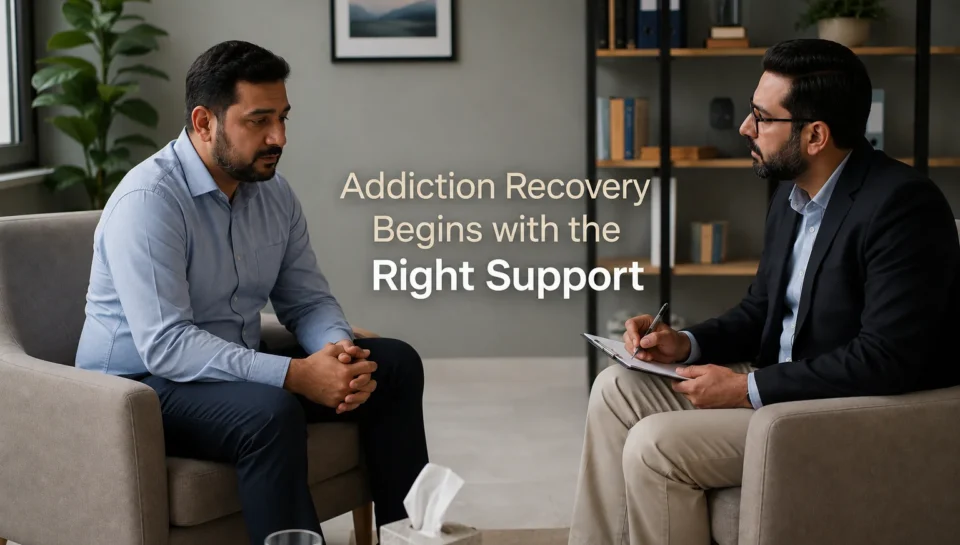
Individual therapy provides one-on-one sessions with a licensed therapist. It offers a safe space to discuss personal challenges, trauma, and mental health concerns.
At a professional rehab facility, treatment plans are often personalized based on each patient’s needs and recovery goals.
Group Therapy
Group therapy allows individuals to connect with others facing similar struggles. It builds a sense of community and shared understanding.
Benefits include:
- Building a support network
- Improving communication skills
- Reducing isolation
- Increasing motivation for recovery
Family Therapy
Addiction affects the entire family system. Family therapy helps rebuild trust, improve communication, and create healthier boundaries.
Most rehabilitation programs involve families as part of long-term recovery planning.
Key Treatment Programs at Rehab Centres
Medical Detox
Detox is often the first step in recovery. It involves safely managing withdrawal symptoms under medical supervision.
This stage is commonly provided in both drug and alcohol treatment settings.
Inpatient Rehabilitation
Inpatient programs require individuals to stay at the facility for 30–90 days or longer.
Key benefits include:
- 24/7 medical and emotional support
- Structured daily routines
- Multiple therapy options
- Reduced exposure to triggers
This level of care is typically offered in the best rehabilitation facilities in Islamabad.
Outpatient Programs
Outpatient treatment allows individuals to attend therapy while continuing daily responsibilities such as work or education.
It is suitable for mild to moderate addiction cases or as a step-down after inpatient care.
Aftercare and Relapse Prevention
Recovery continues beyond formal treatment. Aftercare programs help individuals maintain progress and prevent relapse.
Common aftercare services include:
- Continued counseling
- Support groups
- Recovery coaching
- Lifestyle and wellness planning
A well-structured rehab centre ensures aftercare is part of the recovery journey.
How to Choose the Right Rehab Centre
When selecting a treatment facility, consider the following:
- Qualified medical and mental health professionals
- Evidence-based therapy programs
- Personalized treatment plans
- Safe and supportive environment
- Strong aftercare support system
Choosing the right facility, whether in Islamabad or Rawalpindi, can significantly impact recovery outcomes.
Frequently Asked Questions
What therapy works best for addiction recovery?
CBT is widely considered one of the most effective therapies, often combined with other approaches for better results.
How long does treatment take?
It varies. Programs may last from 30 days to several months depending on individual needs.
Do rehab centres treat mental health conditions too?
Yes. Many centers provide integrated care for addiction and mental health conditions like anxiety and depression.
Is outpatient treatment effective?
Yes, especially for mild cases or after completing inpatient care.
Conclusion
Addiction recovery is a structured process that combines therapy, medical care, and long-term support. Whether someone seeks help from a rehabilitation centre in Islamabad or a nearby facility, the right treatment approach can make lasting recovery possible.
With professional guidance, consistent therapy, and strong aftercare, individuals can rebuild their lives and achieve long-term sobriety.