Introduction
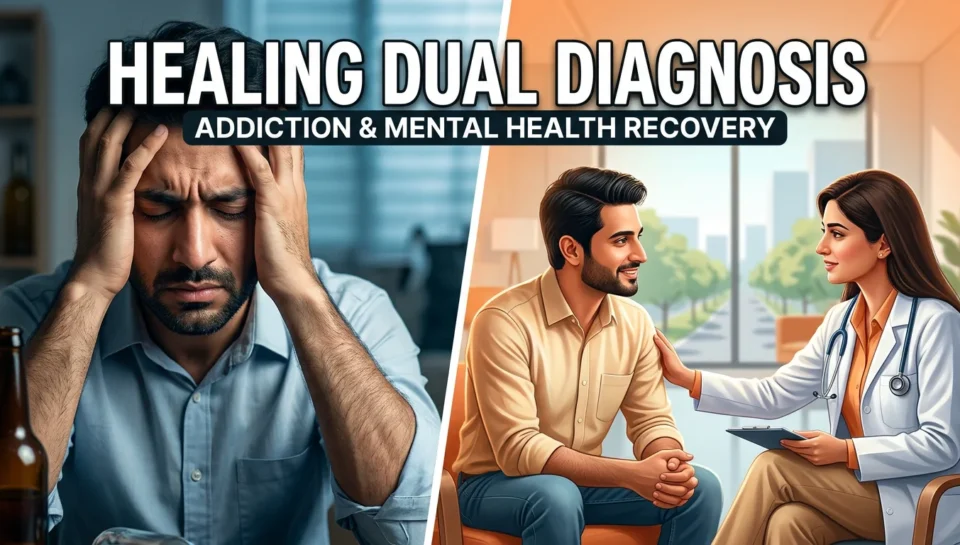
Many individuals struggling with addiction also experience mental health conditions such as depression, anxiety, bipolar disorder, or PTSD. When both conditions occur together, it is known as dual diagnosis.
Treating only one condition is not enough. Both addiction and mental health disorders must be addressed simultaneously for long-term recovery. In Islamabad, more families are now seeking professional care that provides integrated treatment at a Rehabilitation centre in Islamabad.
What Dual Diagnosis Means
Dual diagnosis refers to the presence of:
- A substance use disorder (such as heroin, ice, alcohol, or prescription drugs)
- A mental health disorder occurring at the same time
These conditions are closely connected. Substance use can worsen mental health symptoms, while mental health disorders can increase reliance on drugs or alcohol. Without proper treatment, this cycle continues repeatedly.
Why Dual Diagnosis Is Often Missed
Dual diagnosis is frequently overlooked because:
- Symptoms of addiction and mental illness often overlap
- Families focus only on substance use
- Mental health stigma still exists in Pakistan
- Many treatment facilities lack psychiatric expertise
Accurate diagnosis at a Psychiatric treatment centre is essential for effective recovery.
Common Mental Health Disorders Linked with Addiction
Individuals with addiction may also experience:
- Depression
- Anxiety disorders
- Bipolar disorder
- PTSD and trauma-related conditions
- Personality disorders
- Severe emotional instability and stress
If untreated, these conditions significantly increase the risk of relapse.
Signs of Dual Diagnosis
Families in Islamabad should look for warning signs such as:
- Extreme mood swings or emotional instability
- Social withdrawal from family and friends
- Loss of interest in daily activities
- Using substances to “feel normal”
- Panic attacks, irritability, or deep sadness
- Sudden behavioral changes
- Difficulty coping with stress
If addiction treatment alone is not effective, dual diagnosis may be the underlying issue requiring care at a Drug rehab centre or Addiction treatment centre.
How Dual Diagnosis Treatment Works in Islamabad
Effective treatment includes an integrated approach:
1. Professional Assessment
Comprehensive evaluation by psychiatrists and addiction specialists.
2. Medical Detox (If Required)
Safe and supervised withdrawal management to stabilize the patient.
3. Medication Management
Treatment for mental health symptoms such as anxiety, depression, or mood disorders.
4. Therapy and Counseling
- Cognitive Behavioral Therapy (CBT)
- Trauma-focused therapy
- Family counseling
- Relapse prevention therapy
5. Long-Term Recovery Planning
Continuous support to maintain stability, prevent relapse, and rebuild daily life.
Why Specialized Treatment Matters
Dual diagnosis requires:
- Experienced psychiatrists and therapists
- Structured and integrated treatment programs
- Safe and supportive rehabilitation environment
- Confidential and ethical care
Treating both conditions together greatly improves recovery outcomes at a Rehabilitation centre in Rawalpindi or Islamabad.
Choosing the Right Rehab Centre in Islamabad
A professional facility should provide:
- Licensed psychiatric professionals
- Evidence-based addiction treatment
- Safe detox services
- Family involvement and support
- Personalized recovery plans
- Calm and structured environment
Trusted facilities like a Best rehab centre in Islamabad offer comprehensive dual diagnosis care.
Conclusion
Dual diagnosis is complex, but recovery is absolutely possible. When addiction and mental health disorders are treated together, individuals experience greater stability, emotional balance, and long-term recovery success.
Families in Islamabad can play a key role by recognizing early signs and seeking professional help from a Rehab centre islamabad contact-us/or specialized treatment facility.
Take the First Step
📞 Call Now: +92 340 1531 371
🌐 Visit: www.hrci.pk