
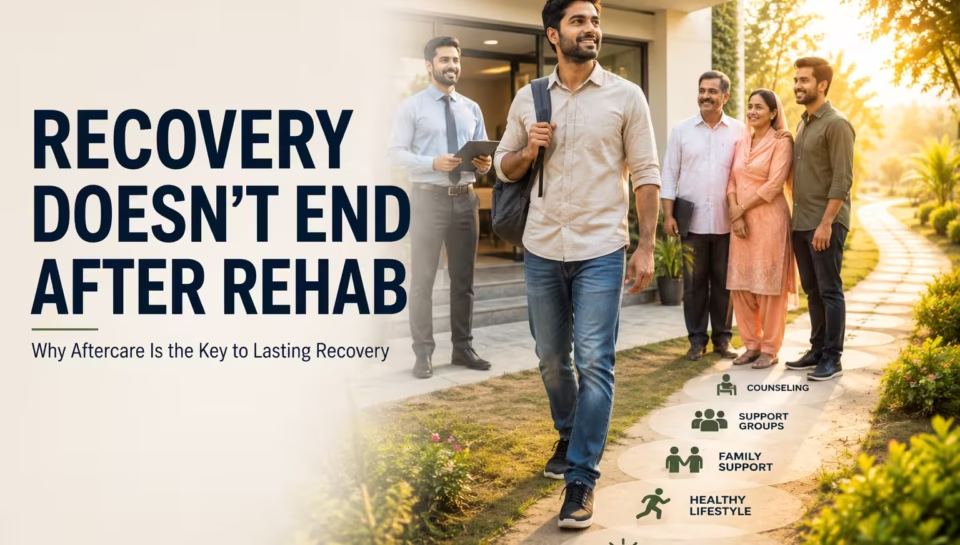
Why Recovery Doesn’t End When You Leave Rehab: The Truth About Aftercare
Completing a rehabilitation program is a major achievement, but it is only the beginning of recovery. Many people believe that once they leave a Rehabilitation centre in Islamabad or another Addiction treatment centre, the hard part is over. In reality, the weeks and months after rehab are often the most important stage of the recovery journey.
Whether someone has completed treatment at a Best rehab centre in Islamabad, a Drug rehab centre, or another professional facility, long-term success depends on what happens after discharge. This is where aftercare becomes essential. In this guide, you’ll learn what aftercare is, why it matters, the different types of support available, and how it helps people build lasting recovery.
What Is Aftercare?
Aftercare is the ongoing support a person receives after completing an addiction treatment program.
Its purpose is to help individuals maintain sobriety, manage everyday challenges, and reduce the risk of relapse.
Recovery does not stop when someone leaves rehab. Instead, it enters a new phase where people begin applying the skills they learned during treatment to real-life situations.
Aftercare helps bridge the gap between the structured environment of rehab and the responsibilities of daily life.
Why Leaving Rehab Can Feel Challenging
Inside a rehabilitation centre, daily routines are carefully planned.
Patients attend therapy sessions, receive medical support, participate in group discussions, and live in an environment free from alcohol and drugs.
Once they return home, life becomes very different.
They may suddenly face:
- Family responsibilities
- Work or school pressure
- Financial stress
- Old friendships linked to substance use
- Emotional triggers
- Easy access to drugs or alcohol
Without continued support, these challenges can become overwhelming.
Recovery Is a Lifelong Process
Addiction is widely recognized as a chronic condition that can require long-term management.
Just as people with diabetes or high blood pressure continue caring for their health after leaving the hospital, people recovering from addiction also benefit from ongoing care.
Recovery is about much more than avoiding drugs or alcohol.
It also involves rebuilding relationships, improving mental health, developing healthy routines, and learning new ways to cope with stress.
These changes take time.
Why Relapse Happens
One of the biggest misconceptions about addiction is that relapse means failure.
In reality, relapse can happen during recovery, especially in the early months after treatment.
It does not mean a person lacks willpower.
Instead, relapse often occurs because the brain is still healing while the individual is adjusting to daily life without substances.
Common relapse triggers include:
- Stress
- Anxiety
- Depression
- Loneliness
- Conflict with family
- Financial difficulties
- Seeing old friends who use drugs
- Visiting places associated with substance use
Understanding these triggers allows people to prepare for them instead of being caught off guard.
The First 90 Days After Rehab
Many addiction specialists consider the first three months after rehab to be one of the most vulnerable periods.
During this time, individuals may still experience:
- Strong cravings
- Mood swings
- Sleep disturbances
- Low motivation
- Difficulty managing emotions
These experiences are common and usually become easier to manage with ongoing treatment and support.
Regular counseling and follow-up appointments during this period can make a significant difference.
What Does Aftercare Include?
There is no single aftercare plan that works for everyone.
Professional treatment teams develop personalized plans based on each person’s needs.
A comprehensive aftercare program may include:
- Individual counseling
- Group therapy
- Family therapy
- Psychiatric follow-up
- Medication management
- Peer support groups
- Relapse prevention planning
- Healthy lifestyle coaching
The goal is to help individuals remain confident and supported while rebuilding their lives.
Individual Counseling
One-on-one counseling allows people to continue working through challenges that may not have been fully addressed during rehab.
Counseling sessions often focus on:
- Managing cravings
- Coping with stress
- Setting recovery goals
- Improving communication
- Building confidence
- Solving everyday problems
As recovery progresses, counseling sessions may become less frequent while still providing valuable long-term support.
Group Therapy
Many people discover that they are not alone in their recovery journey.
Group therapy provides a safe space where individuals can:
- Share experiences
- Learn from others
- Celebrate recovery milestones
- Discuss setbacks without judgment
- Practice healthy communication
Listening to people with similar experiences often helps reduce feelings of isolation.
Family Support Matters
Addiction affects the entire family, not just the individual.
Recovery is often stronger when family members understand addiction and learn how to provide healthy support.
Family counseling may help relatives:
- Improve communication
- Set healthy boundaries
- Rebuild trust
- Recognize relapse warning signs
- Reduce conflict at home
Families who participate in recovery often become an important source of encouragement during difficult times.
Why Mental Health Care Continues After Rehab
Many people recovering from addiction also experience conditions such as:
- Anxiety
- Depression
- PTSD
- Bipolar disorder
- Schizophrenia
These conditions do not disappear simply because substance use has stopped.
A qualified Psychiatric treatment centre or mental health professional may continue providing therapy and medication management after rehab.
Treating both addiction and mental health together often leads to better long-term outcomes.
Building a New Lifestyle
One of the biggest goals of aftercare is helping people create a lifestyle that supports recovery.
Instead of returning to old habits, individuals gradually build healthier routines that promote physical and emotional well-being.
This may include regular exercise, nutritious meals, better sleep, meaningful hobbies, and positive social connections.
Recovery is not about simply removing drugs or alcohol—it is about creating a life where they are no longer needed.
How Aftercare Helps Prevent Relapse
One of the main goals of aftercare is to reduce the risk of relapse.
People often leave rehab feeling motivated, but motivation alone is not enough. Everyday life brings unexpected challenges, and aftercare provides the tools and support needed to manage them in healthy ways.
Instead of reacting to stress with drugs or alcohol, individuals learn healthier coping strategies that become stronger with practice.
Recognizing Relapse Before It Happens
Relapse usually doesn’t happen suddenly.
It often develops through a series of emotional and behavioral changes before a person uses drugs or alcohol again.
Early warning signs may include:
- Skipping counseling appointments
- Isolating from family and friends
- Feeling overly confident about recovery
- Romanticizing past substance use
- Increased stress or anxiety
- Changes in sleep patterns
- Irritability or mood swings
- Returning to unhealthy environments
Recognizing these signs early allows individuals to seek help before a relapse occurs.
Medication-Assisted Treatment (MAT)
For some people, medication is an important part of long-term recovery.
Medication-Assisted Treatment (MAT) combines prescribed medication with counseling and behavioral therapy.
Depending on the type of addiction, medications may help:
- Reduce cravings
- Ease withdrawal symptoms
- Lower the risk of relapse
- Support long-term recovery
Medication should always be taken under the supervision of a qualified healthcare professional.
It works best when combined with therapy and lifestyle changes rather than used on its own.
Support Groups Can Make a Difference
Many people find strength in connecting with others who understand their experiences.
Support groups provide encouragement, accountability, and practical advice from people who are also committed to recovery.
Benefits of support groups include:
- Feeling less alone
- Learning healthy coping skills
- Sharing recovery experiences
- Building lasting friendships
- Staying motivated during difficult times
Recovery becomes easier when people know they have a community to rely on.
Returning to Work or School
Going back to work or education is an important milestone, but it can also feel overwhelming.
New responsibilities, deadlines, and social situations may increase stress.
To make the transition smoother, individuals can:
- Return gradually if possible
- Maintain a daily routine
- Take regular breaks
- Continue attending therapy
- Speak with trusted family members when feeling overwhelmed
Balancing recovery with work or study takes time, and it’s okay to ask for support.
Rebuilding Relationships
Addiction can damage trust between family members, partners, and friends.
Healing those relationships is an important part of recovery, but it doesn’t happen overnight.
Trust is rebuilt through consistent actions over time.
Helpful steps include:
- Being honest
- Accepting responsibility
- Respecting boundaries
- Keeping promises
- Communicating openly
- Showing patience
Families also need time to heal, and that process deserves understanding and respect.
Healthy Habits That Support Recovery
Recovery is strengthened by small daily choices.
Healthy routines improve both physical and mental well-being.
Simple habits include:
- Exercising regularly
- Eating balanced meals
- Sleeping 7–9 hours each night
- Drinking enough water
- Practicing mindfulness or relaxation
- Spending time outdoors
- Limiting unnecessary screen time
- Pursuing hobbies and interests
These habits reduce stress and help create a stable lifestyle.
Avoiding High-Risk Situations
Some environments can increase the temptation to return to substance use.
During early recovery, it is often helpful to avoid:
- Parties where alcohol or drugs are present
- Friends who continue using substances
- Places connected to past drug use
- High-stress situations without a support plan
Planning ahead for these situations can make healthy decisions easier.
Why Family Education Matters
Families often want to help but may not know how.
Learning about addiction helps loved ones provide support without enabling unhealthy behaviors.
Family education can teach:
- How addiction affects the brain
- The recovery process
- Healthy communication techniques
- Setting appropriate boundaries
- Responding to relapse constructively
A supportive home environment can make a meaningful difference in long-term recovery.
When Professional Support Is Needed Again
Recovery is rarely a straight line.
If someone begins struggling again, seeking help early is one of the strongest decisions they can make.
Professional support may be needed if a person:
- Experiences persistent cravings
- Stops attending therapy
- Returns to substance use
- Shows signs of depression or severe anxiety
- Becomes socially isolated
- Has difficulty managing daily responsibilities
Early intervention often prevents a small setback from becoming a major relapse.
Individuals may benefit from follow-up care through an Addiction treatment centre, Drug rehab centre, or Psychiatric treatment centre, depending on their needs.
Choosing the Right Aftercare Program
Every recovery journey is unique, so aftercare should be tailored to the individual.
When choosing ongoing support, consider whether the program offers:
- Personalized treatment plans
- Experienced counselors
- Mental health services
- Family involvement
- Relapse prevention planning
- Regular follow-up appointments
- Access to support groups
The best rehabilitation programs don’t end when a patient leaves they continue providing guidance throughout the recovery journey.
What If Relapse Happens?
Relapse can be discouraging, but it should never be viewed as failure.
Addiction is a chronic condition, and like many long-term health conditions, setbacks can happen. What matters most is how quickly someone recognizes the problem and seeks help.
Many people who achieve lasting recovery have experienced one or more relapses before maintaining long-term sobriety.
The key is to respond early rather than waiting for the situation to become more serious.
Steps to Take After a Relapse
If relapse occurs, taking immediate action can reduce the risk of further substance use.
Helpful steps include:
- Contact your counselor or treatment provider.
- Tell a trusted family member or friend.
- Attend your next therapy session as soon as possible.
- Identify what triggered the relapse.
- Return to healthy daily routines.
- Avoid people or places linked to substance use.
- Consider a higher level of care if recommended.
Seeking help early is a sign of strength, not weakness.
Recovery Looks Different for Everyone
No two recovery journeys are exactly alike.
One person may feel confident returning to work after a month, while another may need several months of continued therapy and structured support.
Factors that influence recovery include:
- The type and severity of addiction
- Physical health
- Mental health conditions
- Family support
- Employment and financial stability
- Personal motivation
- Participation in aftercare
Instead of comparing progress with others, individuals should focus on their own goals and celebrate every positive step forward.
The Importance of Hope
Many people enter recovery believing that lasting change is impossible.
However, thousands of individuals around the world successfully rebuild their lives after addiction.
Recovery is about more than stopping substance use.
It is about improving physical health, strengthening relationships, finding purpose, and creating a future built on healthier choices.
Progress may be slow at times, but every day in recovery is an opportunity to grow.
Frequently Asked Questions
How long should aftercare continue?
There is no fixed timeline.
Some people benefit from several months of follow-up care, while others continue attending counseling or support groups for a year or longer.
The duration should be based on individual progress and the recommendations of healthcare professionals.
Is aftercare necessary if someone feels completely recovered?
Yes.
Even when someone feels confident, ongoing support helps reinforce healthy habits and reduces the risk of relapse during stressful periods.
Can family members participate in aftercare?
Absolutely.
Family counseling and education can improve communication, rebuild trust, and create a supportive home environment that encourages long-term recovery.
What if someone refuses aftercare?
Encourage open conversations rather than arguments.
Share your concerns calmly and remind them that aftercare is designed to support recovery, not to punish or control them.
If needed, seek advice from a qualified healthcare professional.
Final Thoughts
Leaving rehab is not the finish line it is the beginning of a new chapter.
The structure and support provided during rehabilitation prepare individuals for recovery, but lasting success depends on continuing those healthy habits after treatment ends.
Counseling, family support, support groups, healthy routines, and regular follow-up care all play important roles in helping people stay on the path to recovery.
Whether someone completes treatment at a Best rehab centre in Islamabad, a Rehabilitation centre in Islamabad, a Drug rehab centre, an Alcohol treatment centre, or receives support from a Psychiatric treatment centre, aftercare remains one of the most valuable investments in long-term health and well-being.
Recovery does not end when someone leaves rehab it continues every day through commitment, support, and healthy choices. With the right aftercare plan, lasting recovery is not only possible but achievable.
Key Takeaways
- Completing rehab is an important milestone, but recovery continues afterward.
- Aftercare helps people manage stress, prevent relapse, and build healthier lifestyles.
- Counseling, support groups, family involvement, and follow-up appointments are key parts of long-term recovery.
- Relapse is a setback, not a failure, and early support can help people get back on track.
- Healthy daily habits, strong relationships, and ongoing professional guidance improve recovery outcomes.
- Choosing a rehabilitation program with a structured aftercare plan can make a significant difference in long-term success.