
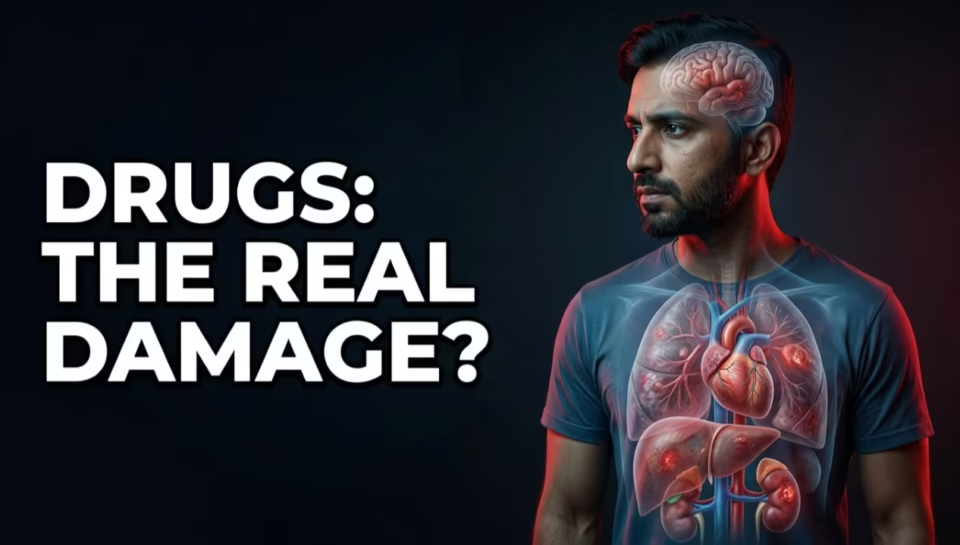
The Real Physical Damage Drugs Cause to Your Body: Organ-by-Organ Effects
Drug addiction can damage far more than a person’s behavior, relationships, or finances. It can slowly harm almost every major organ in the body. In this article, you will learn exactly how drugs affect the brain, heart, lungs, liver, kidneys, stomach, immune system, skin, teeth, reproductive health, and nervous system—and when professional addiction treatment may be necessary.
For people struggling with substance abuse, understanding the physical consequences of drug use can be the first step toward seeking help. Whether someone needs a Best rehab centre in Islamabad, a Rehabilitation centre in Islamabad, an Addiction treatment centre, or a specialized Drug rehab centre, early professional support can help reduce health risks and improve the chances of long-term recovery.
How Drugs Cause Physical Damage to the Body
Different drugs affect the body in different ways. Some substances speed up the heart and raise blood pressure, while others slow breathing and reduce the amount of oxygen reaching the brain.
Long-term substance abuse can also affect the body’s ability to repair itself. Poor sleep, poor nutrition, stress, and repeated exposure to toxic substances can make the damage worse.
Common effects of drug abuse may include:
- Reduced blood flow
- Organ inflammation
- Oxygen deprivation
- Weakened immune function
- Hormonal changes
- Nerve damage
- Increased risk of infection
- Organ failure
The type of drug, dosage, method of use, frequency of use, and overall health of the person all affect the level of physical damage.
Using multiple substances can be especially dangerous. For example, combining drugs that slow breathing with alcohol or sedative medicines may dramatically increase the risk of overdose.
Brain: How Drug Addiction Changes the Most Important Organ
The brain is one of the organs most directly affected by drugs. Substances can interfere with the chemical systems responsible for pleasure, motivation, memory, judgment, and emotional control.
Stimulants such as cocaine and methamphetamine can cause excessive brain activity and increase the risk of anxiety, paranoia, seizures, and stroke. Opioids can create feelings of relaxation and euphoria but may slow breathing and reduce oxygen to the brain.
Long-term drug use may lead to:
- Memory problems
- Difficulty concentrating
- Poor decision-making
- Anxiety and depression
- Mood changes
- Hallucinations
- Paranoia
- Seizures
- Stroke
- Permanent changes in brain function
Why Addiction Becomes Difficult to Control
Repeated drug use can cause the brain to prioritize the substance over normal rewards such as family, work, hobbies, and personal health.
This is why addiction is not simply a matter of weak willpower. Many people require structured addiction treatment, counseling, medical support, and relapse-prevention planning.
A professional Addiction treatment centre can help assess both the physical and psychological effects of substance abuse and create a treatment plan based on the individual’s needs.
Heart: Drugs Can Increase the Risk of Heart Attack
Many drugs place serious stress on the cardiovascular system. Stimulants can rapidly increase heart rate and blood pressure, putting additional pressure on the heart and blood vessels.
Over time, drug abuse may contribute to:
- Irregular heartbeat
- High blood pressure
- Heart attack
- Heart failure
- Blood clots
- Inflammation of the heart
- Sudden cardiac death
A person does not need to be older to experience serious heart problems. Young adults who use powerful stimulants may also suffer heart attacks or dangerous irregular heart rhythms.
Mixing stimulants with alcohol can create additional stress on the cardiovascular system. The risks can become even greater when a person has an existing heart condition.
Lungs: Smoking and Inhaling Drugs Can Damage Breathing
The lungs are directly exposed when drugs are smoked or inhaled. Repeated exposure can irritate the airways and damage lung tissue.
Drug use can increase the risk of:
- Chronic coughing
- Shortness of breath
- Lung infections
- Pneumonia
- Reduced lung function
- Respiratory failure
Opioids create a particularly serious risk because they can slow or stop breathing. During an overdose, the brain may not receive enough oxygen to support normal body functions.
If breathing stops for too long, permanent brain damage or death can occur.
People who smoke drugs may also experience additional damage caused by hot smoke, toxic chemicals, and contaminants in the substances being used.
Liver: The Body’s Main Chemical Processing Organ
The liver processes many substances that enter the body. Because drugs and alcohol must be processed by the liver, repeated exposure to toxic substances can cause inflammation and long-term damage.
The liver may be affected by:
- Alcohol
- Certain prescription medicines
- Heroin and other illicit drugs
- Drug combinations
- Contaminated substances
- Viral infections linked to unsafe injection practices
Long-term damage may contribute to fatty liver disease, hepatitis, scarring, and liver failure.
Alcohol and Drug Addiction Can Increase Organ Damage
Alcohol addiction can seriously affect the liver, pancreas, heart, brain, and nervous system. When alcohol is combined with other drugs, the risk of overdose and organ damage may increase significantly.
People struggling with alcohol dependence may need professional Alcohol addiction treatment at a qualified Alcohol treatment centre.
Medical support is particularly important for people who have been drinking heavily for a long period because suddenly stopping alcohol can cause serious withdrawal complications in some cases.
Kidneys: Drug Use Can Lead to Kidney Injury
The kidneys filter waste from the blood and help maintain fluid and chemical balance in the body.
Certain drugs can directly damage the kidneys. Other substances cause problems indirectly through dehydration, overheating, high blood pressure, muscle breakdown, or reduced blood flow.
Possible signs of kidney problems include:
- Changes in urination
- Swelling in the legs or face
- Fatigue
- High blood pressure
- Blood in the urine
- Protein in the urine
- Acute kidney injury
- Chronic kidney disease
Some stimulant drugs can cause extreme overheating and severe muscle breakdown. The substances released by damaged muscles can place serious pressure on the kidneys.
Stomach and Digestive System
Drug addiction can significantly affect the digestive system. Some substances reduce appetite, while others cause nausea, vomiting, constipation, or abdominal pain.
Long-term drug abuse may contribute to:
- Severe constipation
- Nausea and vomiting
- Stomach pain
- Poor nutrition
- Unhealthy weight loss
- Gastrointestinal problems
- Liver and pancreas complications
People struggling with addiction may skip meals or rely on unhealthy food. Poor nutrition can make the body weaker and reduce its ability to recover from illness or injury.
Pancreas: A Serious Risk Often Ignored
The pancreas plays an important role in digestion and blood sugar regulation. Alcohol and certain drugs can contribute to inflammation of the pancreas.
This condition, known as pancreatitis, may cause severe abdominal pain and can require emergency medical care.
Repeated inflammation can lead to long-term damage and may affect digestion and blood sugar control.
People with heavy alcohol or drug use should not ignore severe or persistent abdominal pain.
Immune System: Addiction Can Make the Body More Vulnerable
The immune system protects the body against infections and disease. Substance abuse can weaken this defense through poor nutrition, lack of sleep, chronic stress, and direct effects of certain drugs.
People struggling with addiction may face a higher risk of:
- Bacterial infections
- Viral infections
- Skin infections
- Pneumonia
- Hepatitis
- Blood infections
- Slow wound healing
Unsafe injection practices can also spread serious infections. Sharing needles or other equipment can increase the risk of blood-borne diseases.
For this reason, a complete Drug rehab centre programme should consider not only addiction but also the person’s overall physical health.
Blood Vessels and Circulation
Some drugs cause blood vessels to tighten or constrict. This can reduce blood flow to important organs and increase the risk of serious cardiovascular problems.
Poor circulation can affect the:
- Heart
- Brain
- Kidneys
- Arms and legs
- Skin
In severe cases, reduced blood flow can contribute to stroke, heart attack, tissue damage, or other life-threatening complications.
Stimulants can be especially dangerous because they may raise blood pressure and cause intense narrowing of blood vessels.
Skin: Visible Signs of Internal Health Problems
Drug abuse can cause noticeable changes in the skin. Some substances cause itching and repetitive scratching, while injection drug use can cause infections and abscesses.
Possible skin problems include:
- Abscesses
- Open sores
- Scarring
- Skin infections
- Poor wound healing
- Severe itching
- Tissue damage
If an infection spreads into the bloodstream, it can become a serious medical emergency.
Skin problems may sometimes be one of the first visible signs that a person needs professional help for substance abuse.
Teeth and Mouth: The Serious Dental Effects of Drugs
Many drugs can damage oral health. Stimulants may cause dry mouth, teeth grinding, poor appetite, and neglect of regular dental care.
Possible dental problems include:
- Severe tooth decay
- Gum disease
- Broken teeth
- Dry mouth
- Mouth infections
- Tooth loss
Methamphetamine use, for example, has been associated with severe dental damage. However, different substances can cause oral health problems through different mechanisms.
Regular dental care is important, but long-term improvement usually also requires addressing the underlying addiction.
Reproductive System and Sexual Health
Long-term drug use can affect hormones, sexual function, fertility, and pregnancy.
Men may experience:
- Reduced testosterone
- Erectile dysfunction
- Lower sperm quality
- Reduced fertility
Women may experience:
- Irregular menstrual cycles
- Hormonal changes
- Reduced fertility
- Pregnancy complications
Drug use during pregnancy can also affect fetal development and create serious health risks.
Anyone who is pregnant and struggling with substance use should seek professional medical advice. Stopping certain substances suddenly without appropriate guidance may also create health risks.
Muscles and Bones
Drugs can affect physical strength, coordination, balance, and mobility. People struggling with addiction may also be more likely to experience falls, accidents, and injuries.
Some substances can cause severe muscle breakdown. This condition can release muscle proteins into the bloodstream and place serious stress on the kidneys.
Long-term substance abuse may contribute to:
- Muscle weakness
- Reduced physical fitness
- Poor coordination
- Falls
- Fractures
- Chronic pain
Recovery programmes often include nutrition, sleep improvement, physical health assessment, and gradual rebuilding of healthy routines.
Nervous System: Numbness, Tremors, and Nerve Damage
The nervous system controls movement, sensation, coordination, and many automatic body functions.
Certain substances can interfere with nerve communication or cause direct nerve damage.
Possible symptoms include:
- Numbness
- Tingling
- Tremors
- Muscle weakness
- Poor coordination
- Seizures
- Chronic nerve pain
Overdose can cause severe oxygen deprivation, potentially leading to permanent brain and nervous system damage.
The Risk of Drug Overdose
Overdose is one of the most immediate dangers of substance abuse. It occurs when the body receives more of a substance than it can safely process.
The effects may include:
- Dangerously slow breathing
- Unconsciousness
- Seizures
- Heart problems
- Severe confusion
- Death
Overdose risk can increase when:
- Multiple drugs are mixed
- Drugs are combined with alcohol
- A person returns to drug use after a period of abstinence
- The strength of a substance is unknown
- A person uses drugs alone
A suspected overdose should always be treated as a medical emergency. Immediate professional medical assistance can be lifesaving.
Why Mixing Drugs Can Be Extremely Dangerous
Many people believe that combining two substances is only slightly more dangerous than using one. This is not always true.
Some substances interact in ways that dramatically increase the risk of respiratory failure, heart problems, seizures, or overdose.
Potentially dangerous combinations can include:
- Opioids and alcohol
- Sedatives and opioids
- Stimulants and alcohol
- Multiple prescription medicines
- Illicit drugs with unknown ingredients
The level of danger depends on the substances, dose, person’s health, and other factors.
Can the Body Recover After Drug Addiction?
The body can often begin healing after a person stops using drugs, but recovery depends on the type and severity of damage.
Some improvements may happen relatively quickly. Sleep, appetite, energy, and mood may gradually improve as the body becomes more stable.
Other complications, such as liver disease, kidney problems, heart damage, or nerve injury, may require long-term medical care.
A complete recovery plan may include:
- Medical assessment
- Supervised withdrawal support
- Individual counseling
- Psychological treatment
- Family support
- Relapse prevention
- Nutrition and healthy routines
- Continuing care
Do Not Ignore Withdrawal Risks
Some substances can cause serious withdrawal symptoms when a person suddenly stops using them.
People who are physically dependent on alcohol, opioids, sedatives, or other substances may require medical supervision during withdrawal.
A healthcare professional can help determine the safest approach based on the individual’s health and substance use history.
When Should Someone Seek Professional Addiction Treatment?
Many families wait until addiction causes a major medical crisis. However, early professional support can be a safer option.
Professional help may be needed when a person:
- Cannot stop using drugs despite repeated attempts
- Needs increasing amounts of a substance
- Experiences withdrawal symptoms
- Misses work or school because of drug use
- Has health problems related to substance abuse
- Hides or lies about drug use
- Experiences financial or relationship problems
- Has experienced an overdose
Addiction is a treatable health condition. Seeking help is not a sign of weakness or failure.
Choosing the Right Addiction Treatment Centre
Choosing professional treatment is an important decision for anyone affected by drug or alcohol addiction.
Families searching for the Best rehab centre in Islamabad, Rehabilitation centre in Islamabad, Hayat Rehab Clinic, or a trusted Rehab centre Islamabad should consider the quality and range of treatment services available.
Important factors may include:
- Qualified medical professionals
- Mental health and psychiatric support
- Individualized treatment plans
- Safe withdrawal support
- Psychological counseling
- Family involvement
- Relapse-prevention planning
- Continuing care after treatment
A professional Addiction treatment centre should focus on the whole person rather than only the substance being used.
For individuals experiencing both addiction and mental health symptoms, a qualified Psychiatric treatment centre may be important for proper assessment and integrated care.
People struggling with alcohol dependence may benefit from specialized support through an Alcohol treatment centre, while those dealing with drug addiction may require structured care at a Drug rehab centre.
The Earlier Treatment Begins, the Better
Drug-related organ damage can develop quietly. A person may appear healthy while serious problems are developing inside the body.
Early assessment can help identify medical risks and create a treatment plan before complications become more severe.
Families should try to approach the person calmly and respectfully. Shame, threats, and constant confrontation may make the situation more difficult.
A supportive conversation focused on health, safety, and recovery can be a better starting point.
Key Takeaways
Drug addiction can damage nearly every major organ in the body. The brain, heart, lungs, liver, kidneys, digestive system, immune system, skin, teeth, reproductive system, muscles, and nervous system can all be affected.
The most important points to remember are:
- Drug damage can develop gradually without obvious early symptoms.
- Mixing drugs can dramatically increase the risk of overdose and organ failure.
- Opioids can dangerously slow breathing.
- Stimulants can place extreme stress on the heart and blood vessels.
- Unsafe injection practices can spread serious infections.
- Alcohol addiction can cause significant damage to the liver, pancreas, brain, and heart.
- Some physical damage may improve with recovery, while other complications may require long-term care.
- Professional addiction treatment can help people stop using substances safely and develop a healthier future.