Introduction
Gaming has evolved from a casual hobby into a highly immersive activity enjoyed by people of all ages. While moderate gaming can be harmless, excessive and uncontrolled gaming may lead to behavioral addiction, negatively affecting mental health, relationships, and daily life.
For individuals seeking help for gaming addiction in Islamabad, professional rehabilitation centers offer structured treatment programs designed to support recovery and restore balance.
Understanding Gaming Addiction
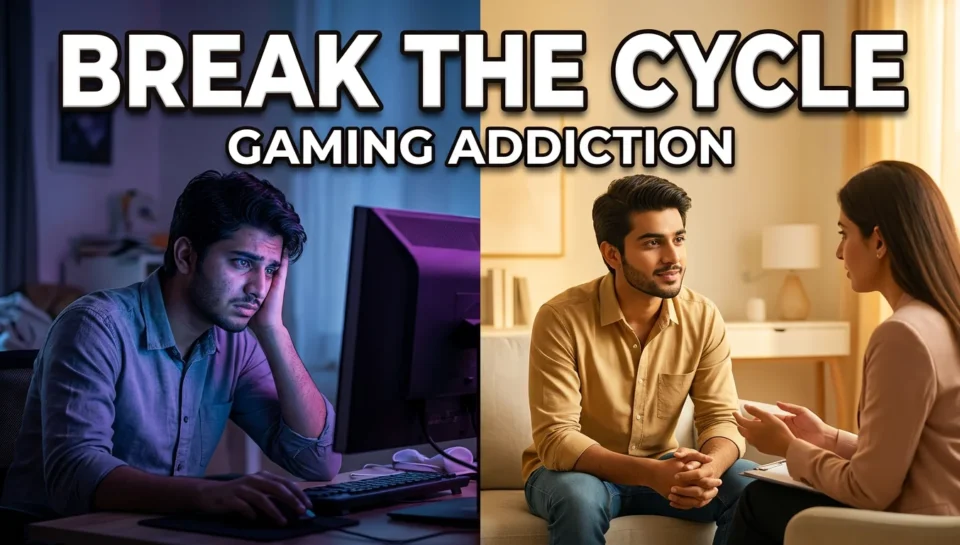
Gaming addiction, also known as video game addiction, is a behavioral disorder characterized by compulsive and excessive gaming that interferes with personal, social, academic, and professional life.
Common signs include:
- Spending excessive hours gaming and neglecting responsibilities
- Irritability, anxiety, or mood swings when not gaming
- Decline in academic or work performance
- Social withdrawal and isolation
- Neglect of personal hygiene and health
Early identification of these symptoms is essential for timely intervention at a Rehabilitation centre in Islamabad or Rehabilitation centre in Rawalpindi.
Why Gaming Addiction Treatment Is Important
Gaming addiction is not just a habit, it is a behavioral health condition that can lead to serious consequences, including:
- Anxiety, depression, and chronic stress
- Poor academic and job performance
- Strained family and social relationships
- Sedentary lifestyle and physical health issues
Professional care at a Psychiatric treatment centre or Addiction treatment centre helps individuals regain control and rebuild a healthy lifestyle.
Services Offered at Gaming Addiction Treatment Centers
Specialized rehabilitation facilities such as Hayat Rehab Clinic Islamabad provide personalized and structured recovery programs.
1. Assessment and Diagnosis
- Evaluation of gaming addiction severity
- Screening for co-occurring mental health conditions
2. Individual Therapy
- One-on-one counseling sessions
- Identification of triggers and behavioral patterns
- Development of coping strategies
3. Group Therapy
- Peer support and shared experiences
- Improved communication and social interaction
- Encouragement and accountability
4. Family Counseling
- Education about gaming addiction
- Improved family understanding and support
- Strengthening home environment for recovery
5. Behavioral Therapy
- Cognitive Behavioral Therapy (CBT) to modify gaming habits
- Development of healthy routines and life skills
6. Aftercare Planning
- Continued follow-up and support
- Relapse prevention strategies
- Long-term lifestyle guidance
Why Choose a Professional Rehab Centre in Islamabad
A trusted Rehab centre in Islamabad provides:
- Qualified therapists for behavioral addictions
- Confidential and supportive treatment environment
- Holistic approach including therapy and lifestyle coaching
- Family involvement in recovery
- Easy access for patients from Islamabad and Rawalpindi
Choosing the Best rehab centre in Islamabad ensures safe and effective recovery.
Steps to Take If Gaming Addiction Is Suspected
If you or a loved one is struggling with gaming addiction, take the following steps:
- Acknowledge the problem
- Seek professional help from a Rehabilitation centre near me
- Participate in therapy sessions
- Build structured daily routines
- Involve family members for support and accountability
Conclusion
Gaming addiction is a growing concern, especially among youth and young adults. However, with early intervention and professional treatment, recovery is absolutely possible.
Specialized facilities such as a Drug rehab centre, Psychiatric treatment centre in Islamabad provide structured care, therapy, and long-term support to help individuals regain control and lead a balanced life.
Take the First Step
📞 Call Now: +92-340-1531-371
🌐 Visit: www.hrci.pk