
Introduction
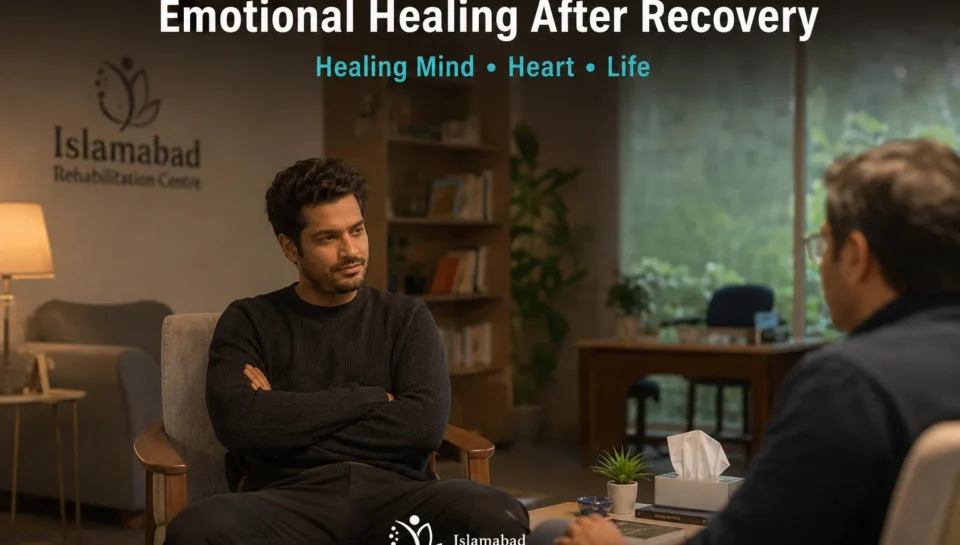
Recovery is a major achievement, but it is only the beginning of a long-term healing process. After overcoming addiction or mental health challenges, many individuals continue to face emotional pain, unresolved trauma, and inner conflict. Emotional healing after recovery focuses on rebuilding self-worth, restoring relationships, and developing a balanced and meaningful life.
At a professional Rehabilitation centre in Islamabad, emotional healing is considered an essential part of long-term addiction recovery and relapse prevention.
Understanding Emotional Healing After Recovery
Emotional healing is the process of working through past pain, guilt, shame, and trauma while building healthier coping mechanisms. During addiction, emotions are often suppressed. After recovery, these emotions may resurface and need to be addressed in a safe and structured way.
Healing does not mean forgetting the past. It means understanding it, learning from it, and not allowing it to control your future.
Step 1: Acknowledge Your Emotions
The first step in emotional healing is accepting your feelings without judgment.
- Accept emotions as part of the recovery process
- Avoid suppressing sadness, anger, or fear
- Practice self-compassion instead of self-criticism
Acknowledging emotions reduces their intensity and helps build emotional stability.
Step 2: Address Past Trauma
Unresolved trauma is often a key factor behind addiction and emotional distress. Healing requires professional support and safe emotional processing.
At a trusted Addiction treatment centre or Psychiatric treatment centre, trauma-focused care may include:
- Trauma-informed therapy
- Individual counseling
- Group therapy sessions
- Safe emotional expression techniques
Processing trauma reduces triggers and supports long-term recovery stability.
Step 3: Rebuild Self-Worth and Identity
Addiction often damages confidence and self-image. Recovery provides a chance to rediscover identity and rebuild self-esteem.
- Set realistic personal goals
- Celebrate small achievements
- Practice positive self-talk
Strengthening self-worth improves emotional resilience and confidence.
Step 4: Restore Relationships
Addiction can damage trust and family connections. Emotional healing includes rebuilding relationships with honesty and patience.
- Communicate openly and respectfully
- Rebuild trust gradually
- Respect personal and emotional boundaries
Healthy relationships provide strong emotional support during recovery at a Rehab centre in Islamabad or Rehabilitation centre in Rawalpindi.
Step 5: Develop Healthy Coping Skills
Learning new ways to manage emotions is essential for long-term recovery.
- Mindfulness and meditation
- Regular physical activity
- Journaling or creative expression
- Breathing and grounding exercises
These coping tools reduce emotional stress and prevent relapse.
Step 6: Build Structure and Purpose
A structured routine helps restore stability and direction in life.
- Create consistent daily routines
- Pursue education, work, or volunteering
- Set long-term personal goals
Purpose replaces old destructive habits with meaningful direction.
Step 7: Seek Ongoing Support
Emotional healing is not a journey that should be faced alone. Continued support is essential.
- Support groups
- Therapy and counseling
- Trusted friends or mentors
At a Drug rehab centre or Alcohol treatment centre, ongoing support strengthens recovery outcomes and emotional resilience.
When Healing Feels Difficult
Healing is not a straight path. Some days will feel easier than others, and setbacks are a normal part of recovery. Progress is measured by awareness, growth, and persistence—not perfection.
Asking for help is a sign of strength, not weakness.
Why Choose HRCI Clinic?
At HRCI Clinic, we provide comprehensive and compassionate care as a leading Best rehab centre in Islamabad. Our services include:
- Addiction treatment programs
- Psychiatric treatment support
- Individual and group therapy
- Emotional healing and trauma care
- Relapse prevention planning
- Holistic rehabilitation approaches
Conclusion
Emotional healing after recovery is a journey of growth, self-discovery, and renewal. By addressing emotions, healing trauma, rebuilding relationships, and developing healthy habits, individuals can create a stable and meaningful life.
Recovery opens the door, but emotional healing helps you truly move forward.
Take the First Step Today
Ready to begin your recovery journey?
📞 Call Now: +92 340 1531 371
🌐 Visit: www.hrci.pk