
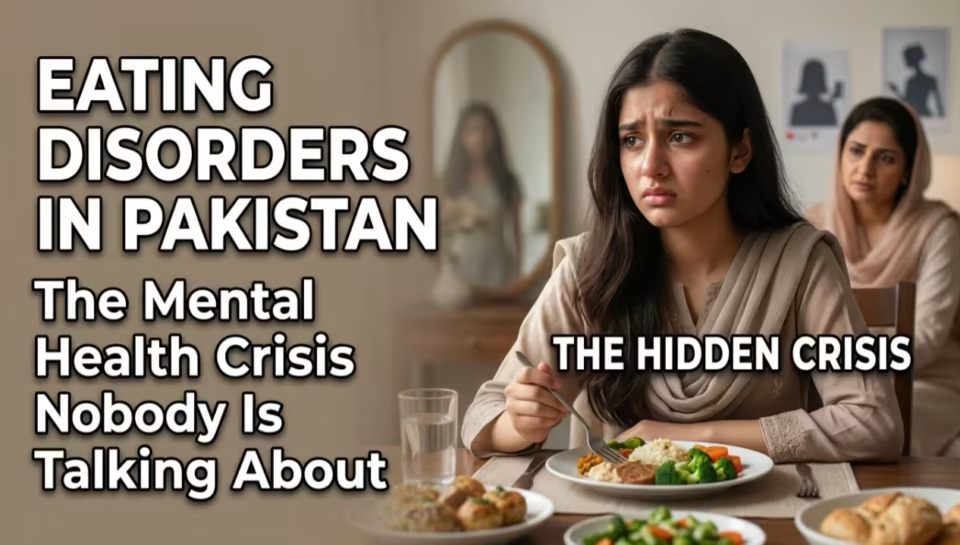
Eating Disorders in Pakistan: The Mental Health Crisis Nobody Is Talking About
Eating disorders are often misunderstood in Pakistan, where concerns about food, weight, body image, and family expectations can be dismissed as normal behavior. But when restrictive eating, binge eating, purging, or an intense fear of weight gain begins affecting someone’s health and daily life, it may be a serious mental health condition requiring professional help.
Eating disorders can affect teenagers, young adults, and older people of any gender or body size. They are not simply about food or appearance. They are complex mental health conditions that can affect the brain, heart, digestive system, hormones, and overall quality of life.
In Pakistan, the problem can be especially difficult to recognize because many families are unfamiliar with eating disorders. Some symptoms may be hidden, while others may be mistaken for dieting, stress, weakness, or “picky eating.”
This article explains the most common eating disorders, warning signs, possible causes, health risks, treatment options, and how Pakistani families can support someone who may be struggling.
What Are Eating Disorders?
Eating disorders are serious mental health conditions involving persistent disturbances in eating behavior, thoughts about food, body weight, or body shape.
They can cause significant physical and emotional harm when left untreated.
Common eating disorders include:
- Anorexia nervosa
- Bulimia nervosa
- Binge-eating disorder
- Avoidant/restrictive food intake disorder (ARFID)
- Other specified feeding or eating disorders
Each condition is different, and a person does not need to be extremely underweight to have an eating disorder.
Why Eating Disorders Are Often Hidden in Pakistan
One reason eating disorders may go unnoticed is that many people associate them only with being very thin.
This is not accurate.
A person with an eating disorder may appear to have a normal body weight or may be overweight. The problem is often hidden in their thoughts, behaviors, and relationship with food.
Cultural expectations can also make conversations about body image and mental health difficult.
A young person may be afraid of being criticized by parents or relatives, while families may worry about social judgment.
This can lead to delayed professional assessment.
Social Media and Body Image
Social media has changed how young people see themselves.
Instagram, TikTok, YouTube, and other platforms constantly expose users to edited photographs, fitness content, dieting advice, and unrealistic beauty standards.
Young people may compare themselves with influencers or celebrities without realizing that many online images are carefully selected, edited, filtered, or professionally produced.
Repeated comparison can contribute to:
- Poor body confidence
- Negative self-image
- Excessive dieting
- Fear of weight gain
- Obsessive exercise
- Anxiety about appearance
Social media is not the only cause of eating disorders, but it can contribute to unhealthy attitudes toward food and body image in vulnerable individuals.
Anorexia Nervosa
Anorexia nervosa is characterized by restriction of food intake, intense fear of gaining weight, and a disturbed perception of body weight or shape.
Someone with anorexia may severely restrict food despite being hungry.
Possible warning signs include:
- Skipping meals regularly
- Avoiding certain food groups
- Excessive concern about calories
- Frequent weighing
- Fear of gaining weight
- Exercising excessively
- Wearing loose clothing to hide weight loss
- Becoming socially withdrawn
Because weight loss can become medically dangerous, anorexia requires professional assessment and treatment.
Bulimia Nervosa
Bulimia nervosa involves repeated episodes of binge eating followed by behaviors intended to compensate for the food consumed.
Compensatory behaviors may include vomiting, excessive exercise, fasting, or misuse of certain substances.
A person with bulimia may maintain an average body weight, making the condition difficult for family members to recognize.
Possible signs include:
- Eating unusually large amounts of food
- Feeling unable to control eating
- Frequently going to the bathroom after meals
- Secretive eating
- Excessive concern about weight
- Repeated dieting
- Tooth or throat problems
Bulimia can cause serious medical complications and should not be ignored.
Binge-Eating Disorder
Binge-eating disorder involves repeated episodes of consuming unusually large amounts of food while experiencing a feeling of loss of control.
Unlike bulimia, binge-eating disorder does not routinely involve purging or other compensatory behaviors.
After an episode, a person may experience shame, guilt, or embarrassment.
Common signs include:
- Eating very quickly
- Eating when not physically hungry
- Eating alone or secretly
- Feeling unable to stop
- Feeling guilty afterward
Binge eating is not the same as occasionally eating too much.
The repeated loss of control and emotional distress are important warning signs.
ARFID: When Eating Becomes Extremely Restricted
Avoidant/restrictive food intake disorder, commonly known as ARFID, involves significant restriction or avoidance of food.
Unlike anorexia, the restriction is not primarily driven by fear of gaining weight or concerns about body shape.
Someone with ARFID may avoid foods because of:
- Texture
- Smell
- Taste
- Fear of choking
- Fear of vomiting
- Lack of interest in eating
It can lead to nutritional deficiencies and problems with growth, particularly in children and teenagers.
Warning Signs Parents Should Watch For
Eating disorders can develop gradually.
Parents should pay attention to changes in eating habits, mood, and behavior rather than focusing only on weight.
Potential warning signs include:
- Frequently skipping meals
- Eating alone or hiding food
- Sudden food restrictions
- Obsessive calorie counting
- Frequent bathroom visits after meals
- Excessive exercise
- Constant body checking
- Avoiding social events involving food
- Sudden mood changes
- Increasing anxiety around meals
- Unexplained weight changes
One sign alone does not confirm an eating disorder, but several changes occurring together deserve professional attention.
Physical Effects of Eating Disorders
Eating disorders can affect almost every part of the body.
Depending on the condition and severity, complications may include:
- Malnutrition
- Dehydration
- Electrolyte problems
- Weakness and fatigue
- Digestive problems
- Hormonal changes
- Bone weakness
- Heart rhythm abnormalities
- Kidney problems
- Reduced immune function
In severe cases, eating disorders can become life-threatening.
This is why they should be treated as medical and mental health conditions rather than simply “bad eating habits.”
Mental Health Effects
Eating disorders are closely connected with emotional well-being.
A person may experience:
- Anxiety
- Depression
- Low self-esteem
- Shame
- Social isolation
- Irritability
- Obsessive thoughts about food
- Fear of gaining weight
Some individuals may also experience other mental health conditions at the same time.
This makes a complete mental health assessment important.
Can Eating Disorders Affect Boys and Men?
Yes.
Eating disorders do not affect only girls and women.
Boys and men can also develop anorexia, bulimia, binge-eating disorder, or other eating problems.
However, social expectations about masculinity may make some males less likely to discuss their symptoms or seek help.
Families should take changes in eating behavior seriously regardless of gender.
Why Teenagers May Be at Higher Risk
Adolescence is a period of major physical, emotional, and social development.
Teenagers may experience pressure related to:
- Appearance
- School performance
- Friendships
- Social media
- Sports
- Family expectations
- Puberty and body changes
A teenager who suddenly becomes extremely concerned about weight or food may need support rather than criticism.
Parents should focus on health and well-being rather than making negative comments about body size.
The Connection Between Eating Disorders and Addiction
Eating disorders and substance use disorders can sometimes occur together.
Some individuals may use alcohol or drugs to cope with anxiety, shame, depression, or body-image concerns.
Others may develop unhealthy behaviors involving food alongside another addiction.
When both conditions occur, treatment should address both rather than focusing on only one problem.
A qualified Psychiatric treatment centre or Addiction treatment centre can assess whether additional mental health or substance-use treatment is required.
How Are Eating Disorders Treated?
Treatment depends on the type and severity of the eating disorder.
A professional treatment plan may involve several specialists working together.
This can include:
- Psychiatric assessment
- Psychological therapy
- Nutritional counseling
- Medical monitoring
- Family therapy
- Medication when appropriate
- Treatment of co-occurring mental health conditions
The goal is not simply to change someone’s weight.
Treatment focuses on restoring healthy eating patterns, improving mental health, addressing harmful beliefs, and rebuilding a healthier relationship with food.
The Role of Therapy
Psychological therapy is an important part of eating disorder treatment.
Depending on the person’s age and condition, approaches such as Cognitive Behavioral Therapy (CBT), family-based treatment, and other evidence-based therapies may be considered.
Therapy can help individuals understand:
- Why harmful eating behaviors developed
- How thoughts influence eating habits
- How to manage anxiety
- How to cope with difficult emotions
- How to challenge unhealthy beliefs about food and appearance
Treatment should always be individualized.
How Families Can Help
Family support can make a major difference.
The goal is to create a safe environment where the person feels comfortable asking for help.
Families can:
- Listen without judgment
- Avoid comments about weight or appearance
- Encourage professional assessment
- Follow the treatment team’s recommendations
- Support regular meals when advised
- Learn about eating disorders
- Watch for changes in physical or emotional health
Avoid saying things such as “Just eat normally” or “You look fine.”
Even well-intentioned comments can make someone feel misunderstood.
When Should Someone Seek Professional Help?
Professional help should be considered when eating behaviors begin affecting physical health, emotional well-being, school, work, relationships, or everyday life.
Urgent medical attention may be necessary if someone experiences:
- Fainting
- Severe weakness
- Chest pain
- Confusion
- Severe dehydration
- Serious vomiting
- Signs of a medical emergency
Eating disorders can become dangerous even when symptoms are not obvious from appearance.
Finding Mental Health Support in Pakistan
Families in Pakistan may feel uncertain about where to seek help.
A good starting point is a qualified psychiatrist, psychologist, physician, or multidisciplinary mental health service with experience in eating disorders.
People searching for a Psychiatric treatment centre, Rehabilitation centre in Islamabad, Best rehab centre in Islamabad, or Rehabilitation centre in Rawalpindi should ask whether the facility has professionals experienced in eating disorders and co-occurring mental health conditions.
A Drug rehab centre or Alcohol treatment centre may be appropriate when substance use is also part of the person’s clinical picture, but eating disorders require specialized assessment rather than being treated as a substance-use problem alone.
Recovery Is Possible
An eating disorder can make someone feel trapped in a cycle of fear, restriction, binge eating, or shame.
But recovery is possible.
With appropriate medical care, psychological treatment, nutritional support, and family involvement, many people make significant improvements and rebuild a healthier relationship with food.
Recovery may not happen overnight.
There can be difficult periods, but setbacks do not mean that treatment has failed.
The earlier someone receives appropriate support, the better the opportunity to address the condition before serious complications develop.
Breaking the Silence Around Eating Disorders in Pakistan
Eating disorders deserve the same seriousness as other mental health conditions.
Families should not feel ashamed when someone develops an unhealthy relationship with food.
It is not a sign of weakness, poor parenting, or lack of discipline.
It is a health condition that deserves understanding and professional care.
Schools, healthcare professionals, parents, and communities can all play a role in improving awareness.
Talking openly about mental health can make it easier for young people to seek help before their symptoms become severe.
Key Takeaways
- Eating disorders are serious mental and physical health conditions.
- They can affect people of any gender, age, or body size.
- Anorexia, bulimia, binge-eating disorder, and ARFID have different symptoms and treatment needs.
- Social media and unrealistic body standards may contribute to unhealthy body-image concerns.
- Warning signs can include food restriction, binge eating, purging, excessive exercise, and intense fear around food or weight.
- Eating disorders can cause serious complications involving the heart, bones, hormones, kidneys, and other organs.
- Early professional assessment can help prevent complications.
- Family support should focus on understanding, compassion, and professional guidance.
- Recovery is possible with appropriate medical, psychological, and nutritional support.
Final Thoughts
The conversation about mental health in Pakistan is growing, but eating disorders are still rarely discussed openly. Breaking the silence can help families recognize warning signs and seek professional support earlier.
If you or someone you love is struggling with food, body image, binge eating, severe restriction, or other concerning eating behaviors, do not wait for the problem to become severe. Speak with a qualified healthcare or mental health professional for an appropriate assessment.