Introduction
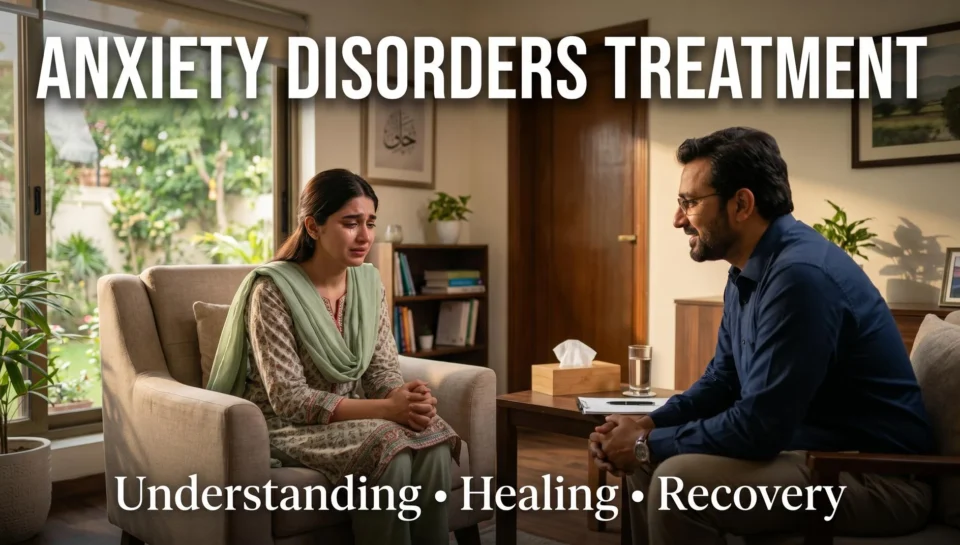
Anxiety is a natural response to stress, but when it becomes persistent, excessive, or begins to interfere with daily life, it may indicate an anxiety disorder. According to the World Health Organization (WHO), anxiety disorders are among the most common mental health conditions worldwide, affecting people of all ages.
Understanding the symptoms, causes, and treatment options is essential for effective management and improved mental well-being, especially with support from a Psychiatric treatment centre or a trusted Rehabilitation centre in Islamabad.
Recognizing the Symptoms of Anxiety
Anxiety can affect emotional, physical, and behavioral health. Identifying symptoms early can help individuals seek timely professional support at a Rehab centre in Islamabad.
Emotional Symptoms:
- Persistent and uncontrollable worry or fear
- Feeling restless, tense, or on edge
- Difficulty concentrating or focusing
- Irritability and mood fluctuations
Physical Symptoms:
- Rapid heartbeat or palpitations
- Shortness of breath or dizziness
- Muscle tension or headaches
- Sweating, trembling, or stomach discomfort
- Fatigue and sleep disturbances
Behavioral Symptoms:
- Avoiding anxiety-triggering situations
- Social withdrawal
- Repetitive or compulsive behaviors (in some cases such as OCD)
Causes and Risk Factors of Anxiety Disorders
Anxiety usually develops due to a combination of biological, psychological, and environmental factors. Common causes include:
- Genetics: Family history of anxiety or mental illness
- Brain chemistry: Imbalance in neurotransmitters like serotonin and dopamine
- Stressful life events: Trauma, loss, or major life changes
- Personality traits: Low self-esteem, perfectionism, or sensitivity to stress
- Medical conditions: Chronic illness, hormonal imbalance, or substance use
Proper evaluation at a Psychiatric treatment centre helps identify underlying causes accurately.
Effective Treatment Options for Anxiety
Anxiety is highly treatable with the right combination of therapy, lifestyle changes, and medical support at a Drug rehab centre or mental health facility.
1. Psychotherapy
- Cognitive Behavioral Therapy (CBT): Helps change negative thinking patterns
- Exposure Therapy: Gradually reduces fear responses
- Mindfulness-Based Therapy: Improves present-moment awareness and stress control
2. Medication (When Required)
- SSRIs and SNRIs: Long-term anxiety management
- Benzodiazepines: Short-term relief under medical supervision
- Beta-blockers: Help control physical symptoms like rapid heartbeat
Medication should always be prescribed by qualified professionals at a Rehabilitation centre Islamabad.
3. Lifestyle and Self-Care
- Regular exercise and balanced nutrition
- Proper sleep and hydration
- Meditation, breathing exercises, and yoga
- Limiting caffeine, alcohol, and stimulants
These habits support long-term emotional stability and recovery.
4. Support Systems
- Guidance from mental health professionals
- Support from family and trusted friends
- Peer or group therapy sessions
- Early intervention to prevent worsening symptoms
Support systems play a key role in recovery at a Rehabilitation centre in Rawalpindi.
When to Seek Professional Help
Professional help should be sought if:
- Anxiety interferes with daily functioning
- Panic attacks occur frequently
- Symptoms persist despite self-care
- Depression or emotional distress develops
Early treatment at a Best rehab centre in Islamabad can significantly improve recovery outcomes.
Conclusion
Anxiety is a common but highly treatable mental health condition. With proper understanding, early intervention, and professional support from a Rehab center islamabad, individuals can regain control, improve emotional stability, and live a healthier, more balanced life.
Take the First Step
📞 Call Now: +92-340-1531-371
🌐 Visit: www.hrci.pk