Introduction Anxiety is a normal response to stress, but when it becomes persistent, excessive, or disruptive, it may indicate an anxiety disorder. According to the World Health Organization, anxiety disorders are among the most common mental health conditions globally, affecting millions of individuals across all age groups. Understanding the symptoms, causes, and treatment options is …


Introduction
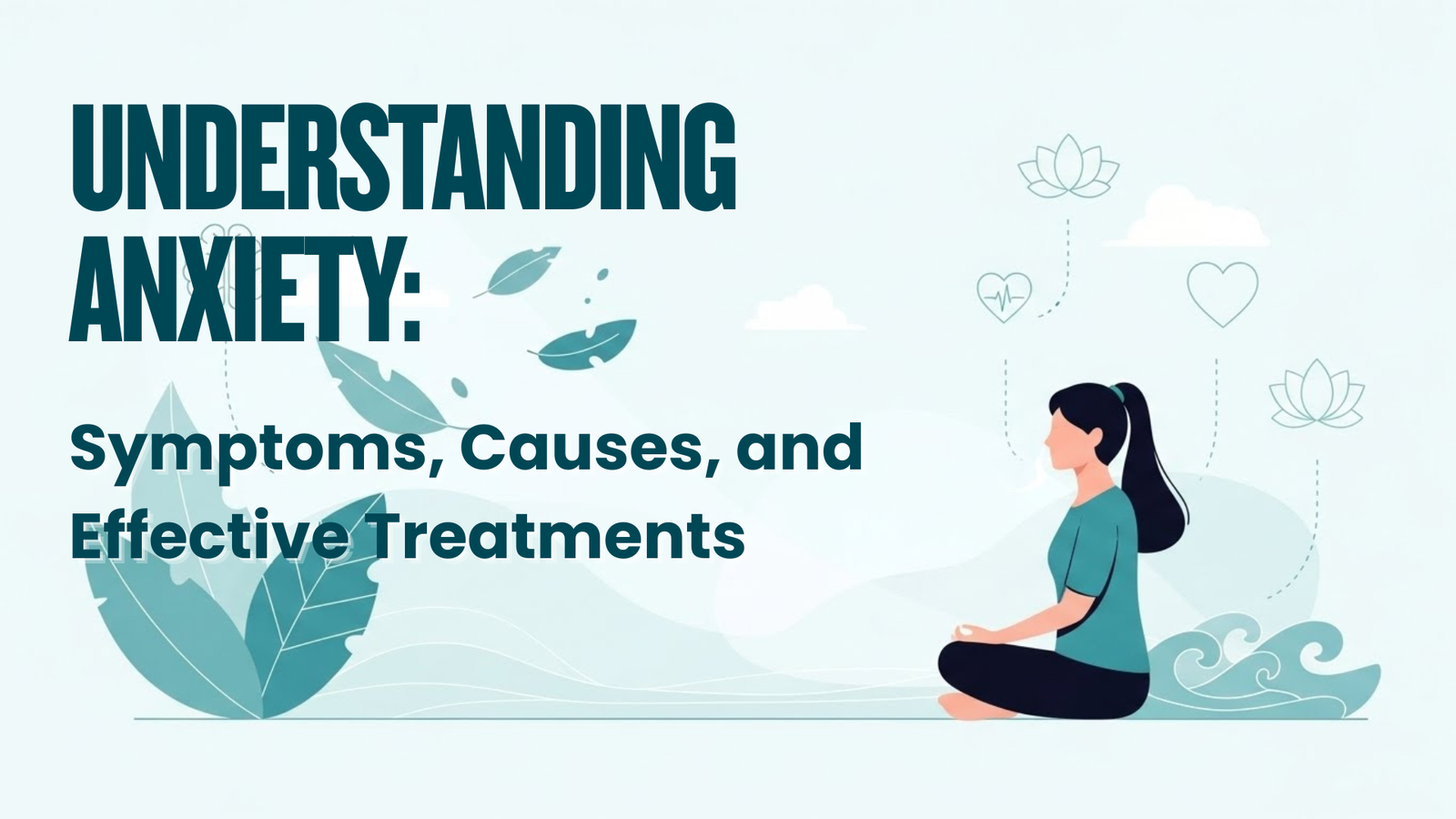
Anxiety is a normal response to stress, but when it becomes persistent, excessive, or disruptive, it may indicate an anxiety disorder. According to the World Health Organization, anxiety disorders are among the most common mental health conditions globally, affecting millions of individuals across all age groups. Understanding the symptoms, causes, and treatment options is essential for managing anxiety effectively and improving overall well-being.
Recognizing the Symptoms of Anxiety
Anxiety can present in multiple forms, often affecting emotional, physical, and behavioral health. Early recognition of symptoms can help individuals seek timely support.
Emotional Symptoms:
-
Persistent worry or fear that is difficult to control
-
Feeling restless, tense, or on edge
-
Difficulty concentrating or maintaining focus
-
Irritability or frequent mood fluctuations
Physical Symptoms:
-
Rapid heartbeat, palpitations, or shortness of breath
-
Muscle tension, headaches, or dizziness
-
Sweating, trembling, or gastrointestinal discomfort
-
Fatigue or sleep disturbances
Behavioral Symptoms:
-
Avoidance of situations that trigger anxiety
-
Withdrawal from social or professional interactions
-
Engagement in repetitive or compulsive behaviors (e.g., in OCD)
Understanding the Causes and Risk Factors
Anxiety disorders often result from a combination of genetic, biological, psychological, and environmental factors. Common contributors include:
-
Genetics: A family history of anxiety or other mental health conditions
-
Brain Chemistry: Imbalances in neurotransmitters such as serotonin and dopamine
-
Stressful Life Events: Trauma, major life changes, or chronic stress
-
Personality Traits: Perfectionism, low self-esteem, or heightened sensitivity
-
Medical Conditions: Chronic illnesses, hormonal imbalances, or substance use
Effective Treatment Options
Anxiety is highly treatable, and a comprehensive approach often yields the best results. Treatment may include psychotherapy, medication, lifestyle changes, and support systems.
1. Psychotherapy
-
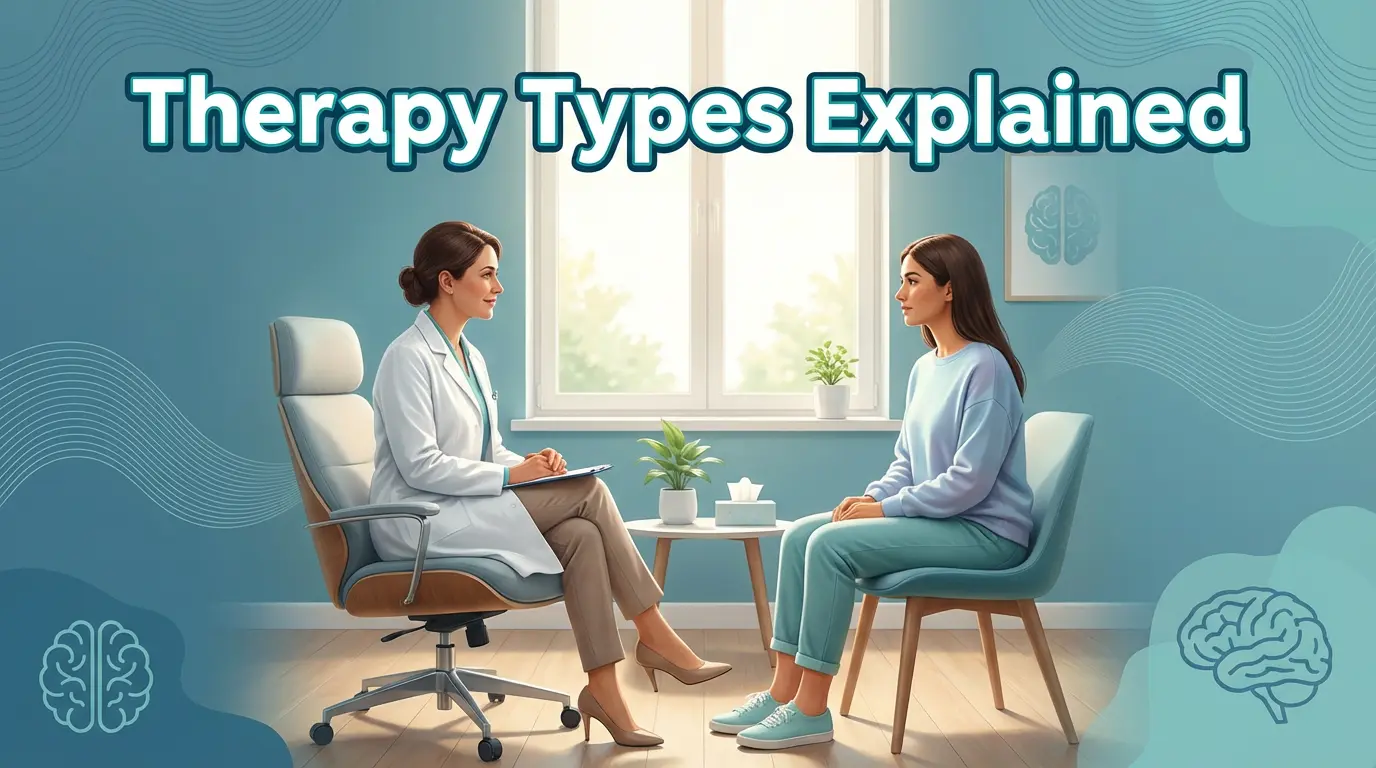
Cognitive Behavioral Therapy (CBT): Helps identify and modify negative thought patterns
-
Exposure Therapy: Gradually reduces fear by controlled exposure to anxiety triggers
-
Mindfulness-Based Therapy: Encourages present-moment awareness to manage stress
2. Medication
-
Antidepressants (SSRIs, SNRIs): Often prescribed for long-term management
-
Benzodiazepines: Used for short-term relief under medical supervision
-
Beta-Blockers: Address physical symptoms such as rapid heartbeat
3. Lifestyle and Self-Care
-
Regular physical activity and a balanced diet
-
Adequate sleep and proper hydration
-
Stress management techniques, including meditation, deep breathing, and yoga
-
Limiting stimulants such as caffeine and alcohol
4. Support Systems
-
Seeking help from mental health professionals
-
Engaging with supportive friends, family, or peer groups
-
Early intervention to prevent worsening symptoms
When to Seek Professional Help
It is important to consult a healthcare professional if:
-
Anxiety significantly interferes with daily functioning
-
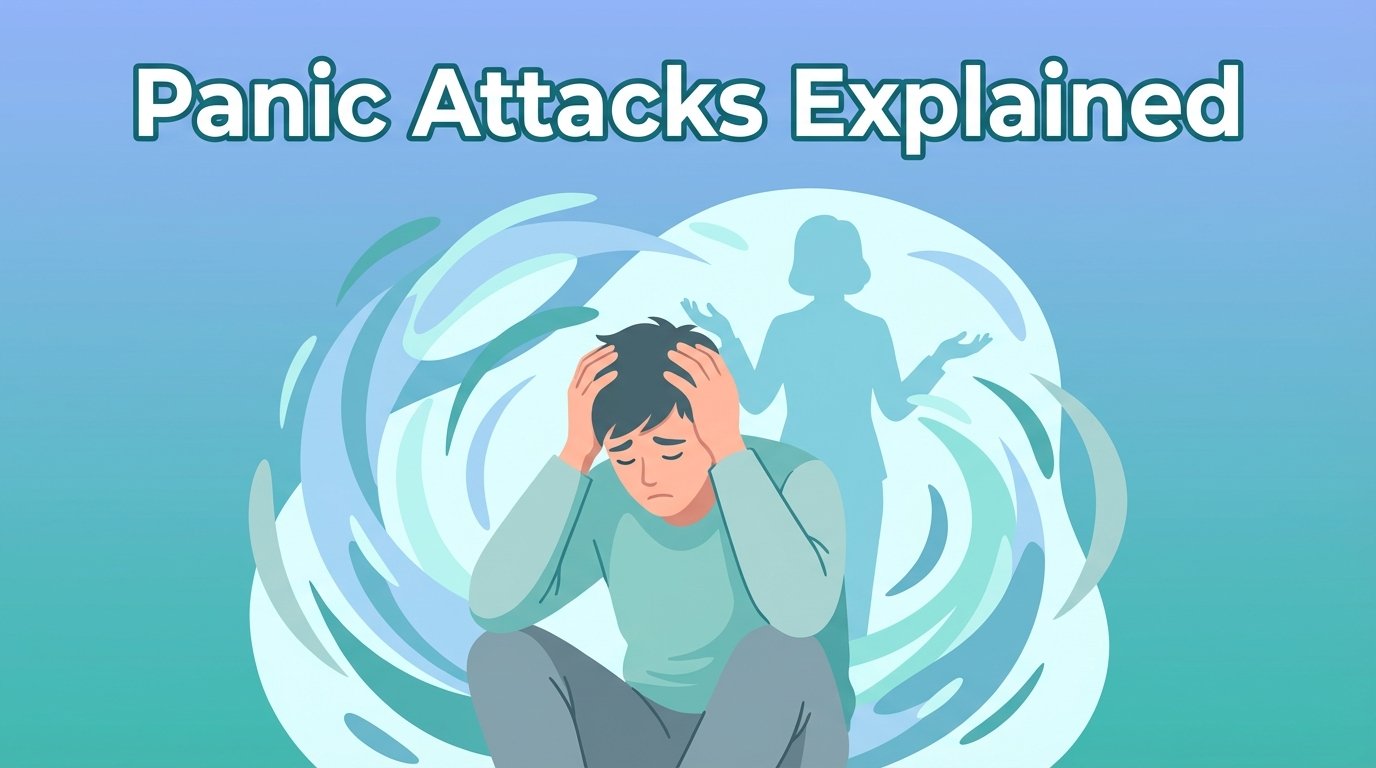
Panic attacks or extreme fear occur frequently
-
Symptoms persist despite self-care measures
-
There are signs of depression or inability to cope
Early intervention and evidence-based treatment can significantly improve quality of life and reduce the long-term impact of anxiety disorders.
Conclusion:
Anxiety is a common and treatable condition. By recognizing symptoms, understanding causes, and pursuing appropriate treatment strategies, individuals can regain control, enhance their mental well-being, and lead fulfilling lives.
 Call Now: 0331-5500090
 Visit: www.hrci.pk