
Introduction
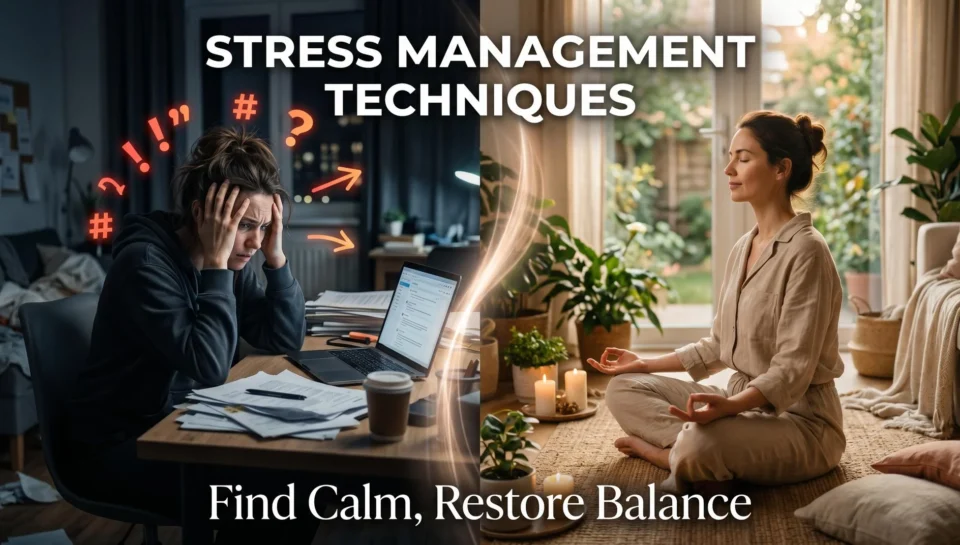
Stress is a normal part of life, but when it becomes constant or overwhelming, it can negatively affect your physical health, emotional well-being, relationships, and overall quality of life.
The good news is that stress can be managed effectively with the right strategies, lifestyle changes, and professional support when needed from a psychiatric treatment centre or rehabilitation centre in Islamabad.
This guide explains practical, science-based stress management techniques to help you regain balance and improve your daily life.
What Is Stress and Why Does It Happen?
Stress is the body’s natural response to pressure, challenges, or perceived threats. When triggered, the body releases hormones like cortisol and adrenaline, preparing a “fight or flight” response.
While short-term stress can be helpful, chronic stress may lead to:
- Anxiety
- Irritability
- Sleep disturbances
- Headaches
- High blood pressure
- Weak immune system
Early recognition is important to prevent long-term health problems.
Proven Stress Management Techniques
1. Practice Mindfulness and Deep Breathing
Mindfulness helps calm the mind and reduce anxiety.
Effective methods include:
- Deep breathing exercises
- Meditation
- Body relaxation techniques
Even a few minutes daily can lower stress levels.
2. Stay Physically Active
Exercise releases endorphins, which naturally improve mood.
Helpful activities include:
- Walking or jogging
- Yoga
- Cycling
- Stretching
- Swimming
Regular movement reduces tension and improves mental clarity.
3. Set Healthy Boundaries
Healthy boundaries protect your mental energy.
- Learn to say no when needed
- Limit screen time
- Avoid overcommitting
- Protect rest time
Boundaries help prevent burnout and emotional exhaustion.
4. Improve Sleep Quality
Poor sleep increases stress, creating a harmful cycle.
To improve sleep:
- Maintain a consistent sleep schedule
- Avoid screens before bed
- Create a calm sleeping environment
- Practice relaxation techniques
Aim for 7–8 hours of quality sleep daily.
5. Eat a Balanced Diet
Nutrition plays an important role in stress management.
Include:
- Fresh fruits and vegetables
- Whole grains
- Nuts and omega-3 rich foods
- Herbal teas
Avoid excess caffeine, sugar, and processed foods.
6. Stay Connected With Others
Social support helps reduce emotional stress.
- Talk to trusted friends or family
- Share your thoughts openly
- Write in a journal if speaking feels difficult
Connection improves emotional stability.
7. Manage Your Time Effectively
Poor time management increases pressure and stress.
Try:
- Breaking tasks into smaller steps
- Setting priorities
- Using planners or apps
- Setting realistic deadlines
A structured routine reduces mental overload.
8. Engage in Relaxing Activities
Hobbies help the mind relax and reset.
Examples include:
- Reading
- Painting
- Music
- Gardening
- Cooking
These activities provide a healthy emotional escape.
9. Seek Professional Support When Needed
If stress becomes constant or affects daily life, professional help is important.
A rehabilitation centre in Rawalpindi or rehab centre in Islamabad can provide counseling, therapy, and structured stress management programs.
Final Thoughts
Stress cannot always be avoided, but it can be managed effectively. With consistent healthy habits, emotional support, and professional care when needed, you can build a calmer and more balanced life.
If stress is affecting your daily functioning, seeking help is a strong and positive step toward recovery.
Contact for Confidential Support
Call Now: +92-340-1531-371
Visit: HRCI Clinic