
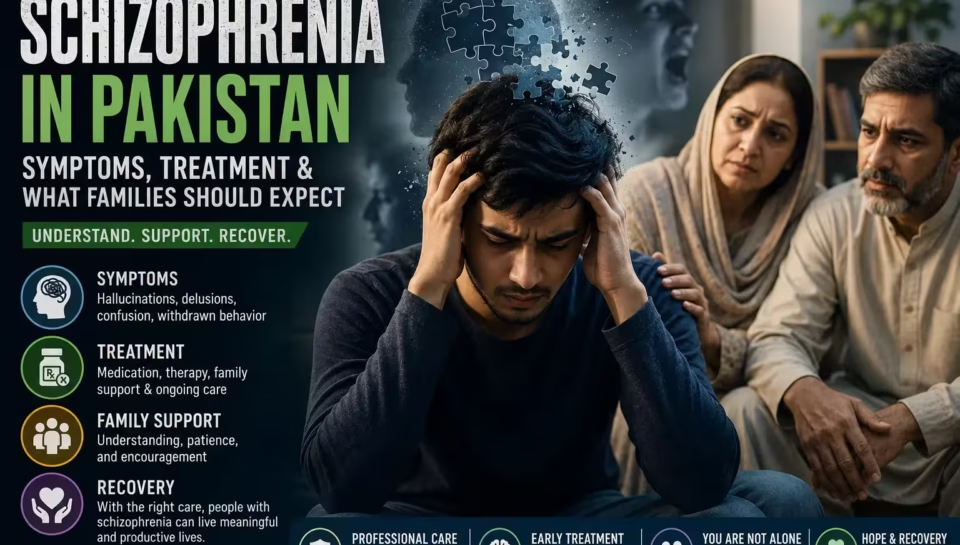
Schizophrenia in Pakistan: Symptoms, Treatment, and What Families Should Expect
Schizophrenia is one of the most misunderstood mental health conditions in Pakistan. Many families mistake its symptoms for stress, spiritual problems, or personality changes, delaying the professional care that can make a significant difference. If you are looking for information about schizophrenia or support from a Best rehab centre in Islamabad, Rehabilitation centre in Islamabad, or Rehab centre Islamabad, this guide will help you understand the condition and the treatment options available. You’ll learn the early symptoms of schizophrenia, available treatment options in Pakistan, and what families can realistically expect during recovery.
Although schizophrenia is a lifelong mental health disorder, many people can live meaningful and productive lives with appropriate treatment, family support, and ongoing care. Understanding the condition is the first step toward reducing stigma and helping those affected receive the support they need.
What Is Schizophrenia?
Schizophrenia is a chronic mental health disorder that affects how a person thinks, feels, behaves, and interprets reality.
It does not mean someone has “multiple personalities.” Instead, schizophrenia can affect perception, emotions, communication, decision-making, and daily functioning.
Symptoms often begin during the late teenage years or early adulthood, although they can appear at other ages.
Without treatment, schizophrenia can interfere with education, employment, relationships, and independent living.
Is Schizophrenia Common in Pakistan?
Like other countries, Pakistan has individuals living with schizophrenia across different age groups and backgrounds.
Unfortunately, many cases remain undiagnosed or untreated due to:
- Limited awareness
- Social stigma
- Fear of judgment
- Delayed psychiatric consultation
- Misunderstanding of symptoms
- Limited access to mental health services in some areas
Early recognition can improve long-term outcomes.
What Causes Schizophrenia?
There is no single cause.
Experts believe schizophrenia develops through a combination of biological, psychological, and environmental factors.
Possible contributing factors include:
- Family history
- Brain chemistry differences
- Brain development differences
- Pregnancy or birth complications
- Significant life stress
- Substance use in vulnerable individuals
Having one or more risk factors does not mean someone will definitely develop schizophrenia.
Early Warning Signs
Many people experience subtle changes before more obvious symptoms appear.
These early warning signs may include:
- Social withdrawal
- Reduced motivation
- Poor concentration
- Difficulty completing daily tasks
- Declining school or work performance
- Sleep disturbances
- Unusual suspiciousness
- Emotional flatness
- Neglecting personal hygiene
These symptoms may develop gradually over weeks or months.
Main Symptoms of Schizophrenia
Mental health professionals generally group symptoms into positive, negative, and cognitive symptoms.
Positive Symptoms
Positive symptoms involve experiences that are added to normal functioning.
Examples include:
- Hallucinations
- Delusions
- Disorganized speech
- Disorganized behavior
Hallucinations
Hallucinations involve sensing something that others do not.
The most common type is hearing voices.
Some people may also experience visual, tactile, or other sensory hallucinations.
Delusions
Delusions are fixed beliefs that remain strong despite evidence showing otherwise.
Examples include believing:
- Someone is spying on them.
- Television programs contain secret messages.
- Family members are plotting against them.
- They possess special powers.
These beliefs can feel completely real to the person experiencing them.
Disorganized Thinking
A person may struggle to organize thoughts.
They may:
- Jump between unrelated topics.
- Give confusing answers.
- Speak in sentences that are difficult to understand.
- Lose track of conversations.
Negative Symptoms
Negative symptoms involve a reduction in normal emotional or behavioral functioning.
These may include:
- Reduced emotional expression
- Lack of motivation
- Social isolation
- Speaking less than usual
- Difficulty enjoying activities
- Reduced self-care
Negative symptoms often have a major impact on daily life.
Cognitive Symptoms
Schizophrenia may also affect thinking skills.
People may experience:
- Poor concentration
- Memory problems
- Difficulty planning
- Trouble making decisions
- Reduced attention span
These symptoms can affect education, employment, and independent living.
How Is Schizophrenia Diagnosed?
There is no single blood test or brain scan that confirms schizophrenia.
Diagnosis involves a comprehensive psychiatric assessment.
A psychiatrist may review:
- Current symptoms
- Medical history
- Family history
- Mental health history
- Substance use
- Physical health
- Daily functioning
Sometimes additional medical tests are recommended to rule out other possible causes.
Conditions That Can Look Similar
Several medical and mental health conditions may produce similar symptoms.
These include:
- Bipolar disorder
- Severe depression with psychotic features
- Substance-induced psychosis
- Certain neurological conditions
- Brain infections
- Severe sleep deprivation
This is why professional assessment is essential.
How Is Schizophrenia Treated?
Treatment is individualized.
Most people benefit from a combination of medication, psychological support, family education, and ongoing follow-up.
Medication
Antipsychotic medications are commonly used to reduce hallucinations, delusions, and other psychotic symptoms.
The choice of medication depends on several factors, including symptom severity, previous treatment response, side effects, and overall health.
Medication should only be taken under medical supervision.
Psychological Therapy
Therapy can help people:
- Understand symptoms
- Manage stress
- Improve communication
- Build coping skills
- Reduce relapse risk
Family education is also an important part of treatment.
Family Support
Families play a major role in recovery.
Helpful approaches include:
- Learning about schizophrenia
- Encouraging medication adherence
- Attending appointments
- Supporting healthy routines
- Recognizing relapse warning signs
- Avoiding criticism or blame
Supportive communication often improves treatment outcomes.
What Should Families Expect?
Recovery is usually a gradual process.
Some people improve within weeks after starting treatment, while others require longer-term care.
Families should expect:
- Regular psychiatric appointments
- Medication adjustments
- Periods of improvement
- Possible setbacks
- Ongoing monitoring
Relapse does not necessarily mean treatment has failed.
It often means the treatment plan needs adjustment.
Can People Recover?
Many people with schizophrenia experience significant improvement.
Recovery does not always mean symptoms disappear completely.
Instead, recovery often means:
- Better symptom control
- Improved quality of life
- Greater independence
- Better relationships
- Returning to education or work
Early treatment is associated with better long-term outcomes.
Warning Signs of Relapse
Families should watch for:
- Increased suspiciousness
- Hearing voices again
- Social withdrawal
- Sleep problems
- Medication refusal
- Mood changes
- Poor self-care
- Increased agitation
Recognizing these changes early allows professional intervention before symptoms become severe.
Schizophrenia and Substance Use
Substance use can worsen schizophrenia symptoms and increase relapse risk.
Alcohol, cannabis, stimulants, and other drugs may interfere with treatment.
People with both schizophrenia and addiction often require integrated treatment addressing both conditions.
A qualified Psychiatric treatment centre, Addiction treatment centre, or Drug rehab centre may provide coordinated care when both conditions occur together.
Living With Schizophrenia in Pakistan
Although challenges remain, many individuals successfully manage schizophrenia with ongoing treatment.
Helpful lifestyle habits include:
- Taking medication as prescribed
- Maintaining regular sleep
- Eating a balanced diet
- Exercising regularly
- Avoiding alcohol and recreational drugs
- Managing stress
- Staying connected with supportive family members
Small daily routines often make a significant difference.
When Should Families Seek Immediate Help?
Immediate medical attention is important if someone:
- Talks about suicide
- Becomes violent
- Cannot distinguish reality
- Stops eating or drinking
- Becomes severely confused
- Experiences severe hallucinations
- Is unable to care for themselves
In an emergency, seek immediate medical assistance or visit the nearest emergency department.
Finding Professional Mental Health Care
Families looking for mental health support should seek qualified psychiatric professionals.
Those searching for a Best rehab centre in Islamabad, Rehabilitation centre in Islamabad, Psychiatric treatment centre, Addiction treatment centre, or Hayat Rehab Center should choose facilities offering comprehensive psychiatric assessment, medication management, therapy, and family support.
Professional treatment is most effective when it combines medical care, psychological support, and long-term follow-up.
Key Takeaways
Schizophrenia is a serious but treatable mental health condition.
Early symptoms often include social withdrawal, suspiciousness, poor concentration, sleep changes, and unusual beliefs.
Professional diagnosis, medication, therapy, and family support can help many people manage symptoms and improve their quality of life.
Families should learn to recognize relapse warning signs and encourage ongoing treatment rather than waiting until symptoms become severe.