
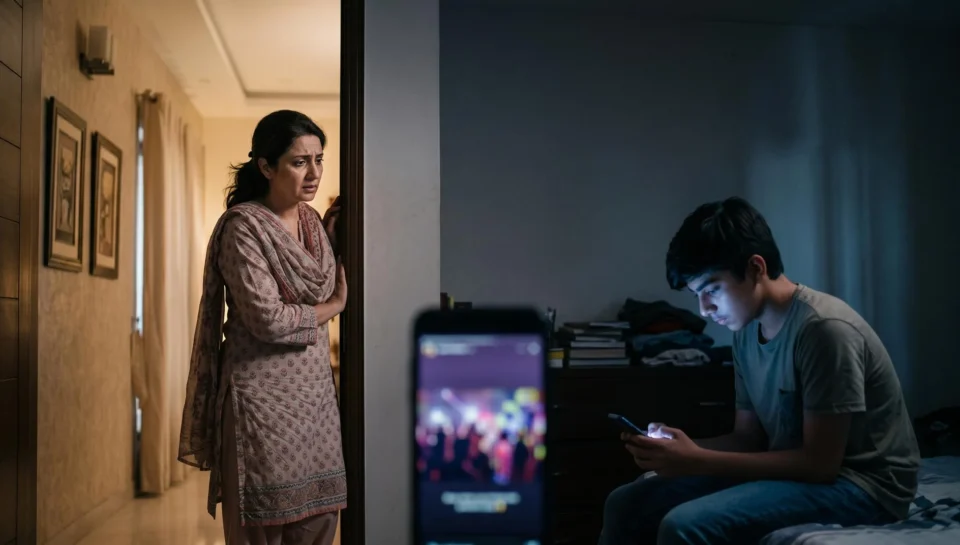
Social media has transformed how young people communicate, learn, and express themselves. Platforms built around trends, short-form videos, influencers, and online validation now shape daily behaviour and emotional well-being. While these platforms offer entertainment and connection, they also expose young users to harmful influences including drug and alcohol culture.
In Islamabad and Rawalpindi, many families are becoming increasingly concerned about substance use among teenagers and young adults. Parents searching for the best rehab center in Islamabad or a trusted rehabilitation center often ask the same question: How did this begin?
In many cases, social media plays a significant role.
This article explores how social media contributes to youth drug use, why adolescents are especially vulnerable, and how early support from a qualified addiction treatment center or psychiatric treatment center can help young people recover safely and confidently.
How Social Media Shapes Youth Attitudes Toward Drugs
Social media does not directly cause addiction, but it can normalize and glamorize risky behaviours in ways that gradually influence decision-making.
Constant Exposure and Normalization
Young users are repeatedly exposed to:
- Party culture videos portraying drugs and alcohol as exciting or harmless
- Influencers casually discussing substance use
- Viral memes that joke about addiction or intoxication
- Online trends that encourage risky behaviour
Over time, this repeated exposure can reduce fear and increase curiosity about experimenting with substances.
For adolescents already struggling with emotional stress, loneliness, anxiety, or identity confusion, this normalization lowers psychological resistance toward drug or alcohol use.
Peer Validation and Digital Pressure
Likes, comments, and shares function as social approval in online environments. When substance-related content gains attention, it sends a message that the behaviour is socially accepted.
This type of digital peer pressure can be extremely influential, sometimes even stronger than real-life social influence. Young people may feel pressured to imitate behaviours simply to fit in or gain approval online.
Why Young People Are More Vulnerable
Adolescence and early adulthood are critical stages of brain development. Areas responsible for impulse control, emotional regulation, and long-term decision-making are still maturing.
Because of this, youth are naturally more vulnerable to experimentation and risk-taking behaviors.
Mental Health, Escapism, and Emotional Stress
Social media can intensify several emotional challenges, including:
- Anxiety and depression
- Fear of missing out (FOMO)
- Low self-esteem
- Social comparison
- Identity confusion
Some young individuals begin using substances as a coping mechanism to escape emotional discomfort or stress.
Without early support from a professional psychiatric treatment center, occasional experimentation can quickly develop into dependency.
Algorithm-Driven Content Loops
Social media platforms are designed to recommend similar content based on user engagement.
A teenager who watches one video about partying or substance use may soon receive dozens of related videos. This repeated exposure reinforces unhealthy behaviour and limits access to healthier perspectives.
Over time, these algorithm-driven loops can make risky behaviour appear normal and widespread.
From Experimentation to Addiction
Many addictions begin with curiosity, peer influence, or occasional social use. Families often underestimate how quickly dependency can develop.
Early Warning Signs Parents Often Miss
Common warning signs include:
- Sudden mood swings
- Increased secrecy
- Changes in sleep or appetite
- Declining academic performance
- Isolation from family activities
- Loss of motivation or concentration
By the time these signs become obvious, professional help from a drug rehab center or rehab center in Islamabad may already be necessary.
The Role of Accessibility
Social media can also indirectly increase access to substances by connecting users with peer networks where drugs or alcohol are easier to obtain.
This increased accessibility raises the likelihood of repeated use and long-term dependency.
Why Early Treatment Matters in Islamabad & Rawalpindi
When addiction intersects with emotional or psychological struggles, recovery requires more than willpower. It requires structured, evidence-based, and compassionate care.
Benefits of Choosing Local Treatment
Selecting a rehabilitation center near me offers several advantages:
- Stronger family involvement
- Better cultural understanding
- Easier long-term follow-up
- Improved continuity of care
- Faster access during crises
A reputable rehabilitation center in Islamabad understands the academic pressures, social expectations, and digital influences affecting youth in this region.
Integrated Care for Long-Term Recovery
The most effective addiction treatment center programs combine multiple approaches, including:
- Medical detoxification when necessary
- Individual counseling
- Family therapy
- Psychiatric support
- Behavioural therapy
- Relapse prevention planning
For adolescents struggling specifically with alcohol misuse, a specialized alcohol treatment center can provide age-appropriate and evidence-based care.
How Families Can Reduce Negative Social Media Influence
Professional treatment is essential when addiction develops, but prevention often begins at home.
Practical Steps for Parents and Guardians
Parents can help by:
- Maintaining open and non-judgmental conversations
- Teaching youth about misinformation online
- Encouraging healthy offline hobbies
- Supporting sports, creative activities, and real-world friendships
- Monitoring screen time respectfully and consistently
When concerns continue, consulting a rehab center in Islamabad for an early assessment can provide guidance before substance use becomes severe.
Building Digital Resilience
Teaching critical thinking skills helps young people question harmful online trends and resist peer pressure.
Digital resilience is one of the strongest protective factors against substance abuse in today’s online environment.
Recovery Is Possible With the Right Support
Addiction is a complex health condition influenced by emotional, social, and environmental factors including social media exposure.
The encouraging reality is that recovery is possible with timely intervention and professional support.
Modern rehabilitation programs focus not only on stopping substance use but also on:
- Healing emotional trauma
- Strengthening coping skills
- Rebuilding confidence
- Restoring family relationships
- Supporting long-term mental wellness
With support from the best rehab center in Islamabad or a trusted rehabilitation center, young people can regain stability and build a healthier future.
Conclusion
Social media is now a permanent part of youth culture. While it offers connection and entertainment, it can also normalize dangerous behaviours and increase the risk of substance abuse among vulnerable young people.
Awareness allows families to recognize warning signs early and seek support before addiction becomes severe.
If you are concerned about a loved one or simply want professional guidance, contacting a qualified addiction treatment center or psychiatric treatment center in Islamabad or Rawalpindi can be an important first step toward recovery.
Healing begins with understanding, early intervention, and compassionate care.