Introduction Trauma is a deeply distressing experience that can leave lasting emotional and psychological scars. As a result of events such as abuse, violence, accidents, loss, or ongoing stress, trauma can disrupt how the brain processes emotions, manages stress, and perceives safety. Over time, if trauma remains unaddressed, it significantly increases the risk of developing …


Introduction
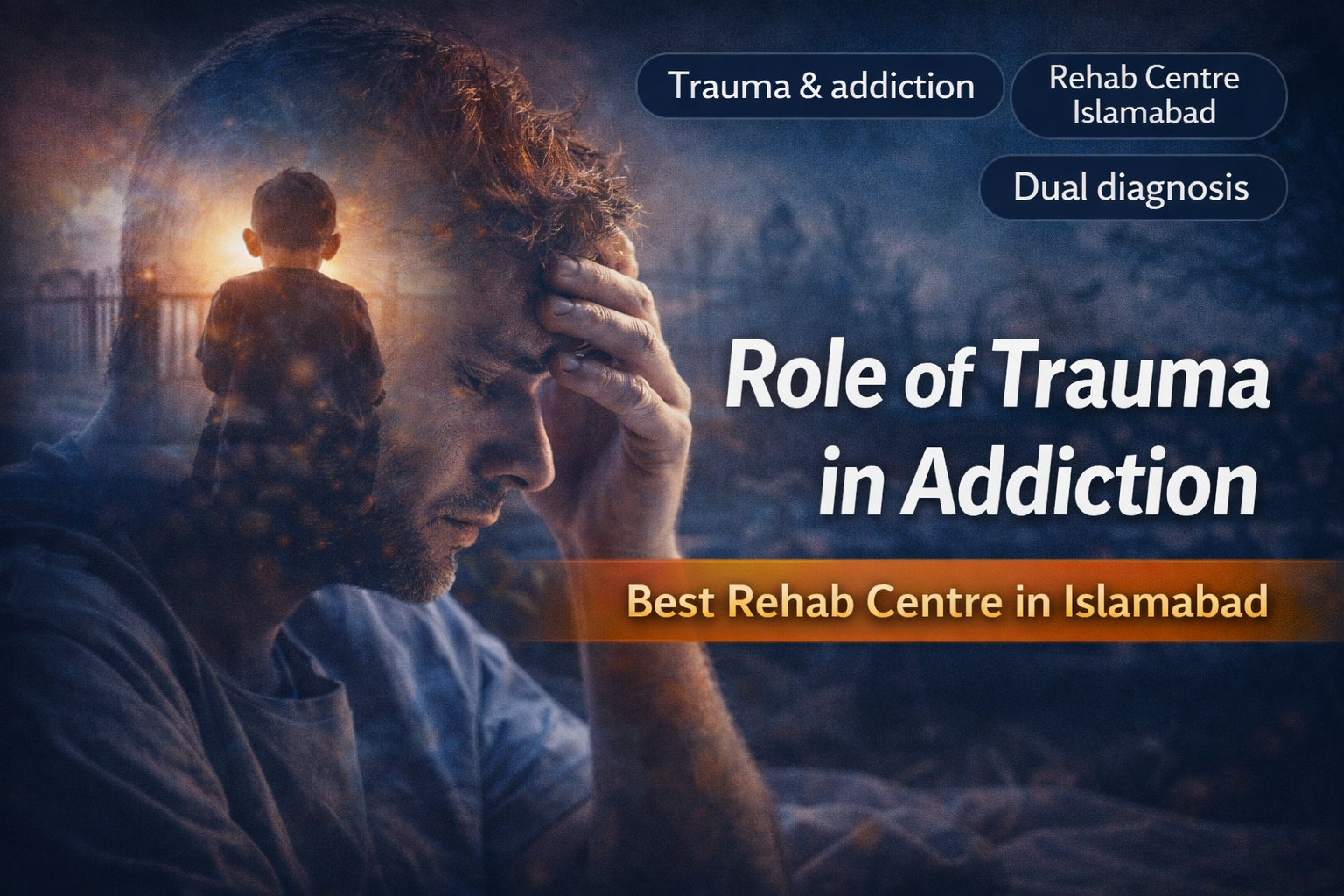
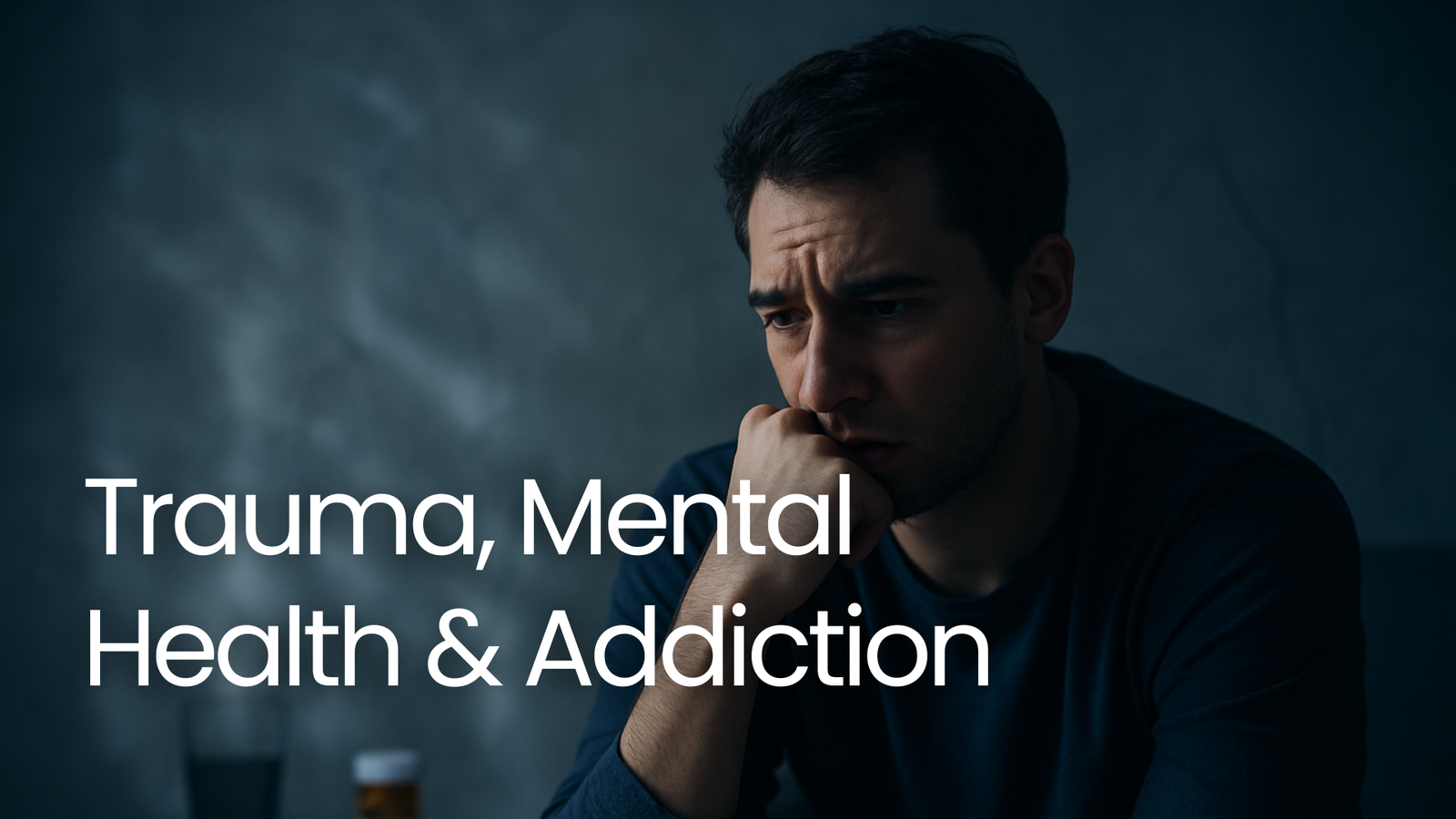
Trauma is a deeply distressing experience that can leave lasting emotional and psychological scars. As a result of events such as abuse, violence, accidents, loss, or ongoing stress, trauma can disrupt how the brain processes emotions, manages stress, and perceives safety. Over time, if trauma remains unaddressed, it significantly increases the risk of developing mental health disorders and substance addiction.
Understanding the connection between trauma, mental health, and addiction is essential for effective healing and long-term recovery.
What Is Trauma?
Trauma is an emotional response to a disturbing or life-threatening event that overwhelms a person’s ability to cope. Trauma can be:
-
Acute – a single event (accident, assault)
-
Chronic – repeated exposure (abuse, neglect)
-
Complex – long-term trauma, often beginning in childhood
Trauma affects both the mind and the body, altering how individuals respond to stress and emotions.
How Trauma Affects Mental Health
1. Anxiety Disorders
Trauma can cause persistent fear, panic attacks, and hypervigilance, making everyday situations feel unsafe.
2. Depression
Unresolved trauma often leads to feelings of hopelessness, emotional numbness, guilt, and loss of interest in life.
3. Post-Traumatic Stress Disorder (PTSD)
PTSD includes flashbacks, nightmares, emotional triggers, and avoidance behaviors that interfere with daily functioning.
4. Emotional Dysregulation
Trauma disrupts the brain’s ability to manage emotions, leading to mood swings, anger, or emotional shutdown.
The Link Between Trauma and Addiction
1. Self-Medication
Many individuals turn to drugs or alcohol to numb emotional pain, reduce anxiety, or escape traumatic memories.
2. Brain Chemistry Changes
Trauma alters stress hormones and reward pathways in the brain, increasing vulnerability to substance dependence.
3. Avoidance Coping
Substance use becomes a way to avoid confronting painful emotions or memories linked to trauma.
4. Increased Risk of Relapse
Without trauma-focused treatment, individuals in recovery are more likely to relapse when triggered.
Common Substances Used After Trauma
-
Alcohol
-
Prescription sedatives
-
Opioids
-
Cannabis
-
Stimulants
While these substances may offer temporary relief, they worsen mental health symptoms and increase addiction risk.
The Trauma–Addiction Cycle
-
Trauma causes emotional pain
-
Substance use provides short-term relief
-
Dependence develops
-
Mental health worsens
-
Trauma symptoms intensify
Breaking this cycle requires addressing trauma and addiction together.
Healing Trauma and Addiction Together
1. Trauma-Informed Therapy
Approaches such as CBT, EMDR, and trauma-focused counseling help process traumatic experiences safely.
2. Mental Health Support
Treating anxiety, depression, or PTSD improves emotional stability and reduces reliance on substances.
3. Safe & Structured Rehabilitation
Integrated rehab programs address both psychological trauma and addiction recovery.
4. Building Healthy Coping Skills
Mindfulness, grounding techniques, journaling, and support groups help regulate emotions naturally.
When to Seek Professional Help
You should seek help if trauma-related symptoms or substance use:
-
Affect daily life
-
Cause emotional numbness or distress
-
Lead to dependence or withdrawal
-
Trigger isolation or risky behaviors
Early support leads to better outcomes.
Conclusion
Trauma has a powerful impact on mental health and addiction but recovery is possible. With trauma-informed care, emotional support, and professional treatment, individuals can heal from past experiences and build a healthier, substance-free life.
Healing begins by addressing the root cause, not just the symptoms.
Ready to take the first step toward recovery?
Contact our specialists today for confidential help and personalized treatment.
 Call Now: 0331-5500090
 Visit: www.hrci.pk