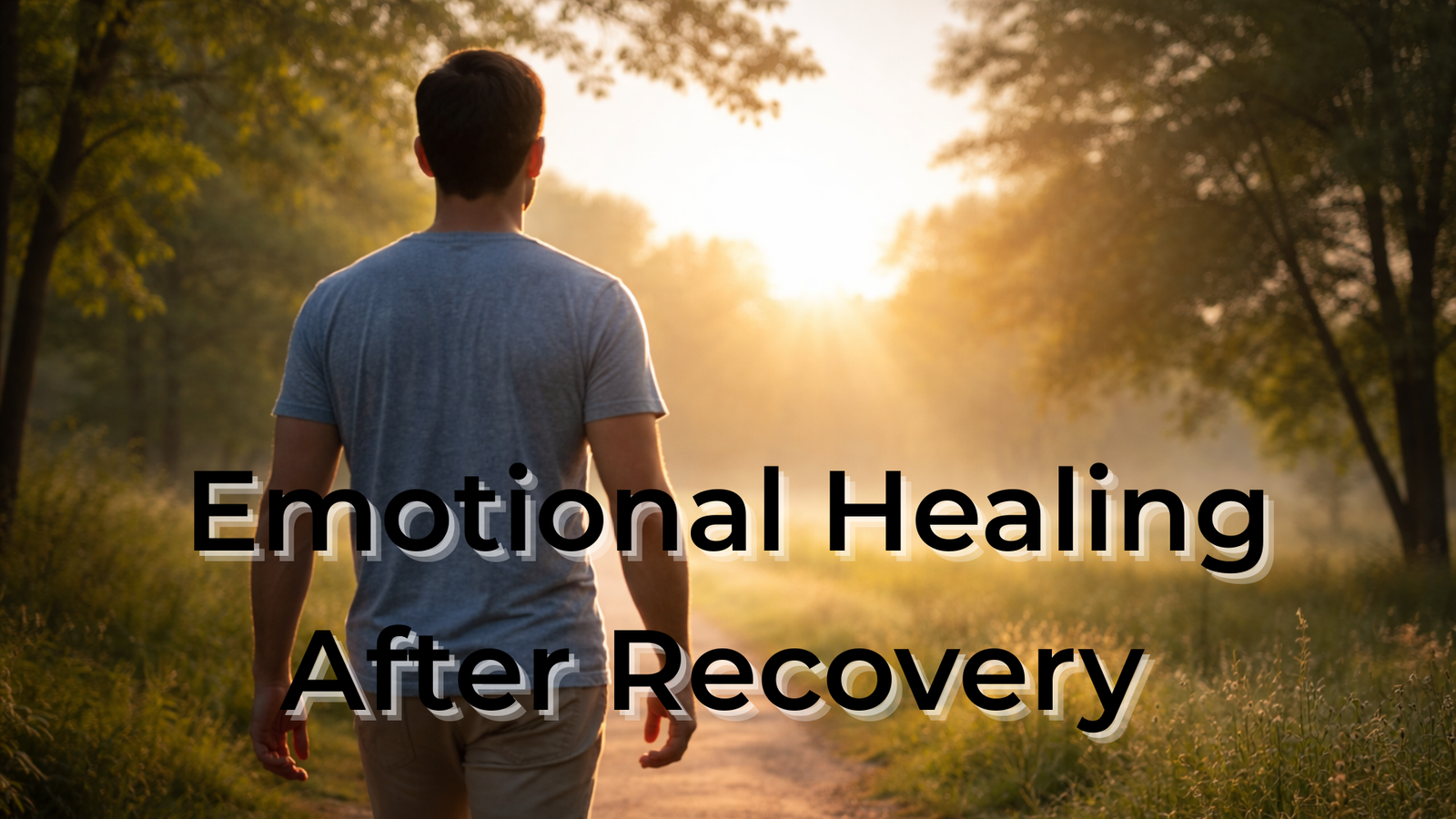
Introduction Recovery is a powerful achievement, but it is only the beginning of a lifelong healing journey. After overcoming addiction or mental health challenges, many individuals find that emotional wounds still remain. Emotional healing is the process of rebuilding self-worth, restoring relationships, and learning to live with clarity, purpose, and resilience. With the right steps …


Introduction
Recovery is a powerful achievement, but it is only the beginning of a lifelong healing journey. After overcoming addiction or mental health challenges, many individuals find that emotional wounds still remain. Emotional healing is the process of rebuilding self-worth, restoring relationships, and learning to live with clarity, purpose, and resilience.
With the right steps and support, it is possible to rebuild a meaningful, balanced life after recovery.
Understanding Emotional Healing After Recovery
Emotional healing involves processing past pain, trauma, guilt, and shame while developing healthier coping skills. During addiction, emotions are often suppressed or avoided. After recovery, these feelings may resurface, making healing both necessary and transformative.
Healing does not mean forgetting the past it means learning from it without letting it control your future.
Step 1: Acknowledge Your Emotions
The first step in emotional healing is allowing yourself to feel without judgment. Emotions such as regret, sadness, anger, or fear are normal after recovery.
-
Accept your feelings as part of healing
-
Avoid suppressing or ignoring emotions
-
Practice self-compassion instead of self-criticism
Recognizing emotions helps reduce their power and promotes emotional balance.
Step 2: Address Past Trauma
Unresolved trauma often lies beneath addiction and emotional distress. Healing requires gently confronting past experiences with professional support.
-
Trauma-informed therapy
-
Counseling or group therapy
-
Safe emotional expression
Processing trauma helps prevent emotional triggers and reduces the risk of relapse.
Step 3: Rebuild Self-Worth and Identity
Addiction can damage self-esteem and personal identity. Recovery offers an opportunity to rediscover who you are beyond your past.
-
Set realistic personal goals
-
Celebrate small achievements
-
Practice positive self-talk
Rebuilding self-worth strengthens confidence and emotional stability.
Step 4: Restore Relationships
Addiction often strains or breaks relationships. Emotional healing includes rebuilding trust through patience, honesty, and accountability.
-
Communicate openly and sincerely
-
Respect boundaries
-
Allow time for healing
Healthy relationships provide emotional support and encouragement during recovery.
Step 5: Develop Healthy Coping Skills
Learning how to manage stress and emotions without substances is essential.
-
Mindfulness and meditation
-
Physical activity
-
Journaling or creative outlets
-
Breathing and grounding techniques
Healthy coping skills reduce emotional overwhelm and support long-term recovery.
Step 6: Build Structure and Purpose
A meaningful routine promotes emotional stability and motivation.
-
Establish daily routines
-
Pursue education, work, or volunteering
-
Set long-term life goals
Purpose helps replace old habits with positive direction and fulfillment.
Step 7: Seek Ongoing Support
Emotional healing is not a journey meant to be taken alone.
-
Support groups
-
Therapy or counseling
-
Trusted friends or mentors
Continued support strengthens resilience and prevents isolation.
When Healing Feels Difficult
Healing is not linear. Some days will feel easier than others, and setbacks do not mean failure. Progress is measured by growth, awareness, and persistence not perfection.
Asking for help is a sign of strength, not weakness.
Conclusion
Emotional healing after recovery is a journey of rediscovery, growth, and renewal. By addressing emotions, healing past wounds, rebuilding relationships, and developing healthy habits, individuals can create a life filled with purpose, balance, and hope.
Recovery opens the door but emotional healing allows you to truly move forward.
Ready to take the first step toward recovery?
Contact our specialists today for confidential help and personalized treatment.
 Call Now: 0331-5500090
 Visit: www.hrci.pk