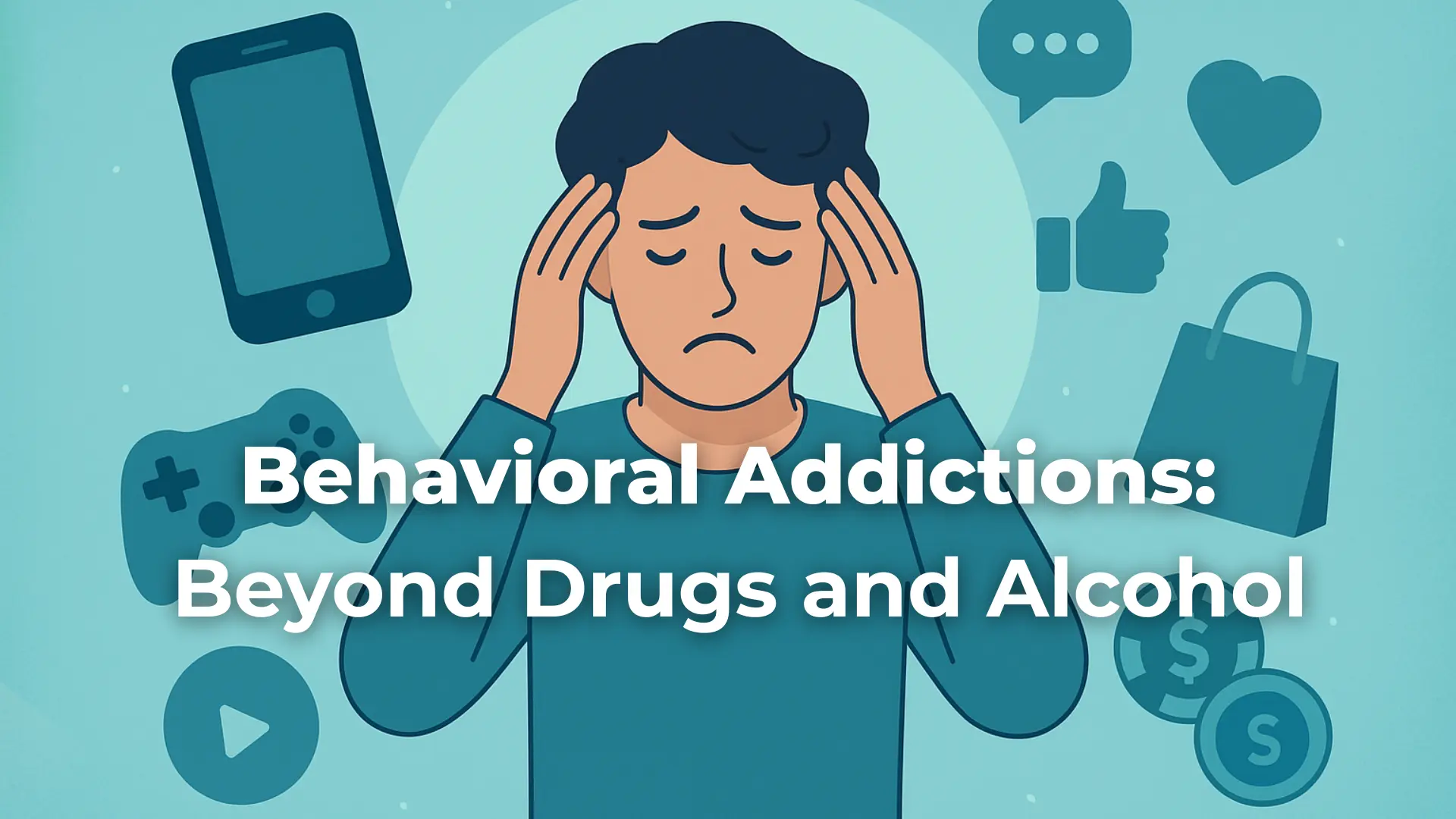
Introduction When people hear the word addiction, they usually think of drugs, alcohol, or other substances that disrupt a person’s life. But addiction isn’t limited to chemicals—many individuals struggle with behavioral addictions, also known as process addictions, where a person becomes compulsively attached to a rewarding behavior rather than a substance. These addictions can be …


Introduction
When people hear the word addiction, they usually think of drugs, alcohol, or other substances that disrupt a person’s life. But addiction isn’t limited to chemicals—many individuals struggle with behavioral addictions, also known as process addictions, where a person becomes compulsively attached to a rewarding behavior rather than a substance.
These addictions can be just as damaging, affecting mental health, relationships, productivity, and overall quality of life. As awareness grows, understanding behavioral addictions has become essential for families, professionals, and anyone seeking a healthier lifestyle.
What Are Behavioral Addictions?
Behavioral addictions occur when a person becomes dependent on a specific activity that stimulates the brain’s reward system. Over time, they lose control over the behavior, continue doing it despite harm, and experience withdrawal-like symptoms when they try to stop.
Common signs include:
-
Inability to control the behavior
-
Feeling anxious or irritable when not engaging in the activity
-
Using the behavior to escape stress or emotions
-
Negative impact on work, relationships, or health
-
Spending excessive time or money on the behavior
Just like substance addiction, behavioral addictions can become chronic without professional intervention.
Types of Behavioral Addictions
Here are some of the most widely recognized and increasingly common behavioral addictions:
1. Internet Addiction
Excessive browsing, scrolling, and online engagement can interfere with sleep, responsibilities, and social life. Many experience difficulty disconnecting even for short periods.
Warning signs
-
Spending hours online unintentionally
-
Neglecting responsibilities
-
Feeling restless when away from the internet
2. Smartphone Addiction
Constant checking, notifications, and dependence on mobile apps have created a global issue especially among teenagers and young adults.
Impact
-
Reduced attention span
-
Anxiety and sleep disturbance
-
Social withdrawal
3. Gaming Addiction
Online gaming is among the fastest-growing behavioral addictions worldwide. The World Health Organization (WHO) officially recognizes Gaming Disorder.
Symptoms include:
-
Prioritizing gaming over daily tasks
-
Loss of interest in other activities
-
Difficulty controlling time spent gaming
4. Gambling Addiction
Gambling addiction (or compulsive betting) is a serious behavioral disorder. It often leads to financial loss, emotional distress, and strained family relationships.
Red flags:
-
Chasing losses
-
Borrowing or stealing money
-
Hiding gambling activity
5. Shopping Addiction (Compulsive Buying)
Individuals with this addiction shop impulsively to relieve stress or seek excitement. This often leads to debt, guilt, and financial instability.
6. Social Media Addiction
Likes, comments, and shares trigger dopamine release, making social media highly addictive.
Consequences:
-
Low self-esteem
-
Comparison anxiety
-
Loss of productivity
7. Work Addiction (Workaholism)
Not all addictions look unhealthy at first glance. Work addiction occurs when someone cannot detach from work, even when it harms their health or relationships.
8. Food Addiction
Certain foods—especially high-sugar, high-fat items stimulate the brain in ways similar to addictive substances. Overeating, binge eating, and compulsive snacking may indicate a deeper issue.
What Causes Behavioral Addictions?
Behavioral addictions can develop due to a combination of:
-
Brain chemistry: Repeated behaviors stimulate dopamine release.
-
Stress & emotional trauma: People may use behaviors as coping mechanisms.
-
Genetics: Some individuals are predisposed to addiction.
-
Environment: Peer influence, accessibility, and cultural factors.
-
Mental health issues: Anxiety, ADHD, depression, and loneliness increase vulnerability.
Understanding the cause is essential to providing effective treatment.
How Behavioral Addictions Affect Life
Behavioral addictions may appear harmless at first, but they gradually impact:
-
Mental health (anxiety, depression, stress)
-
Physical health (sleep issues, fatigue, poor diet)
-
Relationships (conflicts, isolation)
-
Work or studies (low productivity, poor focus)
-
Financial stability (overspending, gambling debt)
Left untreated, these addictions can escalate and require professional intervention.
How Behavioral Addictions Are Treated
Treatment is similar to substance addiction, focusing on rewiring behavior patterns and improving emotional health. A professional rehab or mental health clinic typically provides:
1. Cognitive Behavioral Therapy (CBT)
Helps identify triggers, reshape thoughts, and build healthier habits.
2. Counseling & Psychotherapy
Addresses emotional causes and teaches coping strategies.
3. Family Therapy
Involving family members helps create a support system for long-term recovery.
4. Behavior Modification Plans
Helps patients learn self-control and structured routines.
5. Medication (when needed)
Used to manage anxiety, depression, or impulsivity.
6. Support Groups
Sharing with others going through similar experiences reduces shame and isolation.
7. Digital Detox Programs
Especially beneficial for internet, smartphone, and gaming addictions.
Can Behavioral Addictions Be Prevented?
Yes prevention is possible through:
-
Limiting screen time
-
Practicing mindful behavior
-
Setting healthy boundaries
-
Identifying early warning signs
-
Seeking help at the first sign of compulsive behavior
Awareness is the strongest defense against behavioral addictions.
Conclusion
Behavioral addictions are real, harmful, and more common than ever especially in today’s digital world. Whether it’s gaming, social media, gambling, shopping, or work, these addictions can quietly take over a person’s life if left unaddressed.
The good news? With early intervention and professional treatment, recovery is absolutely possible. Rehab centers and mental health professionals in Pakistan, including those specializing in behavioral disorders, offer structured programs that help individuals regain control and rebuild their lives.
Ready to take the first step toward recovery?
Contact our specialists today for confidential help and personalized treatment.
📞 Call Now: 0331-5500090
🌐 Visit: www.hrci.pk
Book a Consultation
It’s easy and free!