Addiction is often misunderstood as a lack of willpower, but science shows it is a complex brain disorder that alters the way we think, feel, and behave. Whether related to substances like drugs and alcohol or behaviors such as gambling or digital dependence, addiction fundamentally changes the brain’s reward system. Understanding these changes is key …


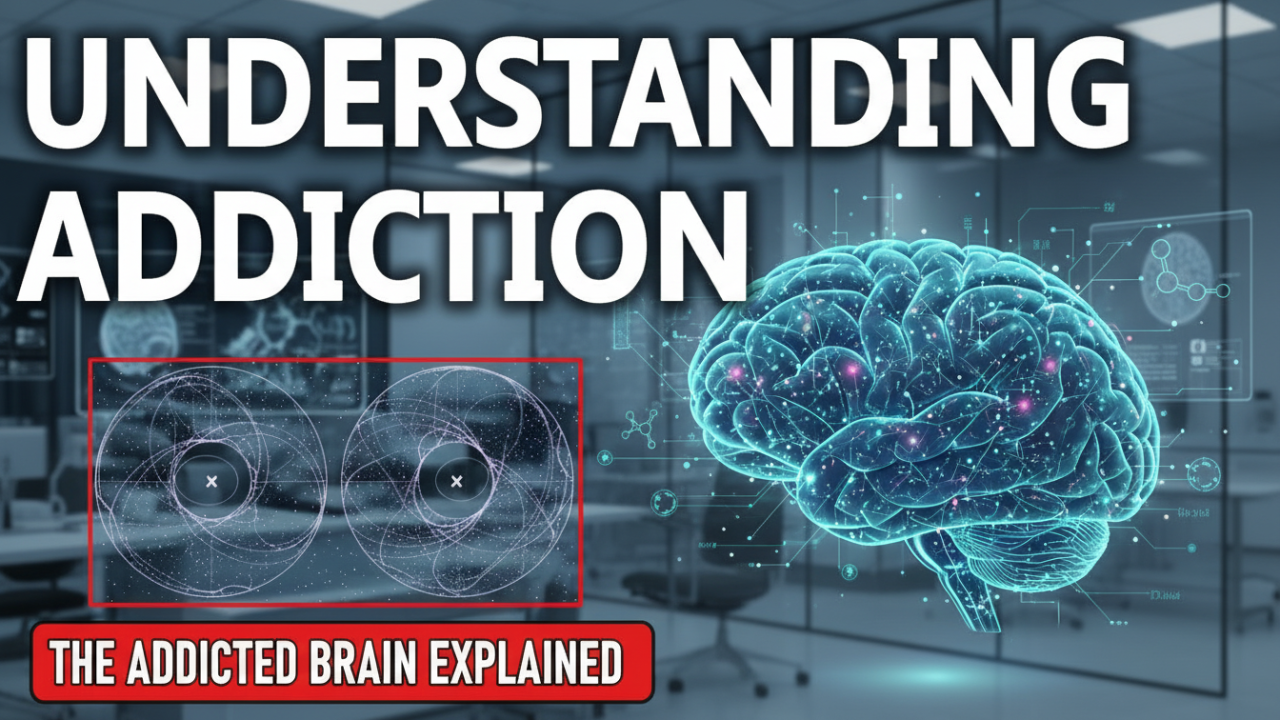
Addiction is often misunderstood as a lack of willpower, but science shows it is a complex brain disorder that alters the way we think, feel, and behave. Whether related to substances like drugs and alcohol or behaviors such as gambling or digital dependence, addiction fundamentally changes the brain’s reward system. Understanding these changes is key to recognizing addiction as a medical condition one that is treatable with the right approach.
How Addiction Works in the Brain
Addiction develops through powerful interactions between brain chemicals, reward pathways, and learned behaviors. Here are the core scientific processes involved:
1. The Reward System and Dopamine
The brain is wired to reward activities that promote survival such as eating, social bonding, and achievement by releasing dopamine, a neurotransmitter linked to pleasure and motivation.
Addictive substances and behaviors release a surge of dopamine, far greater than natural rewards. This creates:
-
Intense pleasure (“the high”)
-
Reinforcement that drives repeated use
-
A growing focus on seeking the reward again
Over time, the brain becomes less responsive to dopamine, making the person need more of the substance or behavior to feel the same effect.
2. The Hijacking of the Prefrontal Cortex
The prefrontal cortex, the part of the brain responsible for decision-making, impulse control, and judgment, becomes impaired during addiction.
As addiction progresses:
-
Self-control decreases
-
Risky behavior increases
-
Cravings override logic and consequences
This is why someone can understand the harm yet still struggle to stop.
3. Habit Formation in the Basal Ganglia
Repeated use causes the basal ganglia, the brain’s habit center, to store addictive patterns. Eventually, the behavior becomes automatic, creating strong routines such as:
-
Reaching for alcohol after stress
-
Using a substance at certain times or places
-
Compulsive scrolling, shopping, or gaming
Addiction shifts from wanting the reward to needing it to function.
4. Stress and the Amygdala
The amygdala, which regulates stress and emotions, becomes highly sensitive in addiction. This leads to:
-
Heightened anxiety
-
Irritability
-
Withdrawal symptoms
-
Emotional dependency
The brain begins to rely on the addictive substance or behavior to relieve negative emotions, strengthening the cycle.
Why Addiction Is a Chronic Brain Disorder
Because addiction rewires brain pathways, it is considered a chronic, relapsing condition similar to diabetes or hypertension. Relapse does not mean failure; it is a sign that treatment or support systems may need adjustment.
Treatment: How the Brain Can Heal
The brain has remarkable ability to recover through neuroplasticity. Evidence-based treatments include:
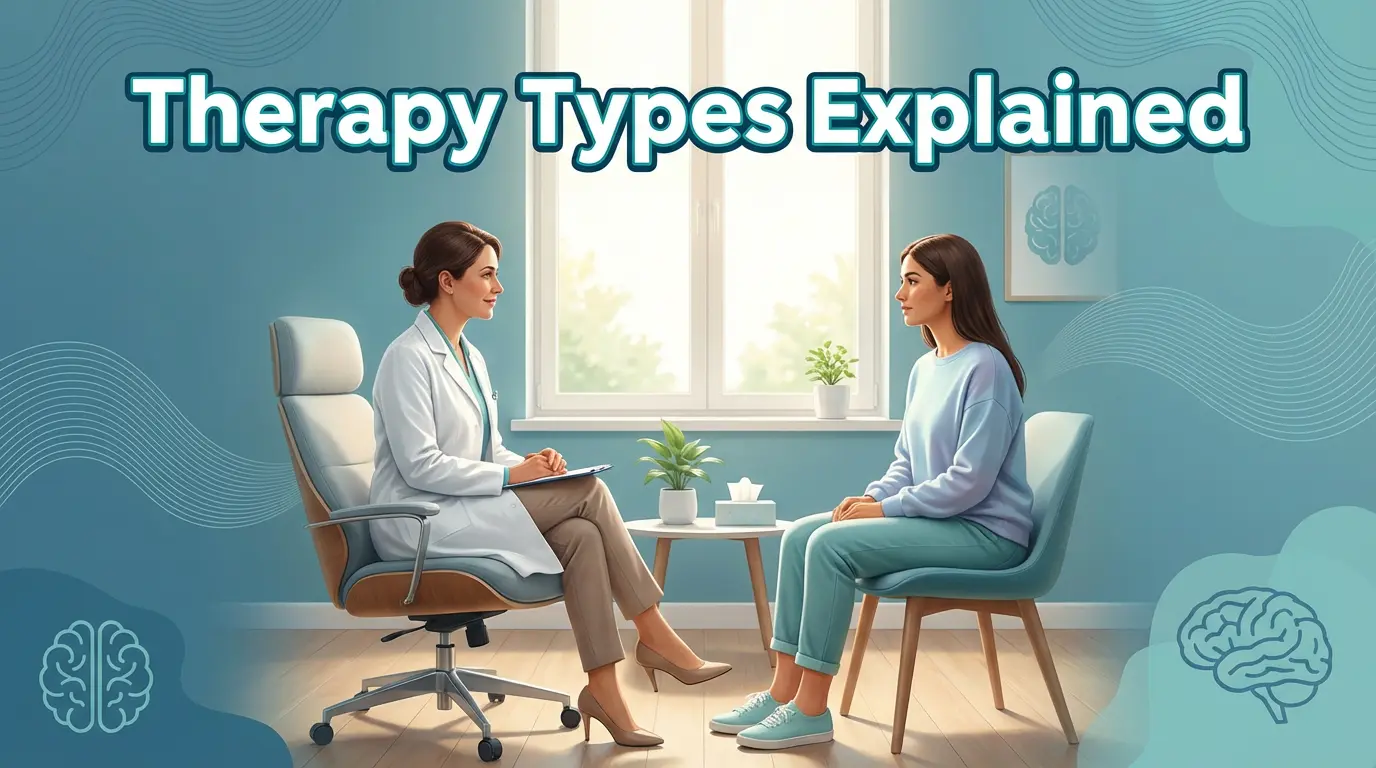
1. Behavioral Therapies
-
Cognitive Behavioral Therapy (CBT)
-
Motivational Interviewing
-
Mindfulness-based therapies
These help individuals reshape thought patterns and manage triggers.
2. Medication-Assisted Treatment (MAT)
For certain addictions (e.g., opioids, alcohol), medications can regulate brain chemistry and reduce cravings.
3. Lifestyle and Support Systems
-
Regular exercise
-
Support groups or counseling
-
Stress-reduction techniques
-
Healthy relationships
These tools help rebuild the brain’s natural reward pathways.
Conclusion
Addiction is not a personal weakness it is a scientifically understood brain condition. By recognizing how addiction alters the brain and exploring effective treatment approaches, individuals and families can move toward healing with understanding, compassion, and evidence-based care.
Ready to take the first step toward recovery?
Contact our specialists today for confidential help and personalized treatment.
 Call Now: 0331-5500090
 Visit: www.hrci.pk