
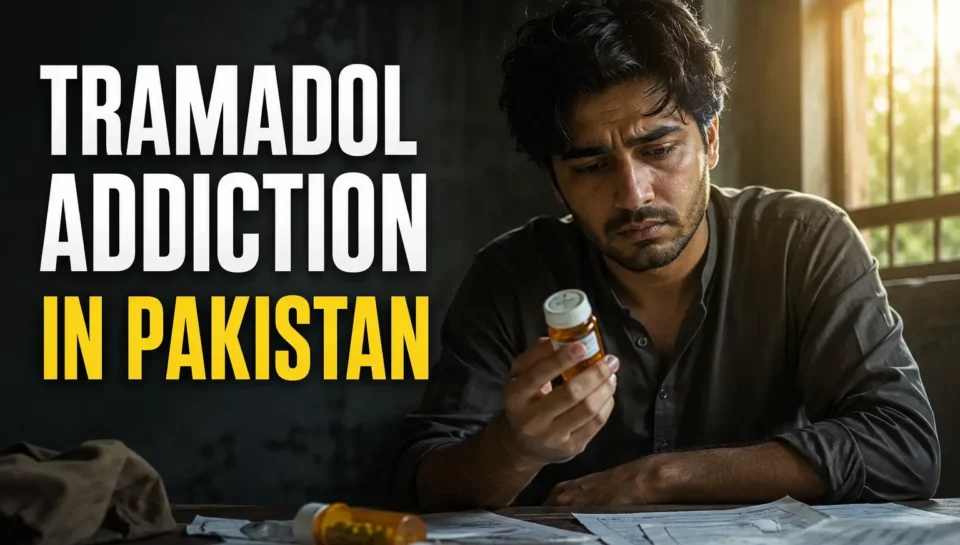
A young man is prescribed tramadol after a routine surgery. At first, it helps him manage pain and return to normal life. Weeks later, he notices he feels restless without it. Months later, he cannot get through a single day without taking another pill.
His family believes he is still taking medication for pain.
In reality, he is struggling with opioid addiction.
This scenario is becoming increasingly common across Pakistan. What begins as a legitimate prescription can gradually turn into dependence, withdrawal, and addiction. Because tramadol is a medicine rather than an illegal street drug, many people underestimate its risks until the consequences become impossible to ignore.
Today, tramadol misuse represents a growing public health concern across the country. As a result, many families are seeking help from a Rehab Centre in Islamabad, Rehabilitation Centre in Islamabad, and Rehabilitation Centre in Rawalpindi for professional addiction recovery services.
In this guide, you will learn how tramadol addiction develops, why it is becoming more common in Pakistan, the warning signs every family should recognise, and the treatment options available for people seeking recovery.
What Is Tramadol Addiction?
Tramadol addiction is a condition in which a person becomes physically and psychologically dependent on the opioid painkiller tramadol. Over time, the brain adapts to the presence of the drug, leading to cravings, tolerance, withdrawal symptoms, and continued use despite negative consequences.
Many people begin taking tramadol for legitimate medical reasons. However, prolonged use or misuse can cause the body and brain to rely on the medication, making it difficult to stop without professional support.
Why People Become Addicted Without Realising It
One of the most dangerous aspects of tramadol addiction is how easily it can go unnoticed.
Unlike substances such as heroin or methamphetamine, tramadol often enters a person’s life through a doctor’s prescription. Because it is viewed as a medication rather than a recreational drug, users may not recognise the warning signs of dependence.
Many people tell themselves:
- It was prescribed by a doctor.
- I’m taking it for pain.
- I can stop whenever I want.
- It’s safer than illegal drugs.
Unfortunately, addiction does not always begin with intentional misuse. Dependence can develop gradually, often before the person realises there is a problem.
Why This Matters for Pakistani Families
When addiction develops, it affects far more than the individual using the drug.
Families often experience emotional stress, financial pressure, relationship conflicts, and constant worry about their loved one’s wellbeing. Parents, spouses, and siblings frequently struggle to understand what is happening, especially when the addiction involves a prescription medication rather than an illegal substance.
Families looking for support often turn to the Best Rehab Centre in Islamabad or a trusted Drug Rehab Centre where individuals can receive comprehensive care, counselling, and medical supervision throughout the recovery process.
Because tramadol addiction can remain hidden for months or even years, many families do not seek help until the situation has become severe.
The earlier the problem is recognised, the better the chances of successful treatment and long-term recovery.
What Families Usually Notice First
In many cases, family members recognise the warning signs before the person using tramadol does.
Common early signs include:
- Frequent requests for pain medication
- Visiting multiple pharmacies to obtain tramadol
- Increased secrecy about medication use
- Mood swings and irritability
- Sleep disturbances
- Reduced interest in family activities
- Declining work or academic performance
- Financial difficulties without a clear explanation
These changes may appear gradually, making them easy to dismiss as stress, anxiety, or everyday life problems.
However, when several of these warning signs occur together, it may indicate a developing addiction that requires professional attention.
How Long Does Tramadol Withdrawal Last?
Withdrawal experiences vary from person to person, but most people follow a similar pattern.
First 24 Hours
During the first day after stopping tramadol, individuals may experience:
- Anxiety
- Restlessness
- Sweating
- Muscle aches
- Strong cravings
Days 2–7
Symptoms often become more intense during this period.
Common experiences include:
- Insomnia
- Irritability
- Depression
- Panic attacks
- Nausea
- Chills and body aches
- Fatigue
Weeks After Stopping
Even after physical symptoms improve, psychological symptoms may continue.
These can include:
- Ongoing cravings
- Sleep problems
- Low motivation
- Anxiety
- Mood fluctuations
Because withdrawal can be challenging, professional medical supervision significantly improves safety and comfort during recovery.
Seeking treatment at an experienced Addiction Treatment Centre or Rehab Centre Islamabad can help individuals manage withdrawal symptoms safely while receiving the support needed for long-term recovery.
Why Willpower Alone Usually Fails
Many people believe addiction is simply a matter of self-control.
Modern addiction research tells a different story.
Long-term tramadol use changes the brain’s reward and motivation systems. As dependence develops, the brain begins to treat the drug as something essential rather than optional.
This is why many intelligent, hardworking, and determined people struggle to quit despite genuinely wanting to stop.
Recovery is not about having stronger willpower.
Successful recovery often involves structured care provided by a Psychiatric Treatment Centre alongside addiction specialists who address both the physical and psychological aspects of dependence.
It is about receiving the right combination of medical care, psychological support, and long-term recovery planning.
What Happens If Tramadol Addiction Goes Untreated?
Without treatment, tramadol addiction can gradually affect every area of life.
Potential consequences include:
- Relationship breakdowns
- Financial difficulties
- Poor work performance
- Academic failure
- Depression and anxiety
- Physical health complications
- Increased risk of overdose
- Dependence on stronger opioid substances
Professional intervention from a reputable Drug Rehab Centre or Rehabilitation Centre in Islamabad can help prevent these complications and improve the likelihood of long-term recovery.
The longer addiction continues, the more difficult recovery can become.
Early intervention consistently produces better outcomes than waiting for a crisis to occur.
Can Someone Fully Recover From Tramadol Addiction?
Yes.
Thousands of people successfully recover from opioid addiction every year and go on to build healthy, productive, and fulfilling lives.
Recovery is a process rather than a single event. It requires commitment, professional guidance, family support, and ongoing relapse prevention strategies.
With proper treatment, long-term recovery is absolutely achievable.
Many individuals begin their recovery journey at a Rehab Centre in Islamabad, where evidence-based treatment programmes, counselling, and relapse prevention strategies are tailored to each person’s needs.
The most important step is seeking help before the addiction causes further harm.
Frequently Asked Questions
Is tramadol addictive?
Yes. Tramadol is an opioid medication that can cause both physical and psychological dependence when used for extended periods or inappropriately.
Can tramadol addiction be treated?
Yes. Effective treatment typically includes medical detoxification, counselling, behavioural therapy, and relapse prevention planning. These services are commonly available at an Addiction Treatment Centre, Drug Rehab Centre, or Rehabilitation Centre in Rawalpindi and Islamabad.
Is it safe to stop tramadol suddenly?
Not always. Withdrawal symptoms can be uncomfortable and, in some cases, medically risky. Professional supervision is recommended.
How long does treatment take?
Treatment length varies depending on individual needs, severity of addiction, and any underlying mental health conditions.
Can relapse happen after treatment?
Relapse can occur, but ongoing support, counselling, and aftercare programmes significantly reduce the risk.
Take the First Step Toward Recovery
Every day that addiction continues, the risks grow.
What begins as dependence on a prescription painkiller can eventually affect physical health, mental wellbeing, relationships, education, and employment.
The encouraging news is that recovery is possible, and effective treatment is available.
Whether you are searching for the Best Rehab Centre in Islamabad, a trusted Rehab Centre Islamabad, a professional Psychiatric Treatment Centre, or an Alcohol Treatment Centre that also treats substance dependence, early intervention can make a significant difference in recovery outcomes.
If you or someone you care about is struggling with tramadol use, seeking professional help today could prevent years of unnecessary suffering and open the door to a healthier future.
The first conversation may be the beginning of lasting recovery.