
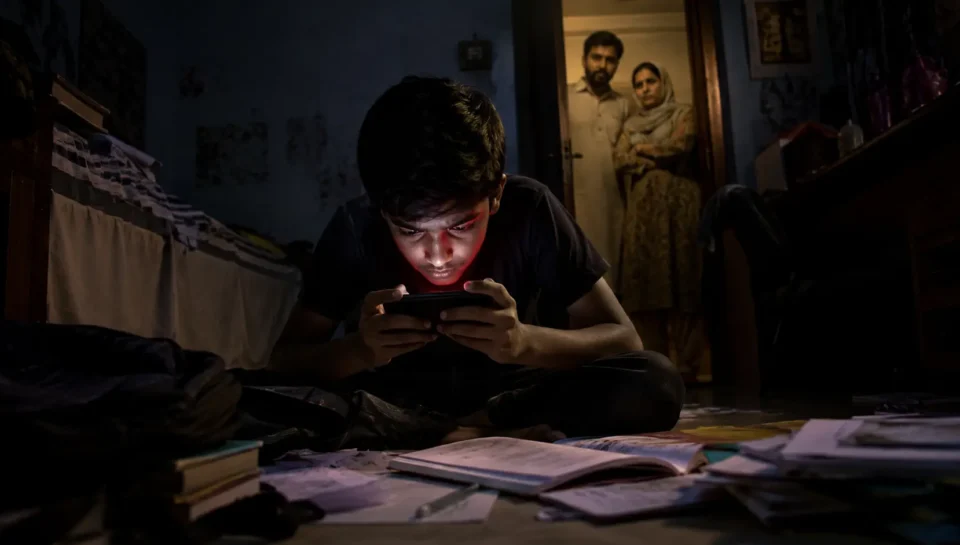
If your teenager is skipping school, losing sleep, and becoming angry when their phone is taken away, PUBG addiction may already be affecting their mental health and daily life.
Gaming addiction is now recognised by the World Health Organization (WHO) as a mental health condition. In Pakistan, the growing popularity of mobile gaming has led to increasing concerns among parents, educators, and mental health professionals. Many families now seek support from a Rehabilitation centre in Islamabad, Rehabilitation centre in Rawalpindi, or a specialised Addiction treatment centre when gaming habits become uncontrollable.
This guide explains what PUBG addiction looks like, why Pakistani teenagers are particularly vulnerable, and when it may be time to seek professional support.
What Is PUBG Addiction?
PUBG (PlayerUnknown’s Battlegrounds) is one of the world’s most popular online multiplayer games. While gaming can be a healthy form of entertainment, it becomes problematic when it begins to interfere with school, relationships, physical health, and emotional well-being.
Gaming addiction occurs when a person loses control over their gaming habits and continues playing despite experiencing negative consequences.
According to the WHO, gaming disorder is characterised by:
- Impaired control over gaming behavior
- Increasing priority given to gaming over other activities
- Continuation of gaming despite negative consequences
Why Is PUBG So Addictive?
PUBG uses several psychological mechanisms that encourage prolonged engagement:
Variable Rewards
Players never know when they will achieve a major victory or obtain valuable in-game rewards, creating a strong desire to keep playing.
Social Pressure
Many players participate in squads or teams. This social aspect can create pressure to remain online and continue playing.
Continuous Gameplay
There is no natural endpoint. One match often leads directly into another, making it difficult to stop.
Dopamine Stimulation
Achievements, victories, and rewards activate the brain’s reward system, encouraging repeated play.
The Growing Problem in Pakistan
Pakistan has experienced rapid growth in smartphone usage and internet accessibility, making online gaming more accessible than ever.
Several factors contribute to the rise of gaming addiction among Pakistani youth:
- Easy access to smartphones and mobile internet
- Increasing screen time among teenagers
- Academic stress and exam pressure
- Limited recreational and outdoor activities
- Growing social influence of online gaming communities
Mental health professionals in Islamabad and Rawalpindi have reported an increasing number of consultations related to excessive gaming and digital dependency. As a result, many parents are turning to a Rehab centre in Islamabad, a Psychiatric treatment centre, or the Best rehab centre in Islamabad for expert guidance and treatment.
10 Warning Signs of PUBG Addiction
Parents should pay attention to the following warning signs:
- Playing for excessive hours each day, especially late at night
- Lying about gaming time
- Skipping meals or neglecting personal hygiene
- Declining academic performance
- Becoming angry or distressed when unable to play
- Withdrawing from family and friends
- Sleeping during the day and gaming at night
- Spending excessive money on gaming-related purchases
- Experiencing headaches, eye strain, or physical discomfort
- Repeatedly attempting to quit but being unable to do so
When several of these signs appear together, professional intervention may be necessary.
Mental Health Effects of PUBG Addiction
Excessive gaming can significantly impact adolescent mental health.
Common consequences include:
Depression
Many teenagers experience sadness, emptiness, or low mood when they are unable to play.
Anxiety
Social anxiety and difficulty engaging in real-world interactions may develop over time.
Attention Problems
Excessive gaming can contribute to concentration difficulties and reduced academic performance.
Aggression and Irritability
Some individuals become emotionally reactive or frustrated when gaming is restricted.
Sleep Disorders
Late-night gaming can disrupt healthy sleep patterns, leading to fatigue and poor daytime functioning.
Social Isolation
Many addicted gamers gradually disconnect from family members, friends, and real-world activities.
In severe cases, gaming addiction may require treatment similar to other behavioural addictions managed at an Addiction treatment centre or Psychiatric treatment centre.
Why Pakistani Teens Are More Vulnerable
Several cultural and social factors increase the risk of gaming addiction among Pakistani adolescents.
Academic Pressure
Students often face intense expectations related to exams and academic achievement. Gaming may become an escape from stress and anxiety.
Limited Recreational Opportunities
Many communities offer limited access to affordable sports facilities, clubs, and youth activities.
Family Stress
Domestic conflicts and emotional challenges can encourage teenagers to seek comfort in online environments.
Peer Influence
Gaming is often viewed as a social activity. Teenagers may feel pressured to participate to avoid exclusion from their peer groups.
Lack of Digital Awareness
Many parents are unfamiliar with the psychological design of modern games and may not recognise the early signs of addiction.
What Parents Can Do
Have Calm Conversations
Approach your teenager with understanding rather than anger. Open communication is often more effective than punishment.
Set Healthy Boundaries
Work together to establish realistic screen-time limits and technology rules.
Encourage Physical Activity
Sports, exercise, and outdoor activities help reduce dependence on screen-based entertainment.
Promote Real-World Social Interaction
Encourage participation in hobbies, clubs, volunteer work, or community activities.
Use Parental Controls
Utilise available screen-time and app-management tools to support healthy technology use.
When Professional Help Is Needed
Professional assessment should be considered if a teenager:
- Refuses to attend school
- Becomes aggressive when gaming is restricted
- Experiences severe anxiety or depression
- Shows signs of self-harm or suicidal thoughts
- Develops significant sleep and eating disturbances
- Becomes socially isolated for extended periods
These symptoms may indicate a more serious mental health concern that requires specialised care from a Psychiatric treatment centre or Rehab centre Islamabad.
How a Rehabilitation Centre Can Help
Professional addiction treatment programmes can provide structured support for teenagers struggling with gaming addiction.
Treatment may include:
- Cognitive Behavioural Therapy (CBT)
- Family counselling
- Group therapy
- Psychiatric assessment
- Behavioural management strategies
- Structured daily routines
- Relapse prevention planning
Addressing both the addiction and any underlying mental health issues often produces the best outcomes. Leading facilities such as the Best rehab centre in Islamabad, a trusted Drug rehab centre, or an established Rehabilitation centre in Rawalpindi often provide comprehensive treatment plans tailored to adolescents.
Choosing the Right Treatment Centre
When evaluating a rehabilitation or psychiatric treatment centre, consider asking:
- Do you have qualified psychiatrists and psychologists?
- Do you offer treatment for behavioural addictions?
- How is family involvement incorporated into treatment?
- What does the daily programme include?
- What aftercare services are available?
- How do you measure treatment success?
A reputable centre should be transparent about its treatment approach and willing to answer these questions. Whether you are considering a Rehab centre in Islamabad, Rehab centre Islamabad, Drug rehab centre, or Alcohol treatment centre, choosing experienced professionals is essential for long-term recovery.
Final Thoughts
PUBG addiction is more than simply spending too much time playing games. It can affect a teenager’s education, relationships, emotional well-being, and overall quality of life.
Early intervention can make a significant difference. By recognising the warning signs, establishing healthy boundaries, and seeking professional support when necessary, families can help teenagers regain balance and build healthier habits.
If your child is struggling with excessive gaming and its effects on mental health, professional guidance from a Rehabilitation centre in Islamabad, Rehabilitation centre in Rawalpindi, Psychiatric treatment centre, or the Best rehab centre in Islamabad can provide the support needed for long-term recovery and well-being.