Understanding Ice (Crystal Meth) Addiction Ice, commonly known as crystal meth, is a powerful and highly addictive stimulant drug. It affects the brain and nervous system, creating intense energy and euphoria for a short time—followed by serious physical, mental, and emotional harm. Crystal meth addiction develops quickly because the brain becomes dependent on the drug …


Understanding Ice (Crystal Meth) Addiction
Ice, commonly known as crystal meth, is a powerful and highly addictive stimulant drug. It affects the brain and nervous system, creating intense energy and euphoria for a short time—followed by serious physical, mental, and emotional harm.
Crystal meth addiction develops quickly because the brain becomes dependent on the drug to feel normal. Over time, users need more of the drug to get the same effect, increasing the risk of severe health problems, overdose, and long-term damage.
This article explains crystal meth addiction symptoms, risk factors, and treatment options, using simple language to help individuals and families understand when and how to seek help.
What Is Crystal Meth?
Crystal meth (methamphetamine) is a man-made stimulant that speeds up the brain and body. It may be smoked, injected, swallowed, or snorted. Each method carries serious risks, but injection and smoking are especially dangerous.
Meth releases large amounts of dopamine, a brain chemical linked to pleasure and motivation. Over time, the brain stops producing dopamine naturally, making everyday life feel empty without the drug.
Symptoms of Ice (Crystal Meth) Addiction
Recognizing the signs early can save lives. Symptoms often appear in physical, mental, and behavioral changes.
Short-Term Symptoms
- Extreme energy or restlessness
- Rapid heartbeat and high blood pressure
- Loss of appetite and weight loss
- Increased alertness or confidence
- Trouble sleeping (staying awake for days)
- Anxiety, irritability, or aggression
Long-Term Symptoms
- Severe tooth decay (“meth mouth”)
- Skin sores from scratching or picking
- Memory loss and poor concentration
- Hallucinations (seeing or hearing things that aren’t real)
- Paranoia and violent behavior
- Depression and suicidal thoughts
Risk Factors for Crystal Meth Addiction
Anyone can develop an addiction, but certain factors increase the risk:
- Easy access to drugs
- Peer pressure or social environment
- Untreated stress, trauma, or depression
- Previous substance use
- Lack of family or emotional support
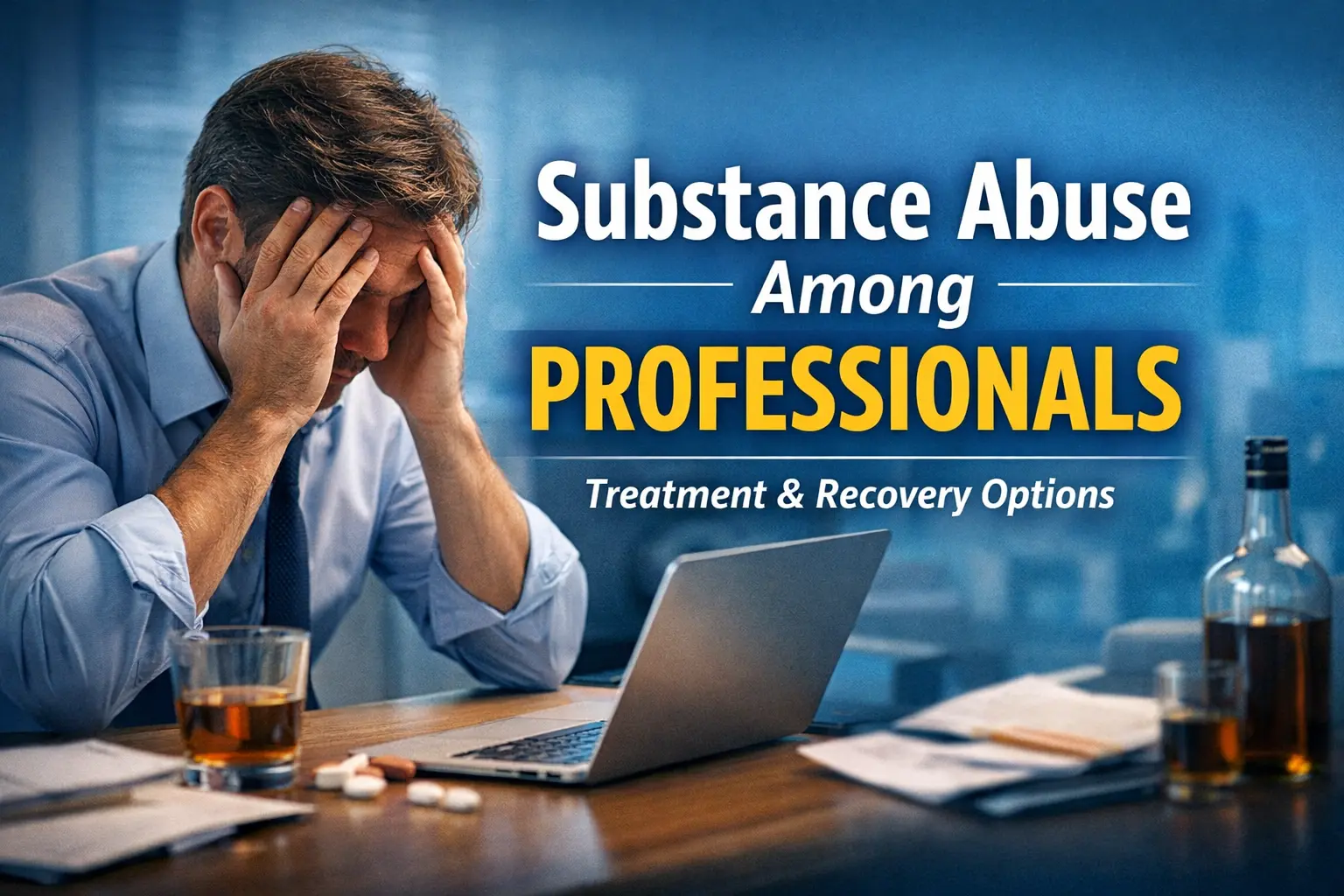
- High-pressure work or financial stress
Health Risks of Crystal Meth Use
Long-term crystal meth use can cause permanent damage, including:
- Heart attacks and strokes
- Brain damage affecting memory and emotions
- Severe mental health disorders
- Increased risk of infections (HIV, hepatitis)
- Overdose, which can be fatal
Treatment Options for Crystal Meth Addiction
Recovery is possible with the right treatment and support. Effective rehab usually combines medical care, therapy, and ongoing support.
Medical Treatment
There is no single approved medication that cures meth addiction, but doctors may use medications to manage symptoms such as:
- Anxiety and depression
- Sleep problems
- Cravings (in some cases)
Medical supervision is especially important during early recovery to ensure safety.
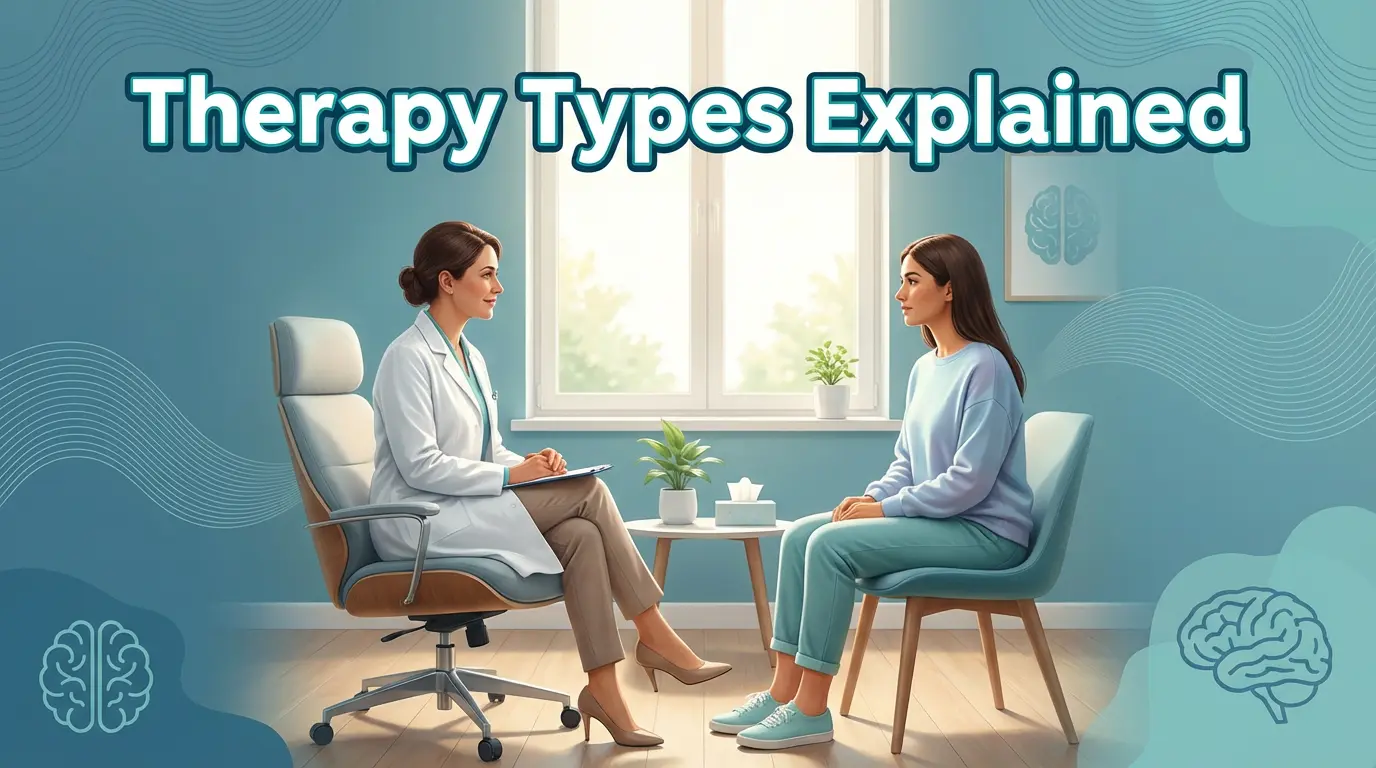
Behavioral Therapies (Most Effective)
These therapies help people change thinking patterns and behaviors linked to drug use:
- Cognitive Behavioral Therapy (CBT):
Helps identify triggers and develop healthy coping skills. - Contingency Management:
Uses positive rewards to encourage drug-free behavior. - Motivational Interviewing:
Builds internal motivation to stay in recovery.
Rehab Programs
- Inpatient rehab: 24/7 care in a structured environment
- Outpatient programs: Flexible treatment while living at home
- Long-term recovery plans: Ongoing therapy and follow-ups
Support Resources
- Family counseling
- Group therapy
- Peer support and recovery programs
- Relapse prevention planning
Seeking Help: When & How to Take the First Step
If you or a loved one is struggling with crystal meth addiction, early help can prevent serious harm.
Signs You Should Seek Help Now:
- Loss of control over drug use
- Aggressive or unsafe behavior
- Severe mental health changes
- Failed attempts to quit alone
Confidential rehab services offer private assessments and personalized treatment plans. Seeking help is a sign of strength not failure.
Final Thoughts
Ice (crystal meth) addiction is a serious but treatable condition. Understanding the symptoms and treatment options can help individuals and families take action early.
Recovery begins with awareness and continues with compassion, professional care, and long-term support.
If you’re ready to take the next step, confidential help is available.
Call us now for immediate assistance:
+92 3401 531371
Book a Consultation
It’s easy and free!