Addiction Triggers and Coping Strategies: Understanding and Managing Relapse Risks Recovery from addiction is a lifelong journey that involves learning how to manage triggers and develop healthy coping strategies. Triggers are situations, emotions, or environments that increase the urge to use drugs or alcohol. Without proper coping skills, these triggers can lead to relapse. Understanding …


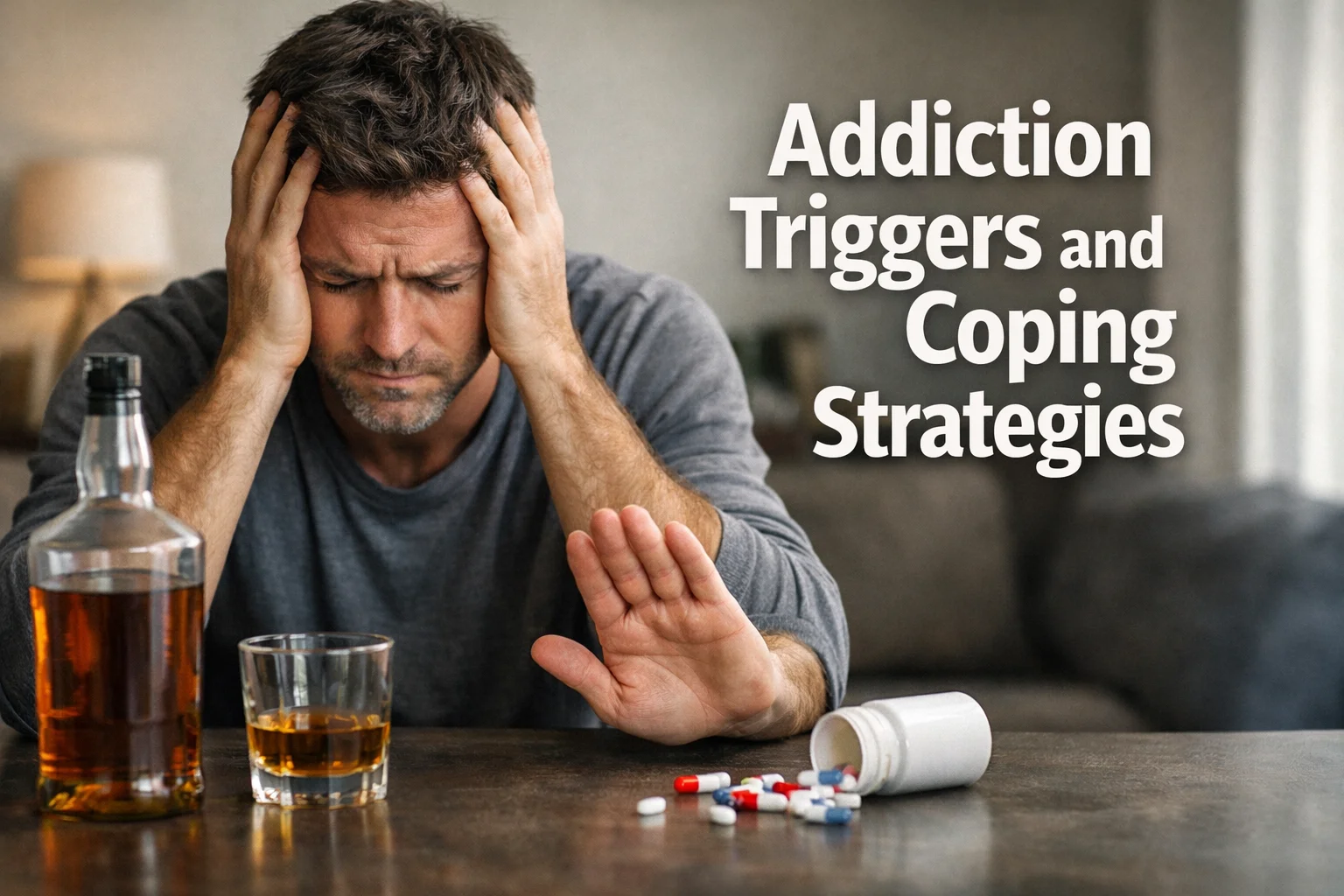
Addiction Triggers and Coping Strategies: Understanding and Managing Relapse Risks
Recovery from addiction is a lifelong journey that involves learning how to manage triggers and develop healthy coping strategies. Triggers are situations, emotions, or environments that increase the urge to use drugs or alcohol. Without proper coping skills, these triggers can lead to relapse.
Understanding addiction triggers is an important step in recovery. A professional rehab centre in Islamabad or a trusted rehabilitation centre in Rawalpindi helps individuals identify triggers and build practical strategies to stay strong during challenging situations.
What Are Addiction Triggers?
Addiction triggers are specific factors that create strong cravings or emotional reactions related to substance use. These triggers vary from person to person, depending on their experiences and environment.
Triggers are commonly divided into two main types:
External Triggers
External triggers come from outside situations or environments that remind individuals of past substance use.
Examples include:
- Being around people who use drugs or alcohol
- Visiting places linked to substance use
- Attending stressful social events
- Seeing drug-related objects
- Experiencing major life changes
A professional addiction treatment centre teaches individuals how to recognize and avoid these triggers whenever possible.
Internal Triggers
Internal triggers come from emotions, thoughts, or physical sensations. These triggers are often harder to identify because they happen within the mind.
Common internal triggers include:
- Stress or anxiety
- Anger or frustration
- Loneliness or sadness
- Boredom
- Fatigue
A qualified psychiatric treatment centre helps individuals manage emotional triggers through therapy and self-awareness techniques.
Why Identifying Triggers Is Important in Recovery
Identifying triggers helps individuals prepare for situations that may challenge their recovery. Without awareness, people may react automatically and return to harmful behaviors.
Benefits of recognizing triggers include:
- Reduced risk of relapse
- Improved emotional control
- Better decision-making skills
- Increased confidence in recovery
- Stronger long-term coping abilities
The best rehab centre in Islamabad focuses on trigger identification as part of a comprehensive relapse prevention plan.
Effective Coping Strategies for Managing Triggers
Coping strategies help individuals respond to triggers in healthy and productive ways. These skills are taught and practiced during treatment at a rehabilitation centre in Islamabad.
Healthy Stress Management
Stress is one of the most common triggers for relapse. Learning healthy stress management techniques can make a significant difference.
Effective methods include:
- Deep breathing exercises
- Meditation and mindfulness
- Physical exercise
- Time management planning
- Relaxation techniques
Many programs at a rehab centre Islamabad include stress management training as part of daily routines.
Building a Support System
Having supportive people nearby helps individuals stay motivated during recovery.
A strong support system may include:
- Family members
- Friends
- Therapists
- Support groups
Both a rehabilitation centre in Rawalpindi and Islamabad often encourage group therapy sessions to build meaningful connections.
Avoiding High-Risk Situations
Avoiding environments associated with substance use reduces exposure to triggers.
Examples include:
- Changing social routines
- Avoiding risky locations
- Limiting contact with harmful influences
- Planning alternative activities
A professional drug rehab centre or alcohol treatment centre helps individuals create safer routines.
Developing Healthy Habits
Healthy habits replace old behaviors and improve overall well-being.
Positive habits include:
- Regular exercise
- Balanced nutrition
- Proper sleep routines
- Hobbies and creative activities
- Goal-setting and self-reflection
The best rehab centre in Islamabad integrates lifestyle changes into treatment programs.
Treatment Programs That Help Manage Triggers
Professional treatment programs provide structured support to help individuals handle triggers effectively.
Medical Detox
Detox is often the first step for individuals dependent on substances. Medical supervision ensures safety during withdrawal.
A licensed drug rehab centre or alcohol treatment centre provides supervised detox services.
Inpatient Rehabilitation
Inpatient treatment offers a controlled environment where individuals can focus on recovery without distractions.
Benefits include:
- 24/7 medical support
- Structured therapy schedules
- Reduced exposure to triggers
- Immediate emotional assistance
Many individuals choose inpatient care at the best rehab centre in Islamabad for intensive support.
Outpatient Programs
Outpatient programs allow individuals to receive therapy while continuing daily responsibilities.
Both a rehabilitation centre in Rawalpindi and Islamabad provide flexible outpatient services.
Aftercare and Relapse Prevention
Aftercare programs help individuals maintain progress after completing treatment.
Aftercare services may include:
- Ongoing therapy sessions
- Support groups
- Trigger management plans
- Lifestyle coaching
A trusted rehab centre Islamabad emphasizes long-term relapse prevention strategies.
How to Choose the Best Rehab Centre in Islamabad
Choosing the right treatment facility plays a critical role in successful recovery. Individuals should evaluate available options carefully.
Important factors to consider include:
Qualified Professionals
Look for licensed doctors, therapists, and counselors.
Comprehensive Treatment Programs
Choose a centre that provides detox, therapy, and aftercare.
Personalized Treatment Plans
Each recovery journey is unique. Individualized plans improve success rates.
Safe and Supportive Environment
A calm and structured setting supports healing.
Accessibility and Location
You may choose between a rehabilitation centre in Islamabad or a rehabilitation centre in Rawalpindi based on convenience.
The best rehab centre in Islamabad offers evidence-based programs and compassionate care.
Frequently Asked Questions
1. What is the most common addiction trigger?
Stress is one of the most common triggers. Emotional distress often increases cravings and relapse risk.
2. Can triggers be completely avoided?
Not always. However, learning coping strategies helps individuals manage triggers effectively.
3. How do rehab centres help manage triggers?
Treatment programs teach coping techniques, provide therapy, and create relapse prevention plans.
4. How long does it take to learn coping strategies?
Learning coping skills takes time and practice. Most individuals develop stronger skills during therapy and aftercare programs.
5. Can family support help reduce triggers?
Yes. Family involvement improves emotional stability and strengthens recovery outcomes.
Conclusion
Addiction triggers are a natural part of recovery, but they do not have to control your life. Understanding triggers and practicing coping strategies can help individuals maintain sobriety and build healthier routines.
Whether you seek help at a rehabilitation centre in Islamabad, a rehabilitation centre in Rawalpindi, professional support plays a crucial role in long-term recovery.
Book a Consultation
It’s easy and free!