
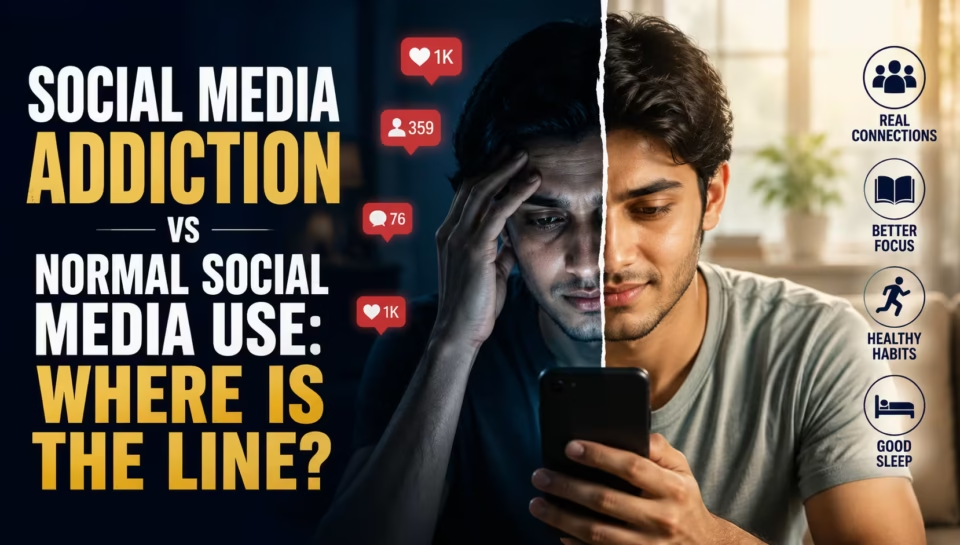
Social Media Addiction vs Normal Social Media Use: Where Is the Line?
Social media has become part of everyday life. It helps us stay connected, learn new things, and entertain ourselves. But when scrolling replaces sleep, work, school, or real-life relationships, it may be more than just a habit. In this article, you’ll learn the difference between normal social media use and social media addiction, the warning signs to watch for, the effects on mental health, and how professional treatment can help.
While social media itself is not harmful, excessive and compulsive use can affect emotional well-being, relationships, productivity, and even physical health. If digital addiction begins interfering with daily life, seeking support from the best rehab center in Islamabad, a rehabilitation center Islamabad, or a qualified psychiatric treatment centre can help individuals regain healthy digital habits.
What Is Social Media Addiction?
Social media addiction is a type of behavioral addiction where a person feels unable to control their use of social networking platforms despite experiencing negative consequences.
Unlike simply enjoying social media, addiction involves compulsive behavior that continues even when it causes problems at school, work, home, or in relationships.
Although it is not officially classified as a separate mental disorder, healthcare professionals recognize that excessive social media use can produce addiction-like behaviors similar to gambling or gaming addiction.
Normal Social Media Use vs Social Media Addiction
Many people spend several hours online every day without being addicted.
The difference lies in control.
Normal Social Media Use
Healthy social media use usually means:
- Using social media for communication or entertainment.
- Being able to stop using it when necessary.
- Prioritizing work, education, and family responsibilities.
- Sleeping normally without staying online late at night.
- Enjoying offline hobbies and social activities.
Social media enhances life rather than controlling it.
Social Media Addiction
A person may be struggling with addiction if they:
- Feel anxious when unable to check social media.
- Spend much more time online than intended.
- Ignore work, studies, or family responsibilities.
- Lose sleep because of scrolling.
- Continue excessive use despite negative consequences.
- Find it difficult to reduce screen time.
The key difference is the loss of control.
Why Social Media Is So Addictive
Social media platforms are designed to keep users engaged.
Features such as:
- Endless scrolling
- Likes and reactions
- Notifications
- Short-form videos
- Personalized content
encourage repeated use.
Each notification can trigger dopamine, a brain chemical associated with reward and pleasure, making people want to keep checking their phones.
Who Is Most at Risk?
Anyone can develop unhealthy social media habits.
However, higher-risk groups include:
- Teenagers
- University students
- Young professionals
- Individuals with anxiety or depression
- People experiencing loneliness
- Those with low self-esteem
People using social media to escape stress may gradually become dependent on it.
Warning Signs of Social Media Addiction
Recognizing the warning signs early can prevent long-term problems.
Emotional Signs
People may experience:
- Irritability when offline
- Anxiety without internet access
- Constant fear of missing out (FOMO)
- Mood swings
- Difficulty concentrating
Behavioral Signs
Common behaviors include:
- Checking social media immediately after waking up.
- Scrolling late into the night.
- Ignoring family conversations.
- Using phones during meals.
- Constantly refreshing notifications.
- Feeling unable to stop.
Physical Signs
Excessive screen time may lead to:
- Poor sleep quality
- Eye strain
- Neck pain
- Headaches
- Fatigue
The Mental Health Impact
Research suggests excessive social media use may contribute to several mental health challenges.
These include:
Anxiety
Constant comparison with others may increase feelings of inadequacy.
Depression
People who spend excessive time online may become socially isolated despite being digitally connected.
Low Self-Esteem
Edited photos and unrealistic lifestyles can negatively affect self-image.
Stress
Constant notifications and information overload may increase emotional exhaustion.
Social Media Addiction in Children and Teenagers
Young people are especially vulnerable because their brains are still developing.
Excessive social media use may affect:
- Academic performance
- Attention span
- Emotional regulation
- Self-confidence
- Sleep quality
- Real-world friendships
Parents should encourage healthy digital habits from an early age.
How Social Media Affects Relationships
Addiction can reduce meaningful face-to-face communication.
Families may notice:
- Less conversation at home.
- Frequent arguments about screen time.
- Emotional distance.
- Reduced quality time together.
Healthy relationships require genuine human connection.
The Link Between Social Media Addiction and Substance Abuse
Behavioral addictions sometimes occur alongside substance use disorders.
People struggling with anxiety, depression, or loneliness may use both social media and substances as unhealthy coping mechanisms.
Professional care at an addiction treatment centre, drug rehab centre, or psychiatric treatment centre can address multiple underlying issues simultaneously.
When Should You Seek Professional Help?
Professional assessment may be appropriate if social media use:
- Causes significant emotional distress.
- Interferes with work or education.
- Damages relationships.
- Leads to poor sleep.
- Continues despite repeated attempts to stop.
- Occurs alongside anxiety, depression, or addiction.
Early intervention often prevents more serious mental health problems.
How Professional Treatment Helps
Treatment focuses on understanding why someone has become dependent on social media.
A comprehensive treatment plan may include:
Psychological Assessment
Mental health professionals identify:
- Emotional triggers
- Anxiety or depression
- Stress levels
- Family dynamics
- Other behavioral addictions
Cognitive Behavioral Therapy (CBT)
CBT helps individuals:
- Recognize unhealthy digital habits.
- Challenge automatic behaviors.
- Develop healthier coping strategies.
Family Counseling
Families learn how to:
- Set healthy boundaries.
- Improve communication.
- Encourage balanced technology use.
- Support recovery.
Lifestyle Changes
Treatment often includes practical recommendations such as:
- Daily exercise
- Better sleep routines
- Offline hobbies
- Mindfulness practices
- Scheduled screen-free time
Practical Tips to Build Healthy Social Media Habits
Small changes can make a big difference.
Try these strategies:
- Turn off unnecessary notifications.
- Keep phones out of the bedroom.
- Set daily screen time limits.
- Schedule regular digital detox periods.
- Spend more time outdoors.
- Meet friends in person.
- Read books instead of endless scrolling.
- Avoid using phones during meals.
Consistency is more important than perfection.
Choosing the Right Mental Health Support
If social media addiction is affecting emotional well-being, choose a treatment provider experienced in behavioral addictions and mental health.
A trusted best rehab center in Islamabad may offer:
- Psychological assessments
- Individual therapy
- Family counseling
- Mental health treatment
- Digital addiction recovery programs
- Relapse prevention planning
Many families also seek care from a professional rehab center Islamabad, rehabilitation center Islamabad.
Facilities such as Hayat Rehab Clinic and Hayat Rehab Center provide comprehensive support for behavioral addictions, mental health concerns, and co-occurring conditions.
A Story of Hope
Consider a common example.
A university student initially used social media to stay connected with friends.
Over time, scrolling increased to more than eight hours daily. His grades declined, sleep suffered, and he stopped participating in sports.
After seeking professional counseling, he learned healthier digital habits, addressed underlying anxiety, and gradually regained control of his screen time.
Recovery happened because he treated the underlying emotional issues—not just the habit itself.
Breaking the Stigma
Many people dismiss social media addiction as laziness or poor self-control.
In reality, behavioral addictions can significantly affect brain reward pathways, emotional health, and daily functioning.
Seeking professional support is a positive step toward healthier living.
Conclusion
Social media has many benefits when used in moderation, but it can become harmful when it begins controlling daily life. The difference between normal use and addiction lies in the ability to stop, maintain balance, and prioritize real-world responsibilities.
If excessive social media use is affecting your mental health, relationships, or productivity, seeking support from the best rehab center in Islamabad, a trusted rehabilitation center Islamabad, a qualified psychiatric treatment centre, or experienced providers such as Hayat Rehab Clinic and Hayat Rehab Center can help you regain control and build healthier digital habits.
Recovery is possible with the right guidance and support.
Key Takeaways
- Social media addiction is different from normal social media use.
- Loss of control is the biggest warning sign.
- Excessive use can affect mental health, sleep, and relationships.
- Children and teenagers are particularly vulnerable.
- Therapy and healthy lifestyle changes improve recovery.
- Professional treatment addresses the emotional causes behind compulsive behavior.