
Introduction Peer pressure remains one of the most powerful influences on human behavior, especially when it comes to substance use. Whether you're a teenager navigating high school dynamics or an adult facing workplace social situations, the pressure to fit in can sometimes lead to choices that compromise your health and wellbeing. Understanding the connection between …


Introduction
Peer pressure remains one of the most powerful influences on human behavior, especially when it comes to substance use. Whether you’re a teenager navigating high school dynamics or an adult facing workplace social situations, the pressure to fit in can sometimes lead to choices that compromise your health and wellbeing.
Understanding the connection between peer pressure and substance use is the first step toward making informed decisions. If you or someone you care about is struggling with addiction influenced by social pressures, professional help is available at the best rehab centre in Islamabad and surrounding areas. This article explores how peer influence affects substance use decisions, the risks involved, and practical strategies for resisting unhealthy pressures.
What Is Peer Pressure?
Peer pressure occurs when individuals feel compelled to adopt certain behaviors, attitudes, or values to gain acceptance within a social group. This influence can be positive—encouraging healthy habits like exercise or studyingor negative, pushing people toward risky behaviors including alcohol consumption, drug use, or smoking.
Types of Peer Pressure
Direct Peer Pressure happens when someone explicitly asks or challenges you to engage in substance use. This might include statements like “everyone’s doing it” or “don’t be boring.”
Indirect Peer Pressure is more subtle. It occurs when you observe others using substances and feel the need to participate to belong, even without direct encouragement.
Both forms can be equally powerful, particularly for young people whose brains are still developing decision-making capabilities.
The Connection Between Peer Pressure and Substance Use
Research consistently shows that social influence plays a significant role in initial substance experimentation and continued use. Here’s why peer pressure is so effective at promoting substance use:
Desire for Acceptance
Humans are inherently social creatures who crave belonging. When a peer group normalizes substance use, individuals may participate to avoid feeling excluded or judged.
Fear of Missing Out (FOMO)
Social gatherings where substances are present can create anxiety about missing experiences. This fear drives some people to use drugs or alcohol despite personal reservations.
Misperception of Norms
People often overestimate how many of their peers use substances. This false belief creates a perceived social norm that makes substance use seem more acceptable than it actually is.
Identity Formation
Adolescents and young adults are particularly vulnerable as they explore their identities. Substance use may become associated with being “cool,” rebellious, or mature.
Recognizing the Warning Signs of Substance Use
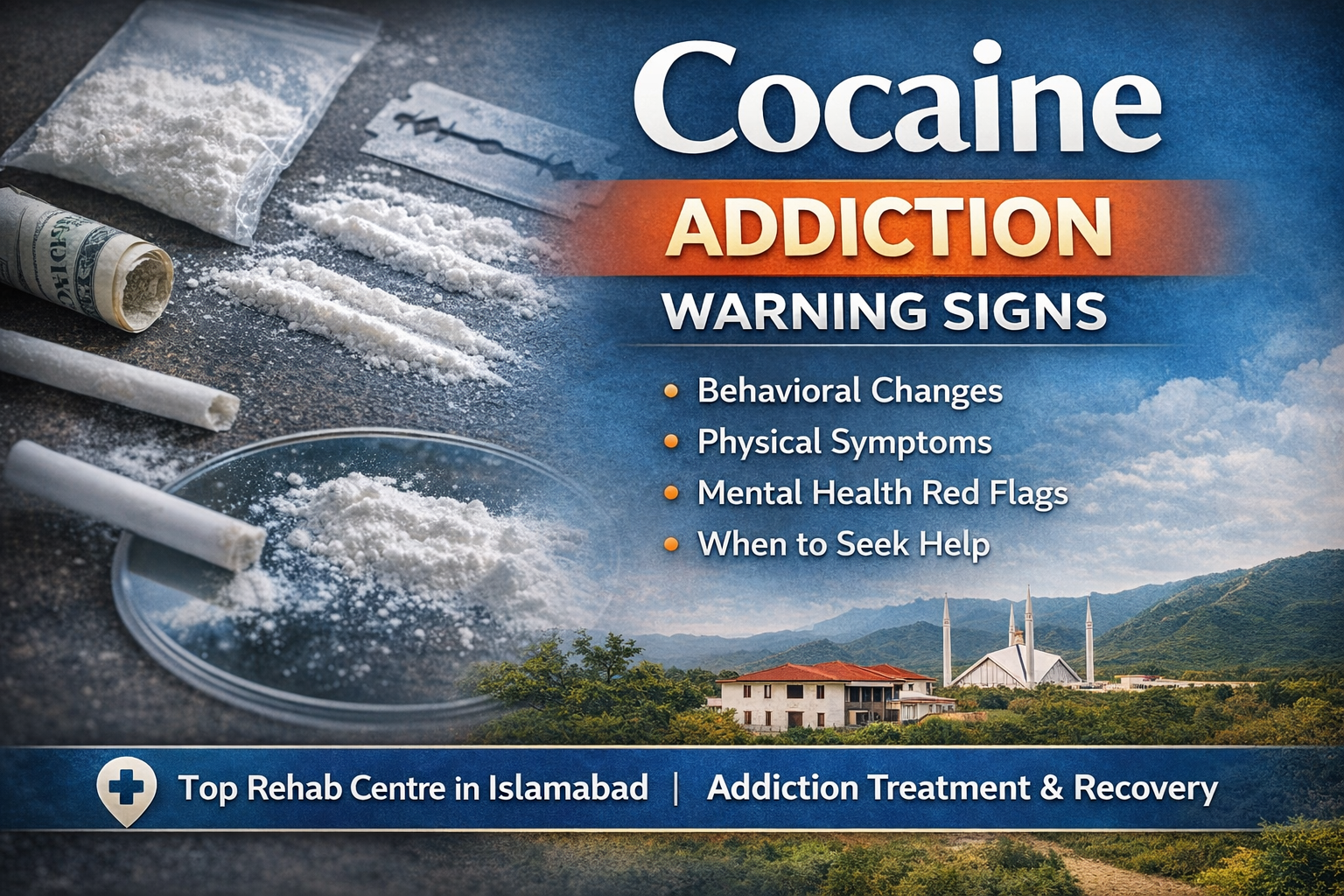
Early identification of substance use problems can make a significant difference in recovery outcomes. If you notice these signs in yourself or someone you care about, it may be time to seek help from a rehabilitation centre in Islamabad:
- Sudden changes in friend groups or social circles
- Declining performance at school or work
- Loss of interest in previously enjoyed activities
- Secretive behavior or lying about whereabouts
- Physical changes like bloodshot eyes, weight fluctuations, or neglected appearance
- Mood swings, irritability, or unexplained anxiety
- Financial difficulties or borrowing money frequently
- Possession of drug paraphernalia or unexplained items
These warning signs don’t automatically indicate addiction, but they warrant attention and open conversation.
The Risks of Peer-Influenced Substance Use
Engaging in substance use due to peer pressure carries multiple serious risks:
Health Consequences
Substance use can damage your physical and mental health. Alcohol harms the liver, heart, and brain. Drugs like methamphetamine, heroin, or cocaine can cause organ failure, cognitive impairment, and psychiatric disorders. Even marijuana, often perceived as harmless, can affect memory, motivation, and mental health, especially in younger users.
Addiction Development
What begins as occasional social use can quickly escalate into dependency. The brain’s reward system becomes hijacked by substances, making it increasingly difficult to quit without professional intervention from an addiction treatment centre.
Legal Problems
Possession, use, or distribution of illegal substances can result in criminal charges, jail time, fines, and a permanent record that affects future employment and educational opportunities.
Academic and Career Impact
Substance use interferes with concentration, memory, and judgment. Students may see declining grades, while professionals might experience job loss or damaged reputations.
Relationship Strain
Addiction damages trust and strains relationships with family, friends, and romantic partners. The behavioral changes associated with substance use often push away the people who care most.
Mental Health Deterioration
Substances can trigger or worsen mental health conditions including depression, anxiety, paranoia, and psychosis. Many people require treatment at a psychiatric treatment centre to address co-occurring disorders.
Effective Strategies for Resisting Peer Pressure
Learning to say “no” to peer pressure is a valuable life skill. Here are practical strategies to help you resist unhealthy influences:
Build Self-Confidence
Understanding your values and priorities makes it easier to stand firm in your decisions. Spend time reflecting on what matters most to you and why avoiding substance use aligns with your goals.
Practice Assertive Communication
You don’t need elaborate excuses. Simple, confident responses work best:
- “No thanks, I’m not interested.”
- “I don’t drink/use drugs.”
- “I have to drive tonight.”
- “I’m focusing on my health right now.”
Deliver your response calmly and change the subject or suggest an alternative activity.
Choose Your Friends Wisely
Surround yourself with people who respect your choices and share your values. True friends won’t pressure you to compromise your well-being.
Develop an Exit Strategy
If you find yourself in uncomfortable situations, have a plan. This might include calling a trusted friend, having a ride arranged, or knowing how to leave politely but firmly.
Focus on Long-Term Goals
When facing pressure, remind yourself of your aspirations. Whether it’s academic success, athletic achievement, career advancement, or maintaining good health, keep your eyes on what truly matters.
Seek Support Systems
Talk to trusted adults, counselors, or mentors about the pressures you face. They can provide perspective, encouragement, and practical advice.
When to Seek Professional Help
If peer pressure has already led to substance use problems, professional treatment can provide a path to recovery. Consider reaching out to a drug rehab centre or alcohol treatment centre if you or a loved one experiences:
- Inability to control or stop substance use
- Continued use despite negative consequences
- Withdrawal symptoms when not using
- Increased tolerance requiring more of the substance
- Neglecting responsibilities due to substance use
- Failed attempts to quit on your own
Treatment Options Available
Rehabilitation Centre in Rawalpindi and Islamabad areas offer comprehensive treatment programs tailored to individual needs:
Detoxification Services provide medically supervised withdrawal management to safely clear substances from your system.
Inpatient Rehabilitation offers structured, immersive treatment in a residential setting, removing you from triggering environments while you focus on recovery.
Outpatient Programs allow you to receive treatment while maintaining work, school, or family obligations.
Therapy and Counseling address the psychological aspects of addiction through individual, group, and family sessions. Cognitive-behavioral therapy (CBT) is particularly effective for changing thought patterns related to peer pressure and substance use.
Medication-Assisted Treatment combines FDA-approved medications with counseling for conditions like opioid or alcohol addiction.
Aftercare Planning helps maintain sobriety through ongoing support groups, therapy, and relapse prevention strategies.
Supporting Someone Facing Peer Pressure
If someone you care about is struggling with peer-influenced substance use, your support matters:
Express Concern Without Judgment: Use “I” statements to share your observations and feelings. Avoid accusatory language that might trigger defensiveness.
Listen Actively: Sometimes people just need to feel heard. Let them express their struggles without immediately jumping to solutions.
Educate Yourself: Understanding addiction as a medical condition rather than a moral failing helps you provide compassionate support.
Encourage Professional Help: Gently suggest visiting a rehabilitation centre near me or speaking with a counselor. Offer to help research options or accompany them to appointments.
Set Healthy Boundaries: While supporting someone is admirable, don’t enable destructive behavior. It’s okay to refuse to provide money, make excuses, or participate in substance use.
Take Care of Yourself: Supporting someone with addiction can be emotionally draining. Seek your own support through counseling or support groups for families.
Finding the Right Rehabilitation Centre
Choosing an appropriate treatment facility is crucial for successful recovery. When searching for a rehab centre in Islamabad, consider these factors:
- Accreditation and Licensing: Ensure the facility meets professional standards and employs qualified staff.
- Treatment Approaches: Look for evidence-based therapies and comprehensive programs addressing physical, psychological, and social aspects of addiction.
- Specialized Programs: Some centers offer age-specific or gender-specific programs, which can be beneficial.
- Dual Diagnosis Capability: If mental health issues coexist with addiction, choose a facility equipped to treat both simultaneously.
- Aftercare Support: Long-term recovery requires ongoing support. Quality centers provide robust aftercare planning.
- Family Involvement: Programs that include family education and therapy tend to have better outcomes.
- Location and Accessibility: Consider whether proximity to home or distance from triggering environments is more beneficial.
Conclusion: Taking Control of Your Choices
Peer pressure is a real and powerful force, but it doesn’t have to dictate your life. Understanding how social influences affect substance use decisions empowers you to make choices aligned with your values and goals. Remember that seeking help isn’t a sign of weakness it’s a courageous step toward a healthier future.
If you or someone you love is struggling with substance use influenced by peer pressure, professional support can make all the difference. The best rehab centre in Islamabad and surrounding areas offer compassionate, evidence-based treatment to help you reclaim your life.
Take action today. Reach out to a qualified addiction treatment centre to learn about your options. Recovery is possible, and you don’t have to face this journey alone.
Book a Consultation
It’s easy and free!