Many people who struggle with addiction also face mental health disorders like depression, anxiety, bipolar disorder, or PTSD. When both conditions exist together, it’s called dual diagnosis. Treating only one issue doesn’t work. Both need to be addressed at the same time for a lasting recovery. In Islamabad, more families are now recognizing the need …


Many people who struggle with addiction also face mental health disorders like depression, anxiety, bipolar disorder, or PTSD. When both conditions exist together, it’s called dual diagnosis. Treating only one issue doesn’t work. Both need to be addressed at the same time for a lasting recovery.
In Islamabad, more families are now recognizing the need for proper dual diagnosis treatment and looking for professional help that supports physical, emotional, and mental healing.
What Dual Diagnosis Means
Dual diagnosis is when a person has:
- A substance use disorder (such as heroin, ice, alcohol, or prescription drugs)
- And a mental health disorder at the same time
These conditions feed into each other. Addiction can make mental health worse, and mental health symptoms can push someone deeper into substance use. Without proper treatment, the cycle keeps repeating.
Why Dual Diagnosis Is Often Missed
Dual diagnosis is commonly overlooked because:
- Symptoms overlap and look similar
- Families may focus only on the addiction
- Mental health issues are still stigmatized in Pakistan
- Many treatment centers don’t have trained psychiatric support
A correct diagnosis is essential for safe and effective recovery.
Common Mental Health Disorders Linked with Addiction
People dealing with addiction often experience:
- Depression
- Anxiety disorders
- Bipolar disorder
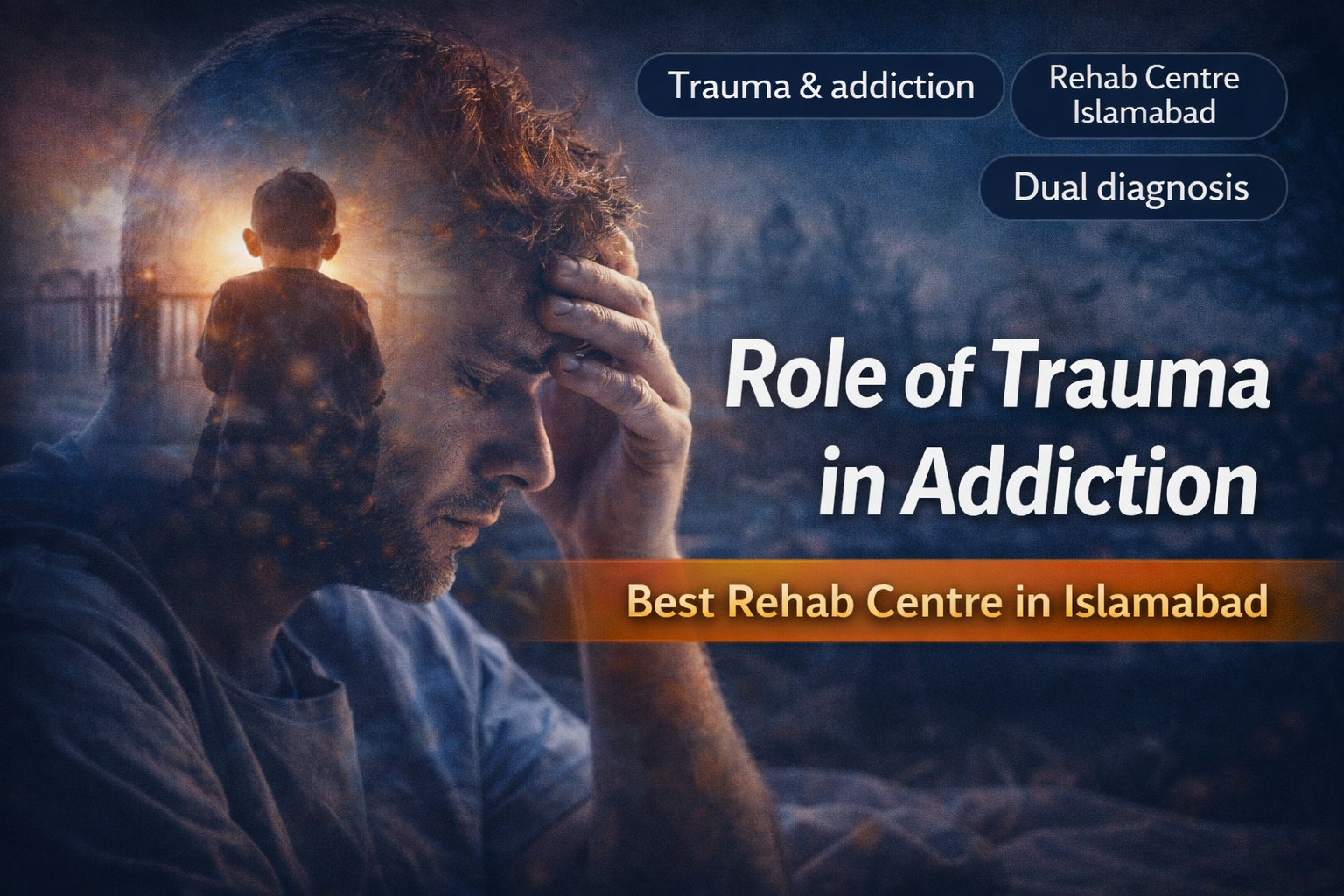
- PTSD or past trauma
- Personality disorders
- Severe stress and emotional instability
These conditions increase the risk of relapse if left untreated.
Signs Someone May Have a Dual Diagnosis
Families in Islamabad should watch for:
- Mood swings or emotional instability
- Withdrawal from friends and family
- Loss of interest in normal activities
- Using substances to “feel normal”
- Irritability, panic attacks, or deep sadness
- Sudden behavioral changes
- Difficulty coping with stress
If addiction treatment alone isn’t helping, dual diagnosis may be the actual issue.
How Dual Diagnosis Treatment Works in Islamabad
Effective treatment includes:
1. Professional Assessment
A detailed evaluation by psychiatrists and addiction specialists.
2. Medical Detox (If Needed)
Safe removal of substances under medical supervision.
3. Medication Management
Support for mental health symptoms like anxiety, depression, or mood imbalance.
4. Therapy and Counseling
Such as:
- Cognitive Behavioral Therapy (CBT)
- Trauma therapy
- Family therapy
- Relapse prevention
5. Long-Term Recovery Planning
Ongoing support to prevent relapse and help patients rebuild stability.
Why Specialized Treatment Matters
Dual diagnosis requires:
- Experienced mental health professionals
- Structured therapy programs
- A safe and supportive rehab environment
- Confidential and ethical care
Treating both conditions together gives the best chance of long-lasting recovery.
Choosing the Right Rehab in Islamabad
Look for a center that offers:
- Licensed psychiatrists
- Trained therapists
- Safe addiction detox
- Confidential family support
- Personalized treatment plans
- A calm and stable environment
Centers like HRCI in Islamabad offer dual diagnosis care built around professional, evidence-based treatment.
Conclusion
Dual diagnosis is complex, but recovery is possible. When addiction and mental health issues are treated together, people feel more stable, more in control, and more hopeful about rebuilding their lives. Families in Islamabad can help by recognizing the signs early and reaching out for professional support.
Book a Consultation
It’s easy and free!