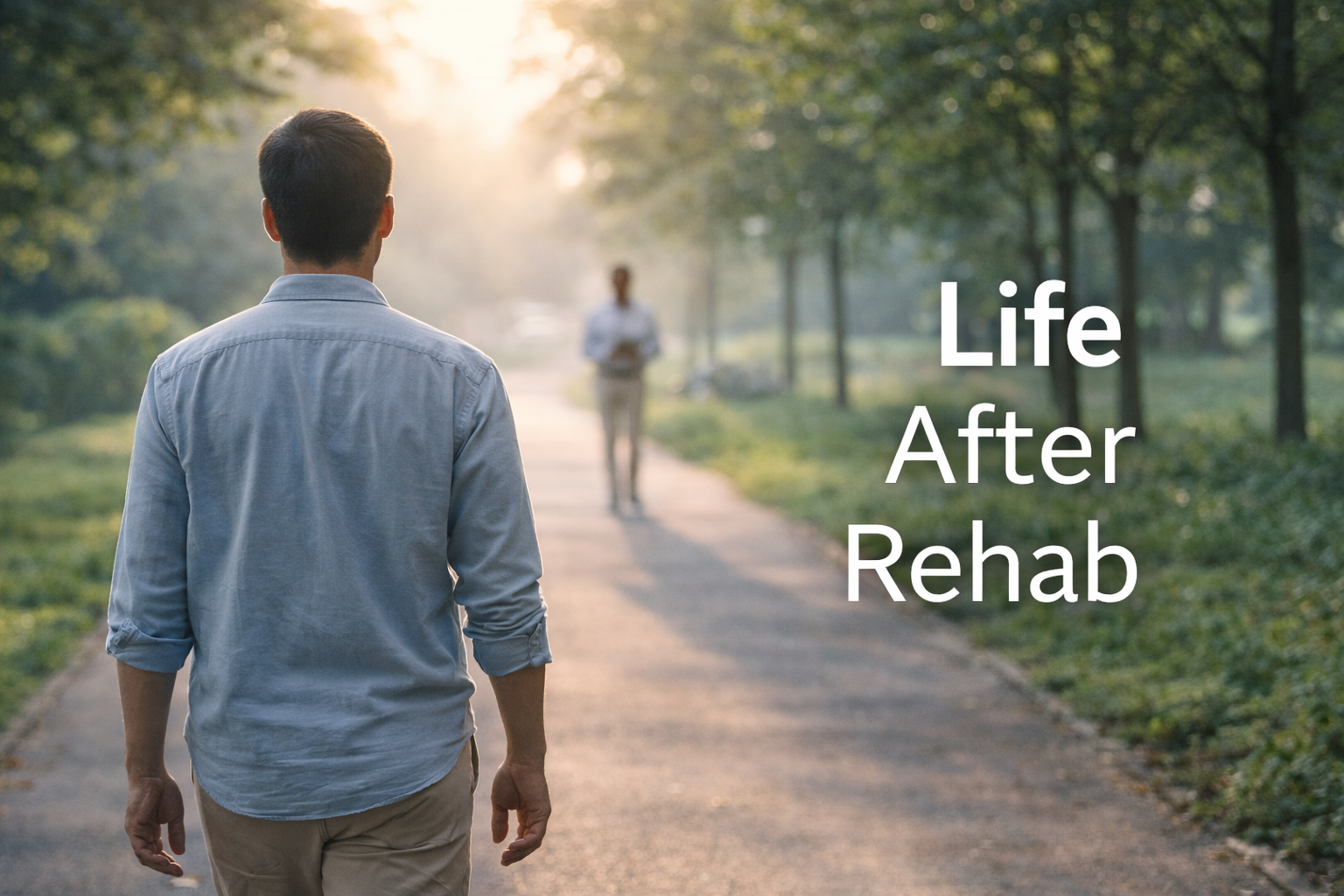
Recovery does not end when a rehabilitation program is completed. In fact, aftercare and relapse prevention are critical components of long-term recovery from addiction and mental health disorders. Without continued support, individuals remain vulnerable to triggers, stress, and old habits. Effective aftercare programs help individuals maintain progress, strengthen coping skills, and build a stable, substance-free …


Recovery does not end when a rehabilitation program is completed. In fact, aftercare and relapse prevention are critical components of long-term recovery from addiction and mental health disorders. Without continued support, individuals remain vulnerable to triggers, stress, and old habits.
Effective aftercare programs help individuals maintain progress, strengthen coping skills, and build a stable, substance-free life.
What Is Aftercare in Addiction Recovery?
Aftercare refers to the ongoing support and treatment provided after completing a primary rehabilitation program. Its purpose is to help individuals transition safely back into daily life while maintaining sobriety and mental well-being.
Aftercare may include:
-
Regular counseling sessions
-
Support group participation
-
Ongoing psychiatric evaluation
-
Medication management (if required)
-
Family involvement and education
Why Relapse Prevention Is Essential
Relapse is not a failure it is often a sign that additional support is needed. Many individuals relapse due to stress, emotional triggers, peer pressure, or lack of structure after rehab.
Relapse prevention focuses on:
-
Identifying personal triggers
-
Developing healthy coping mechanisms
-
Strengthening emotional resilience
-
Creating accountability and routine
Common Relapse Triggers
Understanding triggers is a key part of recovery planning.
Common triggers include:
-
Stress, anxiety, or depression
-
Social pressure or exposure to substances
-
Unstructured free time
-
Sleep disturbances
-
Digital and behavioral addictions
Professional aftercare programs address these triggers proactively.
Key Components of an Effective Aftercare Program
1. Ongoing Therapy & Counseling
Regular therapy helps individuals process emotions, manage cravings, and adjust to real-life challenges.
2. Structured Support Systems
Support groups and peer counseling provide encouragement, accountability, and shared understanding.
3. Mental Health Monitoring
Many individuals have co-occurring mental health conditions that require continued psychiatric care.
4. Lifestyle & Habit Management
Healthy routines including sleep, exercise, and digital boundaries support long-term stability.
5. Family Involvement
Family counseling improves communication, reduces conflict, and strengthens recovery environments.
Long-Term Recovery Strategies
Sustainable recovery requires consistent effort and professional guidance.
Proven strategies include:
-
Maintaining a structured daily routine
-
Avoiding high-risk environments
-
Practicing stress management techniques
-
Staying connected to treatment professionals
-
Seeking help early when challenges arise
Role of Professional Aftercare Support
Professional rehabilitation centres provide structured aftercare tailored to individual needs. Ongoing supervision ensures early identification of relapse risks and timely intervention.
At a trusted rehab centre, aftercare services are designed to:
-
Reinforce recovery skills
-
Provide emotional and psychological support
-
Reduce relapse risk
-
Support long-term independence
Life After Rehab: Moving Forward with Confidence
Recovery is a lifelong journey, not a one-time event. With proper aftercare and relapse prevention strategies, individuals can rebuild their lives with confidence, purpose, and stability.
Continued professional support transforms recovery from survival into sustainable well-being.
Final Thoughts
Aftercare and relapse prevention are not optional they are essential for long-term success. Individuals who remain engaged in structured aftercare programs are significantly more likely to maintain sobriety and emotional balance.
If you or a loved one is completing rehabilitation, prioritizing aftercare can make the difference between temporary progress and lasting recovery.
Recovery doesn’t stop after rehab aftercare makes it last.
Get professional, long-term recovery support from experienced specialists.
👉 Start your aftercare journey today:
🌐 https://hrci.pk/
Book a Consultation
It’s easy and free!