
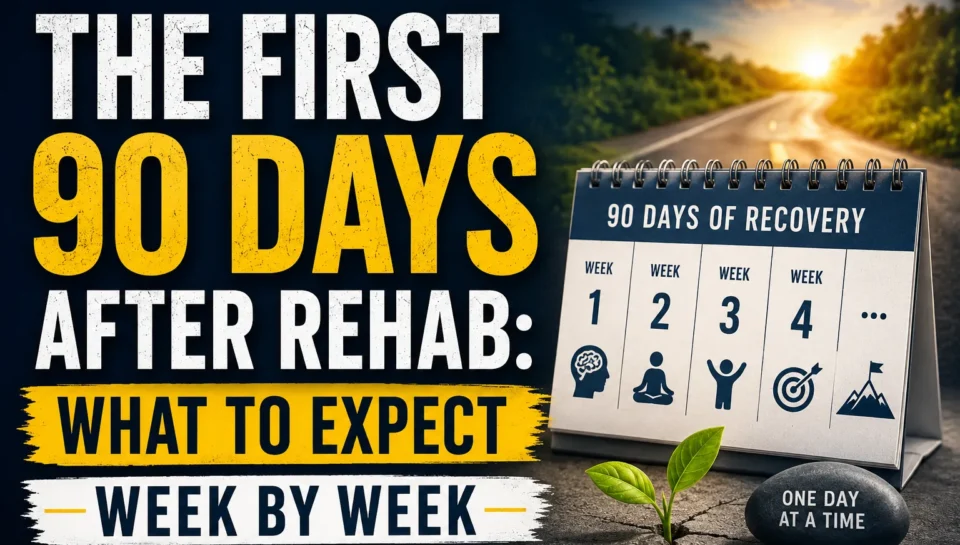
The First 90 Days After Leaving Rehab: What to Expect Week by Week
Leaving rehab is a major achievement, but recovery does not end when treatment finishes. The first 90 days after rehabilitation are often considered the most important period for building healthy habits, managing triggers, and preventing relapse. In this guide, you’ll learn what to expect week by week, how your mind and body continue to heal, and why ongoing support from the best rehab center in Islamabad or a trusted rehab center Islamabad can improve long-term success.
The transition back into everyday life can feel exciting, overwhelming, and sometimes frightening. Understanding the recovery journey helps individuals and families prepare for the challenges ahead and build a stronger foundation for lasting sobriety.
Why the First 90 Days Matter
Addiction specialists often refer to the first three months after treatment as the “critical recovery period.”
During this time:
- The brain continues healing.
- Cravings may still occur.
- New habits are being formed.
- Emotional regulation improves gradually.
- Relapse risks remain relatively high.
Research shows that individuals who remain actively involved in recovery programs during their first 90 days have significantly better long-term outcomes.
Professional support from an addiction treatment centre or rehabilitation center Islamabad can provide valuable guidance during this adjustment period.
Month One: Building Stability
Week 1: Adjusting to Freedom and Routine
The first week after leaving rehab often brings mixed emotions.
Many people experience:
- Excitement about returning home
- Anxiety about daily responsibilities
- Fear of relapse
- Increased self-awareness
- Physical fatigue
Daily structure remains extremely important.
Healthy habits include:
- Waking up at consistent times
- Eating nutritious meals
- Attending support meetings
- Staying connected with counselors
- Avoiding old environments associated with substance use
Families should understand that recovery is still in its early stages.
Patience and encouragement make a significant difference.
Week 2: Emotional Highs and Lows
During the second week, emotional changes become more noticeable.
The brain is still adjusting to functioning without drugs or alcohol.
People commonly experience:
- Mood swings
- Irritability
- Anxiety
- Improved clarity
- Occasional cravings
These feelings are normal and usually become easier to manage with time.
Many experts at the best rehab in Islamabad recommend continuing therapy sessions even after residential treatment ends.
Ongoing counseling helps individuals develop healthier coping mechanisms.
Week 3: Facing Real-World Triggers
Week three often introduces challenges that were absent during treatment.
Common triggers include:
- Stress at work
- Family conflicts
- Financial concerns
- Social gatherings
- Old friendships connected to substance use
Learning to identify triggers is one of the most important relapse-prevention skills.
Successful recovery involves avoiding unnecessary risks while building confidence gradually.
Week 4: Establishing New Habits
By the end of the first month, many people begin developing healthier routines.
Positive changes may include:
- Better sleep patterns
- Improved physical health
- Increased motivation
- Stronger family relationships
- More confidence in recovery
However, cravings can still appear unexpectedly.
This is why aftercare support remains essential.
Month Two: Strengthening Recovery
Week 5: Rebuilding Relationships
Addiction often damages trust within families and friendships.
Week five is frequently a time for rebuilding these connections.
Healthy approaches include:
- Honest communication
- Consistent behavior
- Respecting boundaries
- Participating in family counseling
Many rehabilitation centres in Rawalpindi and Islamabad offer family support programs to help loved ones heal together.
Recovery affects the entire family, not just the individual.
Week 6: Managing Stress Without Substances
Stress management becomes increasingly important during the second month.
Healthy coping strategies include:
- Exercise
- Prayer and spirituality
- Journaling
- Meditation
- Talking to trusted friends
- Professional counseling
Replacing old habits with positive alternatives reduces relapse risks.
A trusted psychiatric treatment centre may also provide additional support for individuals managing anxiety, depression, or trauma alongside addiction recovery.
Week 7: Recognizing Emotional Growth
Many individuals notice improvements in their emotional well-being during this stage.
Positive developments include:
- Better self-control
- Greater emotional awareness
- Increased confidence
- Improved decision-making
However, emotional healing is rarely linear.
Some difficult days are completely normal.
Recovery should be viewed as progress rather than perfection.
Week 8: Avoiding Overconfidence
One common challenge during the second month is becoming overly confident.
People may begin thinking:
- “I don’t need meetings anymore.”
- “I can handle old friends.”
- “One drink won’t matter.”
These thoughts can increase relapse risks.
The best rehab center in Islamabad often emphasizes humility, accountability, and continued support throughout the recovery process.
Long-term success requires ongoing commitment.
Month Three: Building a New Life
Week 9: Creating Long-Term Goals
Recovery involves much more than avoiding substances.
People begin focusing on:
- Career goals
- Education
- Family relationships
- Physical fitness
- Financial stability
Having meaningful goals strengthens motivation and provides direction.
Small achievements build confidence over time.
Week 10: Developing Healthy Social Circles
Supportive relationships play a crucial role in maintaining sobriety.
Healthy social environments include:
- Recovery groups
- Religious communities
- Sports activities
- Volunteer work
- Positive friendships
Avoiding toxic influences remains important.
Building a new social network reduces feelings of isolation.
Week 11: Strengthening Mental Health
Many individuals entering treatment also struggle with mental health challenges.
Common conditions include:
- Anxiety disorders
- Depression
- PTSD
- Chronic stress
Professional support from a psychiatric treatment centre helps address these underlying issues.
Treating mental health and addiction together improves recovery outcomes.
Organizations such as Hayat Rehab Clinic and Hayat Rehab Center understand the importance of integrated care that addresses both physical and emotional well-being.
Week 12: Celebrating 90 Days of Recovery
Reaching 90 days sober is a significant milestone.
People often experience:
- Greater self-confidence
- Improved health
- Better relationships
- Increased emotional stability
- Stronger coping skills
However, recovery remains a lifelong journey.
The habits developed during these first three months often influence long-term success.
Continued support from a trusted rehab center Islamabad or addiction treatment centre helps maintain progress beyond the initial recovery period.
Common Challenges During the First 90 Days
Every recovery journey is unique, but some challenges are common.
Cravings
Cravings may occur unexpectedly.
Strategies to manage them include:
- Calling a support person
- Going for a walk
- Practicing mindfulness
- Attending support meetings
- Distracting yourself with healthy activities
Cravings usually pass if they are not acted upon.
Loneliness
Many people distance themselves from old social circles during recovery.
Building new relationships takes time.
Healthy ways to connect include:
- Community programs
- Religious groups
- Volunteer work
- Recovery meetings
- Family activities
Social support is one of the strongest protective factors against relapse.
Emotional Ups and Downs
Emotional instability is common during early recovery.
The brain requires time to restore normal chemical balance after addiction.
Patience, therapy, and healthy routines support this healing process.
Practical Tips for Success After Rehab
Experts recommend several strategies for maintaining long-term recovery.
Follow a Daily Routine
Consistency provides structure and reduces uncertainty.
Daily routines should include:
- Regular sleep schedules
- Healthy meals
- Physical activity
- Therapy appointments
- Personal goals
Continue Therapy
Recovery does not end after leaving treatment.
Ongoing counseling helps individuals:
- Manage stress
- Address underlying issues
- Prevent relapse
- Build confidence
Prioritize Physical Health
Exercise, nutrition, and sleep all contribute to emotional well-being.
Simple activities such as walking or cycling can improve mood and reduce cravings.
Stay Connected to Support Systems
Strong support networks improve recovery outcomes.
This includes:
- Family members
- Friends
- Recovery groups
- Therapists
- Religious communities
No one should feel pressured to recover alone.
How Families Can Help
Family involvement remains essential during the first 90 days.
Helpful actions include:
- Encouraging open communication
- Celebrating progress
- Respecting boundaries
- Avoiding judgment
- Learning about addiction
Recovery becomes stronger when families heal together.
Conclusion
The first 90 days after leaving rehab represent one of the most important stages of recovery. Each week brings new challenges, emotional growth, and opportunities to build healthier habits. Whether someone receives support from the best rehab center in Islamabad, a trusted rehabilitation center Islamabad, or respected providers such as Hayat Rehab Clinic and Hayat Rehab Center, ongoing care significantly improves the chances of lasting sobriety.
Recovery is not about perfection it is about taking consistent steps toward a healthier and more meaningful life.
Key Takeaways
- The first 90 days after rehab are critical for long-term recovery.
- Emotional ups and downs are normal during early sobriety.
- Building healthy routines reduces relapse risks.
- Continued therapy provides essential support.
- Family involvement strengthens recovery outcomes.
- Mental health treatment should continue when necessary.
- Long-term success depends on ongoing commitment and support.