Injectable Drug Addiction Treatment in Islamabad: Why Willpower Alone Isn’t Enough
“Just quit.”
For many families dealing with addiction, these two words seem like the obvious solution. They believe that if their loved one truly wanted to stop using drugs, they would simply make the decision and move on.
Unfortunately, injectable drug addiction does not work that way.
Injectable drug use is one of the most severe forms of substance addiction because the drug enters the bloodstream directly, producing an immediate and powerful effect on the brain. This rapid delivery system creates intense physical dependence, severe withdrawal symptoms, and a significantly higher risk of life-threatening health complications.
Across Pakistan, healthcare professionals are witnessing a growing number of individuals struggling with injectable opioid addiction, heroin dependency, and other forms of intravenous drug use. Many of these individuals face not only addiction but also serious medical conditions such as HIV, hepatitis C, bacterial infections, collapsed veins, and mental health disorders.
Families often attempt to manage the situation at home through persuasion, monitoring, or strict rules. While these efforts come from a place of concern, addiction involving injectable drugs typically requires specialized medical treatment and professional rehabilitation services.
A qualified rehab centre in Islamabad or Rawalpindi provides comprehensive care that addresses both the physical and psychological aspects of addiction. Through medical detoxification, psychiatric support, counselling, relapse prevention, and long-term recovery planning, individuals are given the best possible chance of rebuilding their lives.
In this guide, we will explore why injectable drug addiction is medically different from other forms of substance abuse, the hidden health risks associated with injection drug use, and how a professional addiction treatment centre can help individuals achieve lasting recovery.
Understanding Injectable Drug Addiction
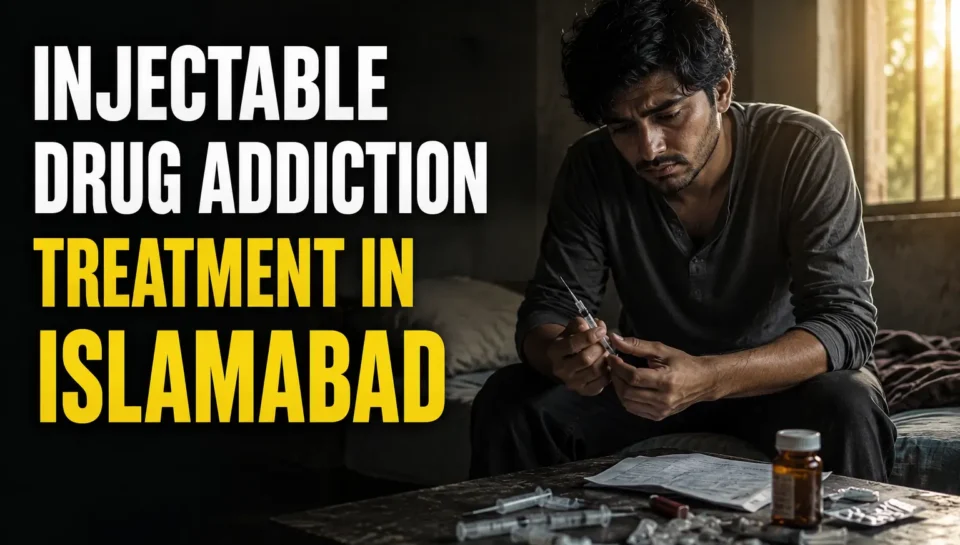
Injectable drug addiction occurs when a person repeatedly administers substances directly into their bloodstream using needles or syringes. Common substances injected include heroin, prescription opioids, synthetic opioids, stimulants, and other illicit drugs.
Unlike drugs that are swallowed, smoked, or snorted, injected substances bypass many of the body’s natural filtering processes and reach the brain within seconds. This creates an intense rush of euphoria that reinforces drug-seeking behaviour and accelerates dependency.
Over time, the brain adapts to these repeated chemical surges. Natural reward pathways become altered, making it increasingly difficult for individuals to experience pleasure, motivation, or emotional stability without the drug.
As tolerance develops, larger doses are often required to achieve the same effect. This increases the risk of overdose, severe health complications, and long-term addiction.
Why Willpower Alone Fails With Injectable Drug Addiction
One of the biggest misconceptions about addiction is that recovery is simply a matter of determination.
While motivation is an important part of recovery, injectable drug addiction causes physical and neurological changes that cannot be overcome through willpower alone.
Brain Chemistry Changes
Repeated drug use affects dopamine production and the brain’s reward system. Over time, the brain becomes dependent on the drug to regulate mood, motivation, and emotional balance.
This means that even when a person genuinely wants to quit, their brain continues to send powerful signals demanding the substance.
Severe Physical Withdrawal
Withdrawal from injectable opioids can be extremely painful and distressing.
Common symptoms include:
- Severe muscle aches
- Vomiting and nausea
- Diarrhoea
- Excessive sweating
- Chills and fever-like symptoms
- Anxiety and panic attacks
- Intense cravings
- Sleep disturbances
Many individuals return to drug use not because they lack determination, but because they are attempting to escape the overwhelming physical discomfort of withdrawal.
Psychological Dependence
Addiction often becomes closely linked to emotions, stress, trauma, and daily routines.
People may use drugs to cope with:
- Depression
- Anxiety
- Post-traumatic stress
- Chronic pain
- Family conflict
- Financial stress
- Social isolation
Without professional intervention, these underlying issues frequently continue driving substance use even after detoxification.
The Growing Problem of Injectable Drug Use in Pakistan
Injectable drug use has become a significant public health concern throughout Pakistan.
Urban centres such as Islamabad, Rawalpindi, Lahore, Karachi, and Peshawar have reported increasing numbers of people who inject drugs. Healthcare professionals are particularly concerned about the spread of infectious diseases associated with needle sharing and unsafe injection practices.
Unfortunately, many individuals avoid seeking treatment due to stigma, fear, or lack of awareness regarding available rehabilitation services.
This delay often allows addiction to progress further, increasing both health risks and treatment complexity.
Hidden Health Risks Associated With Injection Drug Use
Many families focus solely on the addiction itself while overlooking the serious medical dangers associated with injecting drugs.
These health risks can become life-threatening even before addiction reaches its most severe stages.
HIV Infection
Sharing contaminated needles remains one of the most common methods of HIV transmission among people who inject drugs.
Once infected, individuals may require lifelong treatment and medical monitoring.
Early screening is essential, particularly for individuals with a history of needle sharing.
Hepatitis B and Hepatitis C
Hepatitis infections affect the liver and may lead to:
- Liver failure
- Cirrhosis
- Chronic liver disease
- Liver cancer
Because symptoms often remain hidden for years, many individuals do not realize they are infected until serious damage has already occurred.
Skin and Soft Tissue Infections
Repeated injections can cause:
- Abscesses
- Cellulitis
- Chronic wounds
- Severe bacterial infections
Without treatment, these infections can spread throughout the body and become medical emergencies.
Collapsed Veins
Frequent injections damage blood vessels over time, resulting in collapsed veins and circulation problems.
This can make future medical treatment more difficult and increase the risk of complications.
Overdose Risk
Injectable drug use carries one of the highest overdose risks among all forms of substance abuse because the entire dose enters the bloodstream immediately.
Even small variations in drug purity or dosage can become fatal.
What Makes Injectable Drug Addiction Different From Other Addictions?
Not all substance use disorders require the same treatment approach.
Injectable drug addiction presents unique challenges that often require a specialized rehabilitation centre in Islamabad with experience managing opioid dependency and injection-related complications.
Faster Dependency Development
Injected drugs produce stronger and faster effects than oral or inhaled substances.
As a result, dependency can develop much more quickly.
Increased Medical Complications
People who inject drugs frequently require treatment for infections, liver disease, vein damage, and other health issues alongside addiction recovery.
Greater Relapse Risk
Individuals struggling with injectable drug addiction often face severe cravings and deeply ingrained behavioural patterns that require long-term support and relapse prevention planning.
Higher Mortality Risk
The combination of overdose, infectious diseases, and untreated health complications makes injectable drug addiction one of the most dangerous forms of substance use disorder.
How a Rehab Centre in Islamabad Treats Injectable Drug Addiction
Successful recovery requires a structured and evidence-based approach.
Professional addiction treatment centres focus on treating the whole person rather than simply stopping drug use.
Comprehensive Medical Assessment
Treatment begins with a detailed evaluation that includes:
- Physical health assessment
- Psychiatric screening
- Addiction history review
- HIV and hepatitis testing
- Risk assessment
This helps clinicians develop a personalized treatment plan.
Medically Supervised Detox
Detoxification allows the body to safely eliminate substances while managing withdrawal symptoms under professional supervision.
Medical monitoring improves comfort, reduces complications, and increases the likelihood of successful treatment completion.
Psychological Therapy
Evidence-based therapies help individuals understand:
- Addiction triggers
- Emotional coping strategies
- Stress management techniques
- Healthy decision-making skills
Therapy is often delivered through both individual and group sessions.
Dual Diagnosis Treatment
Many individuals struggling with addiction also experience:
- Depression
- Anxiety disorders
- PTSD
- Personality disorders
Treating both addiction and mental health conditions simultaneously significantly improves recovery outcomes.
Family Involvement
Family education and counselling help create a supportive recovery environment and strengthen long-term treatment success.
Long-Term Recovery and Relapse Prevention
Recovery does not end after detox.
Effective rehabilitation programmes include:
- Ongoing counselling
- Relapse prevention planning
- Support groups
- Psychiatric follow-up
- Family support services
- Lifestyle development programmes
Long-term recovery requires continuous effort, support, and professional guidance.
Final Thoughts
Injectable drug addiction is far more than a matter of willpower. It is a complex medical condition involving brain chemistry changes, severe physical dependence, and significant health risks.
Without professional treatment, individuals face increased risks of overdose, HIV, hepatitis, infections, and long-term health complications.
The good news is that recovery is possible.
A specialized rehab centre in Islamabad or Rawalpindi can provide medical detox, psychiatric support, addiction counselling, and long-term relapse prevention services designed specifically for individuals struggling with injectable drug use.
If someone you love is injecting drugs, don’t wait for a crisis. Early intervention can save lives, improve treatment outcomes, and provide a path toward lasting recovery.