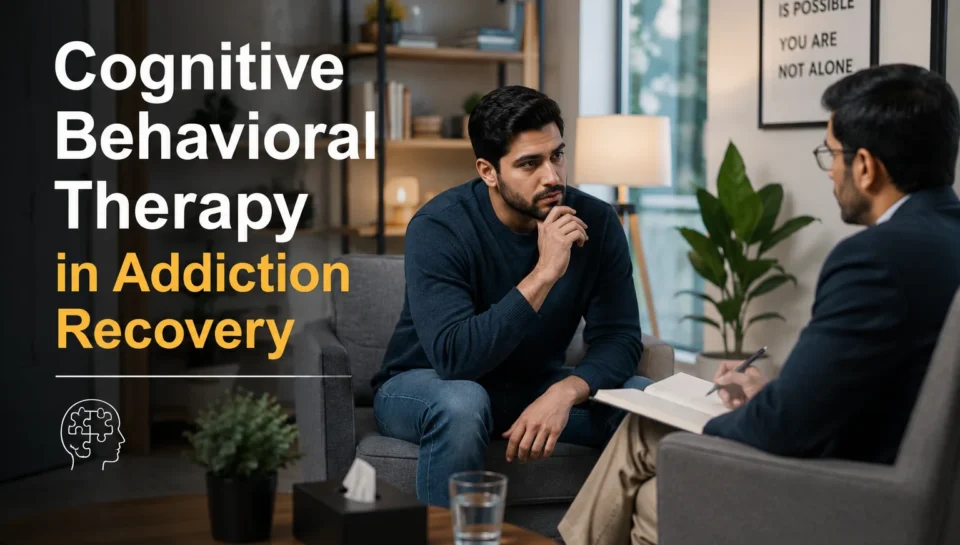
Addiction changes how a person thinks, feels, and behaves. True recovery requires more than overcoming physical dependence. It also involves changing harmful thought patterns and behaviors. That is where Cognitive Behavioral Therapy (CBT) plays a critical role.
Today, every leading Best rehab centre in Islamabad integrates CBT into its treatment programs because it delivers practical, measurable, and long-term results. Whether you are exploring a Rehabilitation centre in Islamabad or a Rehabilitation centre in Rawalpindi, understanding how CBT works can help you make an informed decision.
What Is Cognitive Behavioral Therapy (CBT)?
Cognitive Behavioral Therapy is a structured, evidence-based form of psychotherapy that helps individuals identify negative thought patterns and replace them with healthier, more realistic thinking.
In Addiction Recovery, CBT Focuses On:
- Recognizing triggers
- Managing cravings
- Changing self-destructive beliefs
- Building coping skills
- Preventing relapse
A reputable Addiction treatment centre uses CBT because it addresses the psychological causes of substance use, not just the physical symptoms.
For example, individuals struggling with addiction may believe:
- “I can’t handle stress without alcohol.”
- “I always fail, so why try?”
- “One drink won’t hurt.”
CBT teaches patients how to challenge these beliefs and replace them with healthier alternatives.
Why CBT Is Essential at a Rehab Centre in Islamabad
Modern addiction treatment goes beyond detoxification. A professional Rehab centre in Islamabad understands that lasting recovery depends on changing unhealthy behavior patterns.
1. CBT Helps Identify Triggers
Triggers may include:
- Stress
- Social pressure
- Loneliness
- Trauma
- Certain environments or relationships
CBT helps individuals recognize these patterns before they lead to substance use.
2. CBT Builds Practical Coping Skills
Instead of turning to drugs or alcohol, patients learn healthier ways to manage emotions and stress.
Common Coping Strategies Include:
- Deep breathing exercises
- Problem-solving skills
- Emotional regulation techniques
- Assertive communication
These skills strengthen emotional resilience during recovery.
3. CBT Reduces the Risk of Relapse
Research consistently shows that CBT helps reduce relapse rates. This is why nearly every high-quality Drug rehab centre and Alcohol treatment centre incorporates CBT into treatment plans.
Patients learn how to:
- Recognize warning signs
- Manage cravings
- Handle difficult emotions
- Respond to high-risk situations effectively
4. CBT Treats Co-Occurring Mental Health Disorders
Many people struggling with addiction also experience:
- Anxiety
- Depression
- Trauma-related disorders
A licensed Psychiatric treatment centre often combines CBT with psychiatric care to treat both addiction and mental health conditions simultaneously.
How CBT Works Inside a Rehabilitation Centre
If you are searching for a “Rehabilitation centre near me,” you will likely find centres offering CBT as part of inpatient and outpatient treatment programs.
Assessment Phase
Therapists begin by evaluating:
- Substance use history
- Mental health condition
- Triggers and high-risk situations
- Personal recovery goals
This assessment helps create an individualized treatment plan.
Individual CBT Sessions
During one-on-one therapy sessions, patients learn to:
- Identify harmful thought patterns
- Challenge distorted thinking
- Develop healthier emotional responses
These sessions are structured and goal-oriented.
Group CBT Therapy
Group sessions provide:
- Peer support
- Shared learning experiences
- Accountability
- Improved communication skills
Patients often benefit from hearing how others manage similar challenges.
Homework Assignments
CBT commonly includes exercises between therapy sessions. These assignments help patients practice coping skills in real-life situations.
A structured Rehab centre Islamabad ensures therapy remains measurable and progress-focused.
CBT for Different Types of Addiction
CBT is highly adaptable and effective for multiple forms of addiction.
CBT at a Drug Rehab Centre
CBT helps patients:
- Recognize cravings
- Avoid high-risk environments
- Build healthier daily routines
- Repair damaged relationships
CBT at an Alcohol Treatment Centre
Therapists focus on:
- Managing social pressure
- Identifying emotional triggers
- Reducing stress
- Developing relapse prevention strategies
CBT at a Psychiatric Treatment Centre
When addiction exists alongside mental health disorders, CBT helps individuals:
- Manage depressive thoughts
- Reduce anxiety symptoms
- Address trauma-related beliefs
- Improve emotional resilience
Benefits of Choosing a Rehab Centre That Prioritizes CBT
If you are comparing rehabilitation facilities in Islamabad or Rawalpindi, choosing a centre that emphasizes CBT can provide long-term advantages.
Key Benefits Include:
- Evidence-based treatment methods
- Personalized therapy plans
- Licensed mental health professionals
- Integrated psychiatric care
- Strong aftercare and relapse prevention support
The Best rehab centre in Islamabad will clearly explain how CBT fits into your recovery journey.
What to Look for in a Rehabilitation Centre in Islamabad
Not all rehabilitation centres provide the same quality of care. Before choosing a facility, ask the following questions:
- Is CBT provided by licensed psychologists or therapists?
- Does the centre treat co-occurring mental health disorders?
- Are therapy sessions structured and measurable?
- Is family counseling available?
- What aftercare support is offered?
Some individuals prefer a Rehabilitation centre in Rawalpindi for privacy or convenience, while others search online for a “Rehabilitation centre near me” to find accessible treatment options.
Accessibility, therapeutic quality, and medical supervision should always guide your decision.
Frequently Asked Questions (FAQs)
1. How long does CBT last in addiction recovery?
CBT programs typically last between 8–16 weeks during structured treatment, although many centres continue therapy through aftercare services.
2. Is CBT effective for severe addiction?
Yes. CBT is effective for both mild and severe addiction, especially when combined with medical detoxification and psychiatric support.
3. Can CBT prevent relapse?
CBT significantly lowers relapse risk by teaching coping strategies, trigger management, and structured problem-solving techniques.
4. Do all rehab centres in Islamabad offer CBT?
Most reputable rehabilitation centres offer CBT, but it is important to confirm that licensed professionals conduct the therapy sessions.
5. Is CBT available in outpatient treatment programs?
Yes. Many rehabilitation centres provide CBT in both inpatient and outpatient settings depending on the patient’s needs.
Recovery Is Possible with the Right Support
Addiction does not define your future. With structured therapy, medical care, and professional guidance, long-term recovery is possible.
Cognitive Behavioral Therapy remains one of the most effective treatment methods offered at any reputable Rehab centre in Islamabad or Rehabilitation centre in Rawalpindi. It equips individuals with practical skills that support lifelong recovery.
If you or a loved one is struggling with substance use, professional help is available.